Dylann Roof remains trapped in an agonizing limbo inside the United States Penitentiary in Terre Haute, Indiana, enduring conditions experts say may be psychologically worse than death. With no execution date set and severe isolation inflicting irreversible mental damage, Roof’s confined nightmare raises critical questions about justice and human dignity.
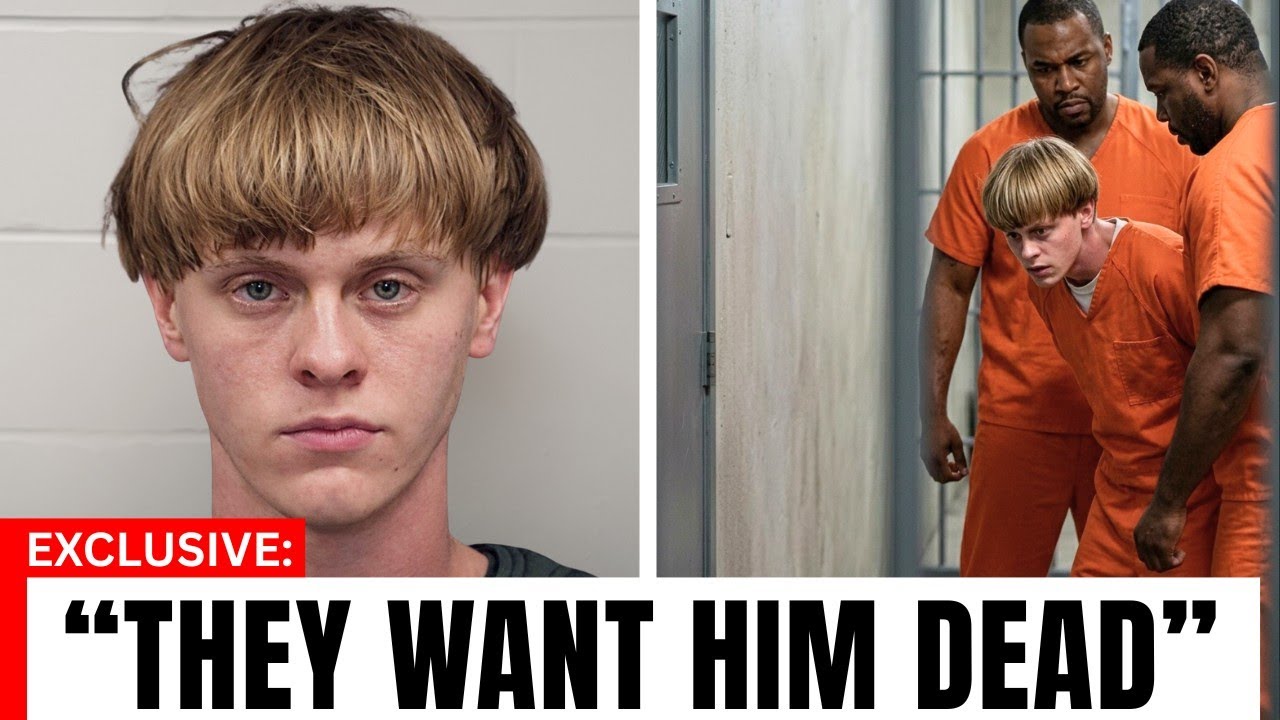 On June 17, 2015, Dylann Roof shattered peace at Emanuel African Methodist Episcopal Church by murdering nine innocent worshippers in a racially motivated massacre. Sentenced to death in January 2017, Roof showed no remorse and chose to self-represent, refusing mental health defenses to preserve his racist ideology. His cold calculation cemented his fate, yet nearly a decade later, that sentence remains uncarried out.
Unlike typical death row inmates, Roof lives inside the federal Special Confinement Unit, the nation’s most isolated prison segment where executions occur. Described as quiet and claustrophobic, each cell is a windowless, sound-filled prison chamber devoid of human interaction beyond tightly controlled, infrequent visits and minimal phone contact.
December 2023 marked a grim turning point. Roof and other federal death row inmates were relegated to enhanced restrictions, intensifying isolation. The impact was immediate and severe: a fellow inmate succumbed to psychological collapse and suicide, highlighting the brutal mental toll inflicted by indefinite solitary confinement.
Scientific research underscores the horror. Prolonged isolation causes cognitive decline akin to traumatic brain injury. Neuroscientists confirm that deprivation of social contact physically deteriorates brain structure. This phenomenon of the “death row effect” is internationally recognized as a form of suffering beyond traditional imprisonment.

Yet despite pleas and legal challenges, Roof’s death sentence endures without resolution. In 2024, President Biden commuted 37 federal death sentences—but explicitly excluded Roof, citing the terror and hate crime nature of his acts. Roof’s attorneys’ appeals have been rejected, keeping him stranded in this psychological no-man’s-land.
Victims’ families grapple with agonizing complexities. Many affirm that Roof’s death remains the only proportional justice, citing his complete lack of remorse. Others oppose capital punishment, pointing to the endless legal proceedings inflicting ongoing trauma and questioning whether indefinite death row torment offers any closure at all.
Legal experts and human rights advocates argue this extended isolation may violate constitutional protections against cruel and unusual punishment. Federal lawsuits highlight systematic denial of adequate mental health care, sleep deprivation, and sensory deprivation within these cells. This legal battle exposes a dark, little-known reality behind the façade of justice.

Amid this bleak environment, a rare act of grace shines. Families of Roof’s victims extended forgiveness in court, holding fast to their humanity despite unbearable loss. Their words contrast starkly with Roof’s unrepentant silence, underscoring that justice encompasses more than punishment—it demands dignity, even amidst horror.
Roof’s continuing confinement raises urgent ethical dilemmas. Is death by lethal injection truly harsher than a life trapped in solitary uncertainty? Neuroscience and survivor testimony challenge assumptions, suggesting the unbearable psychological erosion of endless waiting may eclipse death itself in cruelty.
The question reverberates beyond one man. It calls into scrutiny the entire capital punishment system, justice’s capacity to heal, and society’s moral compass. As Roof languishes in that cell, his fate remains a haunting symbol of punishment’s complex, often brutal realities.

For now, Dylann Roof remains imprisoned not only by concrete walls but by a merciless psychological sentence. Whether justice is served or twisted in this slow decay is a debate that demands urgent public attention and thorough examination.
In the shadow of this tragedy, the nine whose lives were taken continue to demand remembrance for who they were—vibrant, beloved community members—not merely through the violent legacy of their murderer.
The brutal truth at the heart of death row: waiting, isolation, hopelessness—potentially worse than death itself. With lives hanging in balance, society must confront these unbearable realities and ask itself what justice truly means.
As the nation watches, the clock ticks on in Dylann Roof’s silent nightmare—a prisoner ensnared in a sentence no execution date can end. Justice, mercy, and humanity hang precariously in the balance. The conversation on capital punishment and prison conditions has never been more urgent.