Sarah Jo Pender, sentenced to 110 years for a crime she may not have committed, faces a grueling life in an Indiana prison. With evidence against her now deemed forged and a prosecutor admitting he was wrong, Pender’s plight reveals a harrowing reality: a life sentence can be more brutal than death itself.
 Pender’s tragic story began in 2002 when she was convicted of two murders based on questionable evidence. The prosecution painted her as a manipulative figure, likening her to Charles Manson. Yet, the key evidence—a confession letter—was forged, and her boyfriend later confessed to acting alone.
The letter, claiming Pender’s guilt, was written by a fellow inmate, casting doubt on the entire case. The jailhouse informant who testified against her had a history of unreliable claims, further undermining the prosecution’s narrative. Yet, despite these revelations, Pender remains incarcerated, her life defined by a lengthy sentence for crimes she may not have committed.
In a desperate bid for freedom, Pender attempted to escape in 2008, an act that led to severe repercussions. After four months of living under a new identity in Chicago, she was captured and returned to prison, where she endured an astonishing 1,870 days in solitary confinement. The psychological toll of such isolation proved devastating, plunging her into a nightmare of despair and mental anguish.
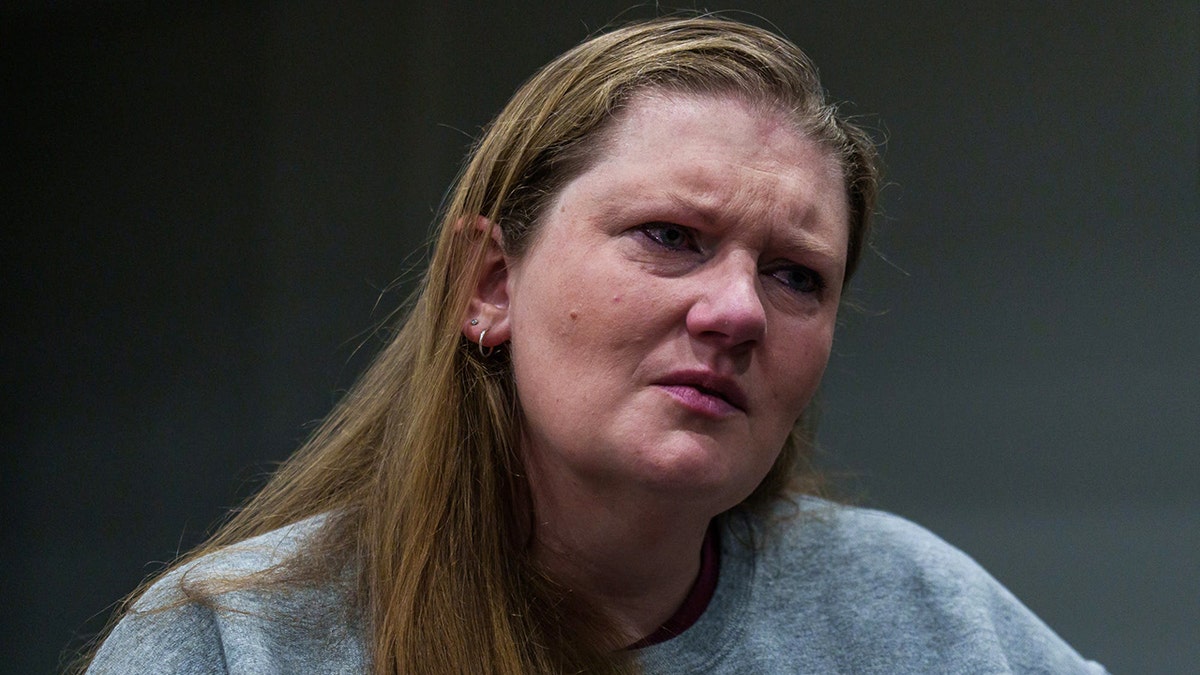
Pender’s isolation was not merely a punitive measure; it was a form of psychological torture. In her small cell, she battled hallucinations, paranoia, and profound loneliness. With no meaningful human contact, her sense of time disintegrated, and her mental health deteriorated. The conditions of her confinement violated basic standards of humane treatment, leaving scars that would never fully heal.
In 2014, after years of suffering, Pender finally returned to general population. Remarkably, she began to rebuild her life, completing a culinary arts program and aiding fellow inmates with legal issues. Yet, the shadow of her wrongful conviction loomed large, and hope for her freedom remained elusive.
As time passed, the prosecutor who initially condemned her, Larry Cells, began to doubt the integrity of the case. His revelations about the unreliable informant and the forged confession letter ignited a glimmer of hope for Pender’s release. In 2023, Georgetown University’s Making an Exonery program took on her case, digging deeper into the evidence and advocating for her freedom.
Despite overwhelming support for her release, including from Cells, a judge denied her petition in early 2026 without explanation. Pender’s sentence remains unchanged, with the possibility of parole still decades away, leaving her to endure the crushing weight of a life sentence for a crime she may not have committed.
Sarah Pender’s story is a chilling reminder of the flaws in the justice system. Her life, marked by isolation and despair, reflects a reality that many may not consider: a wrongful conviction can lead to a punishment far worse than death. As she continues to serve her time, Pender’s plight underscores the urgent need for reform and accountability within the criminal justice system.