In a dramatic conclusion to a lengthy saga, Benjamin Ritchie was executed early this morning at Indiana State Prison. After spending over two decades on death row for the murder of Officer William Ronald Tony, Ritchie faced the lethal injection at 12:01 a.m., pronounced dead just 45 minutes later.
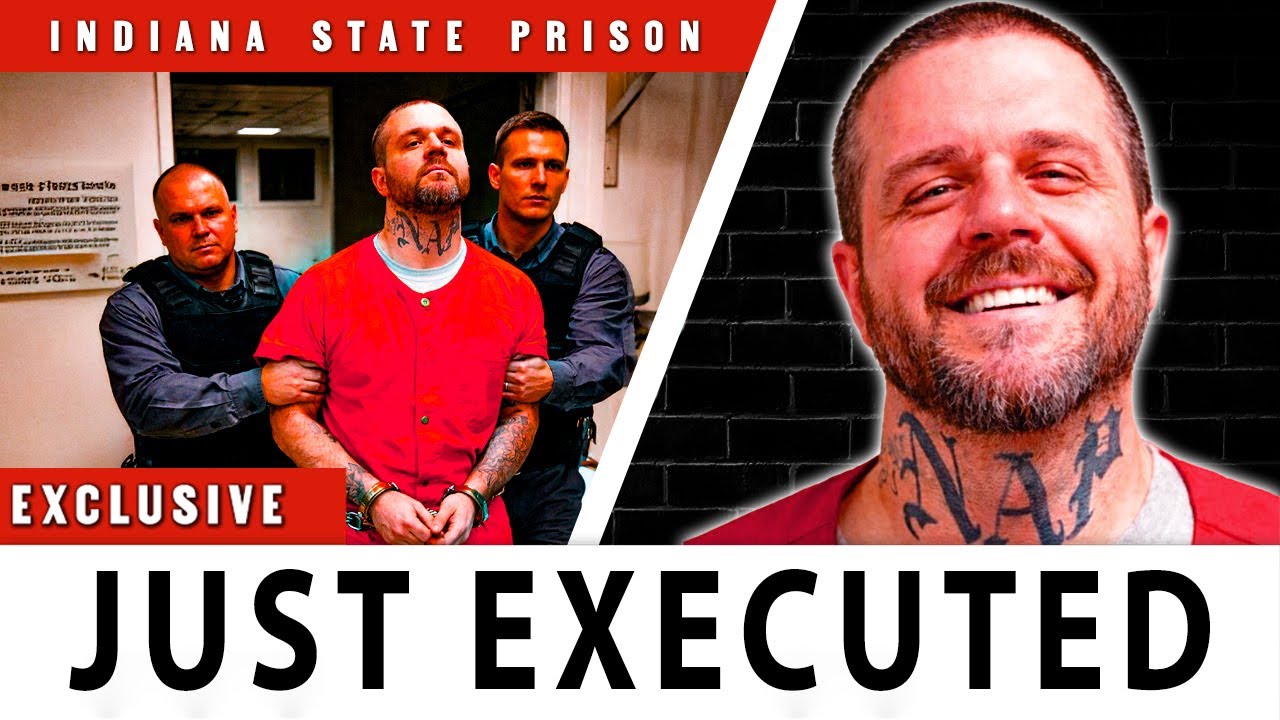 The execution marks the end of a case that began on September 29, 2000, when Ritchie, then 20, stole a van and fatally shot Officer Tony during a police chase. The incident, which unfolded in mere seconds, left the officer dead and sparked public outrage that fueled Ritchie’s swift trial and subsequent death sentence.
Witnesses described a harrowing scene as Ritchie was administered the lethal injection. Reports indicated violent jerks and convulsions, raising questions about the execution process itself. Experts have criticized the quality of the drugs used, suggesting they may have caused undue suffering.
Ritchie’s final meal included a tour of Italy from Olive Garden, featuring fettuccine Alfredo, lasagna, and chicken parmesan. In his last words, he expressed love for his family and friends, hoping they would find peace. Those sentiments, however, are overshadowed by the pain left behind for Officer Tony’s loved ones.
The execution has reignited debates about the death penalty in Indiana, particularly its application in Ritchie’s case. Over the years, 29 Indiana police officers have been killed in the line of duty, yet none of their killers received the death penalty, raising questions of fairness and consistency in sentencing.

Ritchie’s journey from a troubled childhood to death row is a complex narrative filled with tragedy. Abandoned as a child and diagnosed with mental health issues, he struggled throughout his life. The circumstances surrounding his crime and subsequent punishment have led many to question whether justice was truly served.
As the state grapples with the implications of this execution, discussions about the future of the death penalty are likely to intensify. With calls for transparency in the execution process and the need for a more equitable justice system, Ritchie’s case serves as a stark reminder of the consequences of crime and punishment.
The aftermath of this execution will undoubtedly echo through Indiana’s legal landscape, prompting lawmakers to reconsider the methods and ethics surrounding capital punishment. As the dust settles, the complex interplay of justice, morality, and human rights remains at the forefront of public discourse.
In the end, Benjamin Ritchie’s execution is not merely a conclusion to one man’s life but a reflection of a flawed system grappling with its own moral dilemmas. The questions raised by his case will linger, urging society to confront the difficult truths hidden within the shadows of justice.