In a haunting conclusion to a decades-long saga, Benjamin Donnie Richie was executed at Indiana State Prison early this morning. After 24 years on death row for the murder of Officer William Ronald Tony, Richie’s final moments raised urgent questions about the death penalty’s fairness and the execution process itself.
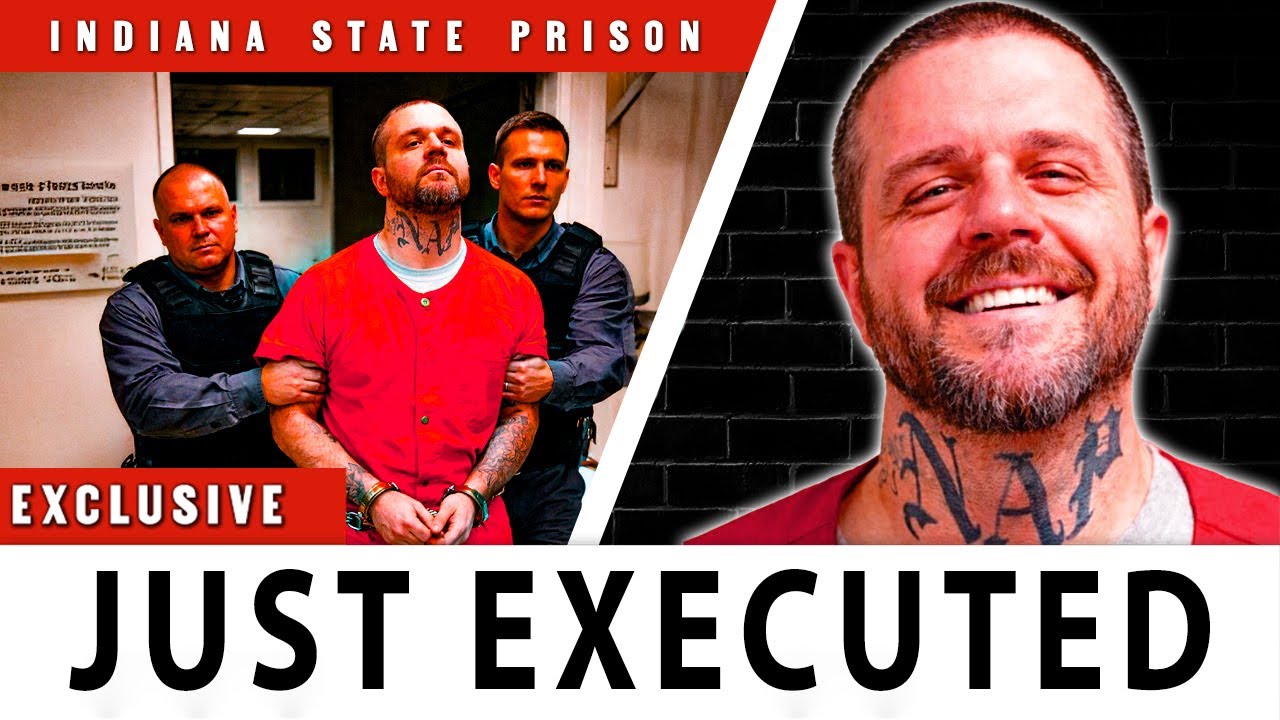 Richie’s execution began at 12:01 a.m. on May 20, 2025, with a lethal injection that reportedly caused violent spasms, raising concerns about the quality of the drugs used. Witnesses described Richie lifting his head and shaking for several seconds, prompting experts to suggest he may have experienced pain or distress during the procedure. His last meal consisted of a lavish feast from Olive Garden, featuring fettuccine Alfredo and lasagna. In his final words, Richie expressed love for his family and friends, hoping they would find peace. This somber farewell starkly contrasted with the violent act that sealed his fate back in 2000.
The incident that led to Richie’s death sentence unfolded on September 29, 2000, when he shot Officer Tony during a botched police chase after stealing a van. While Richie claimed the shooting was accidental, the jury convicted him of murder, leading to a swift death sentence amid public outrage. Over the years, public sentiment surrounding the death penalty has evolved, especially considering that 29 other Indiana officers were killed in the line of duty since Richie’s conviction, none receiving the same fate. Critics are questioning whether Richie’s execution was influenced by public fury and fundraising efforts for Tony’s family, rather than a consistent application of justice.
Richie’s case has sparked renewed debates about the death penalty’s fairness, particularly given the state’s 15-year pause on executions. The lack of transparency surrounding the execution process has fueled speculation about what truly transpired in the moments leading up to his death. As details continue to emerge, the implications of Richie’s execution extend far beyond his own life. They challenge the very foundations of the justice system, highlighting the disparities in sentencing and the need for a more equitable approach to capital punishment. This tragic case serves as a grim reminder of the complexities surrounding justice, the impact of crime on families, and the moral dilemmas posed by the death penalty. As discussions about execution methods and transparency gain momentum, the legacy of Benjamin Richie’s life and death will continue to resonate in the ongoing dialogue about justice in America.