Benjamin Ritchie, a man whose life spiraled from a troubled childhood to a notorious death sentence, was executed at Indiana State Prison early this morning. After 24 years on death row, he was pronounced dead at 12:46 a.m. following a lethal injection that raised questions about the execution process and its implications.
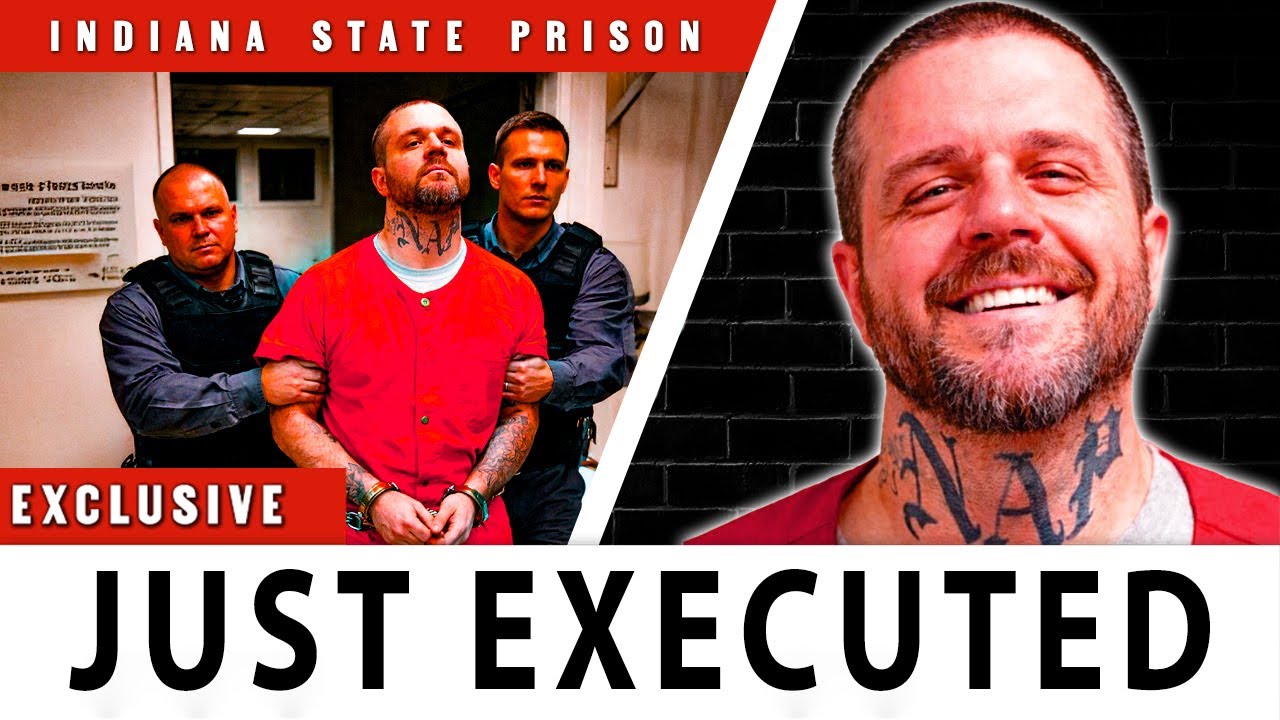 The execution marked the grim conclusion of a case that began with a stolen van and the tragic death of Officer William Ronald Tony in 2000. Ritchie fired four shots during a chaotic chase, one of which struck Tony in the chest, resulting in his immediate death. This incident ignited a firestorm of public outrage and fueled a relentless push for justice that ultimately led to Ritchie’s death sentence.
Witnesses reported a disturbing scene as the execution unfolded. After the injection of pentobarbital at 12:01 a.m., Ritchie’s body reportedly jerked violently for three seconds before he succumbed. Officials attributed these movements to reflexes, but many questioned whether it was a sign of suffering, leading to calls for transparency regarding the execution’s methods and the quality of the drugs used.
Ritchie’s final meal consisted of a tour of Italy from Olive Garden, featuring fettuccine Alfredo, lasagna, and chicken parmesan. In his last words, he expressed love for his family and friends, hoping they would find peace. Yet, these sentiments stood in stark contrast to the pain felt by the family of Officer Tony, whose life was cut short in an instant.

The case has sparked heated debates about the fairness of the death penalty, particularly as Ritchie’s execution stood alone among numerous other cop killers in Indiana who did not face the same fate. Critics argue that public sentiment and fundraising efforts for Tony’s family may have unduly influenced the decision to seek the death penalty in this case.
As the sun rose over the prison, the echoes of Ritchie’s life and the tragic events that led to his execution lingered in the air. The stark reality of a life lost and the complexities surrounding justice and accountability remain unresolved. The execution raises profound questions about the nature of punishment and the systems that govern life and death decisions.
The fallout from Ritchie’s execution is likely to resonate beyond the prison walls. Legislative discussions about execution methods, including potential alternatives like firing squads, are already underway. Advocates for reform are calling for a thorough examination of the death penalty and its application, emphasizing the need for clarity and fairness in a system often clouded by emotion and tragedy.
As the community grapples with the implications of this execution, the stories of both Benjamin Ritchie and Officer William Ronald Tony serve as stark reminders of the fragile balance between justice and compassion. The complexities of their narratives intertwine, leaving a lasting impact on all who bear witness to the consequences of crime, punishment, and the quest for closure.