Second-year guard Bronny James has emphasized the importance of communication, preparation, and leadership within the locker room as the Los Angeles Lakers prepare for their first-round playoff matchup against the Houston Rockets. His comments come as the team navigates significant roster challenges and prepares for a high-pressure postseason environment.
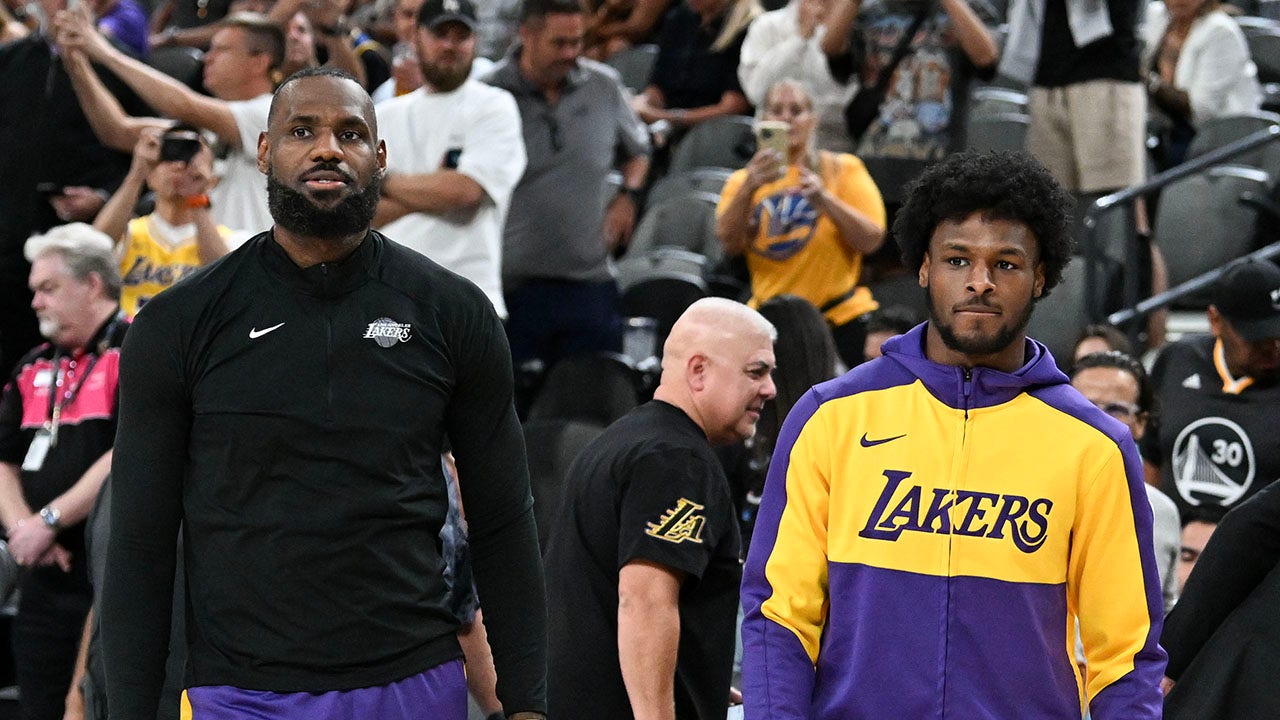
With key contributors such as Luka Dončić and Austin Reaves unavailable for the series, the Lakers enter the matchup in a reduced rotation. This situation has placed increased emphasis on internal leadership structures, in-game communication, and veteran guidance as the team adjusts its strategy for playoff competition.
In this context, Bronny James spoke about the value of experience and decision-making within high-stakes games, pointing to the importance of collective focus and trust in established leadership within the team structure. His remarks reflect a broader organizational emphasis on adaptability and execution under playoff conditions.
Bronny noted that veteran presence within the roster can serve as a stabilizing factor during periods of uncertainty, particularly in postseason environments where tactical adjustments and situational awareness become critical. His comments align with the team’s broader approach of relying on experience and structured game planning as they enter a challenging series.

From a psychological perspective, teams entering the playoffs with limited rotation depth often rely heavily on role clarity and communication. Sports performance analysts suggest that underdog teams can compensate for talent gaps through discipline, trust in system execution, and consistent decision-making under pressure. In such environments, younger players are frequently evaluated not only on performance output, but also on their ability to maintain composure and integrate within structured game plans.
Psychological and Team Dynamics Analysis
From a sports psychology standpoint, playoff series under short-handed conditions often increase cognitive load on players. Decision-making speed, emotional regulation, and adaptability become key performance indicators. Analysts note that when teams are missing primary scorers, secondary contributors must rapidly adjust to expanded roles, which can influence both efficiency and confidence levels.

In this case, the Lakers’ situation highlights how organizational trust is distributed across different roster tiers. The coaching staff’s emphasis on readiness and adaptability reflects a broader NBA trend in which developmental players are expected to contribute in postseason environments sooner than in previous eras.
Justice System and Ethical Framework (Organizational Fairness Perspective)
Within a broader structural context, professional sports organizations operate under internal “fairness systems” that determine playing time, development opportunities, and postseason roles. While not a legal system in the traditional sense, these frameworks often mirror procedural evaluation models—where performance, readiness, and strategic fit determine opportunity allocation.
Ethically, such systems raise questions about how responsibility is distributed in high-pressure environments. When teams rely heavily on younger or developing players due to injuries, discussions often emerge around competitive balance, developmental fairness, and organizational accountability in roster construction.
LeBron James’ Role in Team Leadership Structure
LeBron James remains a central figure in the Lakers’ strategic and leadership framework. His experience in postseason environments is frequently referenced within team discussions, particularly in situations requiring rapid tactical adjustment and situational awareness.

Head coach JJ Redick has also emphasized the importance of collective readiness, noting that short-handed rotations require full engagement from every available player. This reinforces the team’s approach of shared responsibility rather than reliance on a single scoring structure.
Looking Ahead
As Game 1 approaches, the Lakers face a series defined by adaptation, depth testing, and role expansion. With multiple rotation changes and increased expectations on emerging players, performance outcomes will likely depend on execution discipline and in-game communication rather than traditional star-driven dynamics.
The series presents a broader evaluation point for how teams manage development, leadership influence, and strategic adjustment under postseason constraints.
As organizations continue to balance competitive urgency with player development, how should professional teams structure responsibility when roster limitations force younger players into high-stakes playoff roles?