Christopher Anthony Young, a Texas death row inmate, was executed on July 17, 2018, after 12 years behind bars. His life story, marked by tragedy, violence, and a quest for redemption, raises profound questions about justice, mercy, and the impact of systemic inequalities in the death penalty.
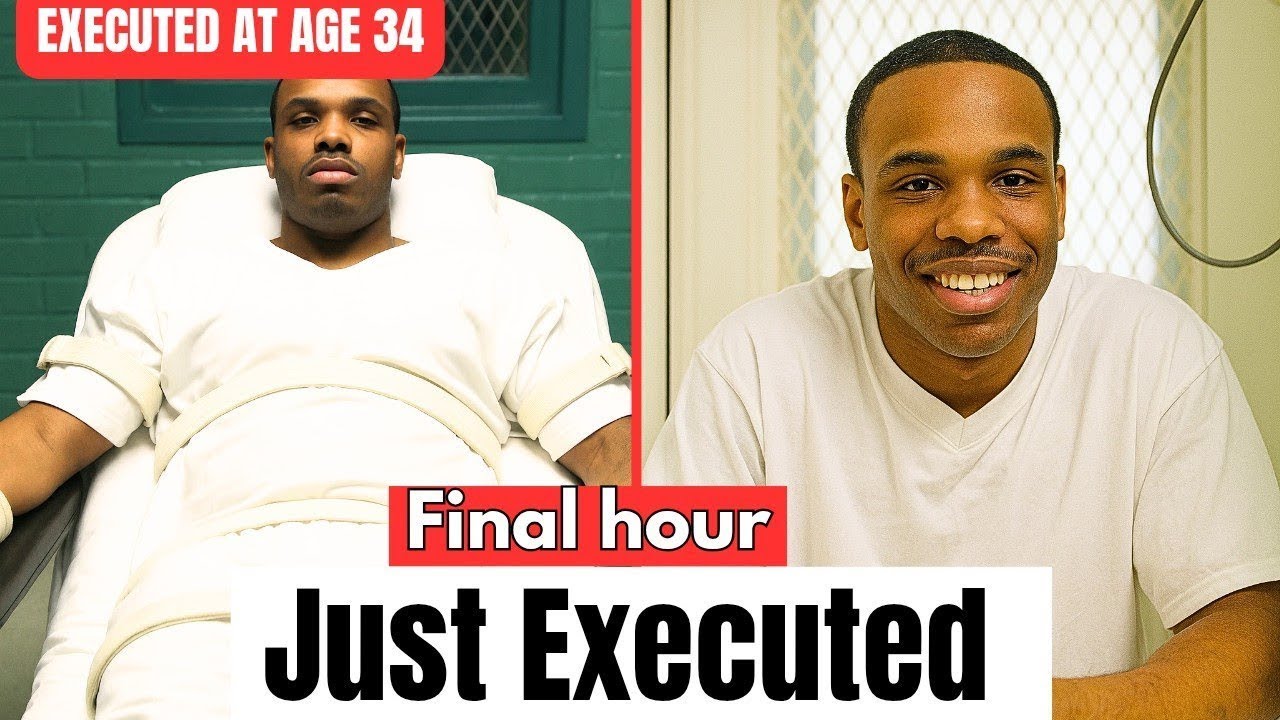 Young’s journey began in San Antonio, where a promising childhood was shattered by the murder of his father when he was just eight years old. This traumatic event propelled him into a life of crime, gang affiliation, and ultimately, violence. His transformation from a gifted child to a convicted murderer illustrates the deep scars left by childhood trauma and societal neglect.
On November 21, 2004, Young committed a heinous crime that would seal his fate. After assaulting his pregnant girlfriend, he entered a convenience store owned by Hazmuk Patel, demanding money at gunpoint. In a tragic turn, he shot Patel, who died from his injuries, leaving behind a grieving family and community.
Young’s trial was swift, resulting in a capital murder conviction and a death sentence. Over the years, he sought redemption, mentoring fellow inmates and developing programs aimed at preventing youth from following his destructive path. His efforts to change, however, were overshadowed by the brutal nature of his crimes.
As his execution date approached, an unexpected ally emerged: Mitesh Patel, the son of the man Young killed. Mitesh publicly advocated for Young’s clemency, arguing that the man on death row had changed and deserved a second chance. His plea highlighted the complexities of forgiveness and the human capacity for compassion, even in the face of unimaginable loss.
Despite Mitesh’s heartfelt testimony, the Texas Board of Pardons and Paroles denied Young’s clemency petition, citing his violent history. The decision drew stark contrasts to another case involving a white inmate, Thomas Whitaker, who was spared execution after a similar appeal from his father. This disparity raised questions about racial biases in the justice system.
On the day of his execution, Young had a final meal of meatloaf and mashed potatoes, a somber reminder of the life he was leaving behind. He spent his last hours writing letters to his daughters and those he had mentored, urging them to learn from his mistakes and avoid the path he had taken.
As the execution unfolded, Young addressed witnesses, speaking of the need for dialogue about the realities of death row and urging children to understand the consequences of their choices. His final words resonated with a haunting urgency, leaving behind a legacy of both tragedy and potential transformation.
At 6:39 p.m., Christopher Young was pronounced dead, a victim of a system that often struggles to balance justice with mercy. His story serves as a painful reminder of the complexities surrounding the death penalty, the impact of trauma, and the enduring questions of what true justice entails. As society grapples with these issues, Young’s life and death challenge us to reflect on the narratives we construct around crime, punishment, and redemption.