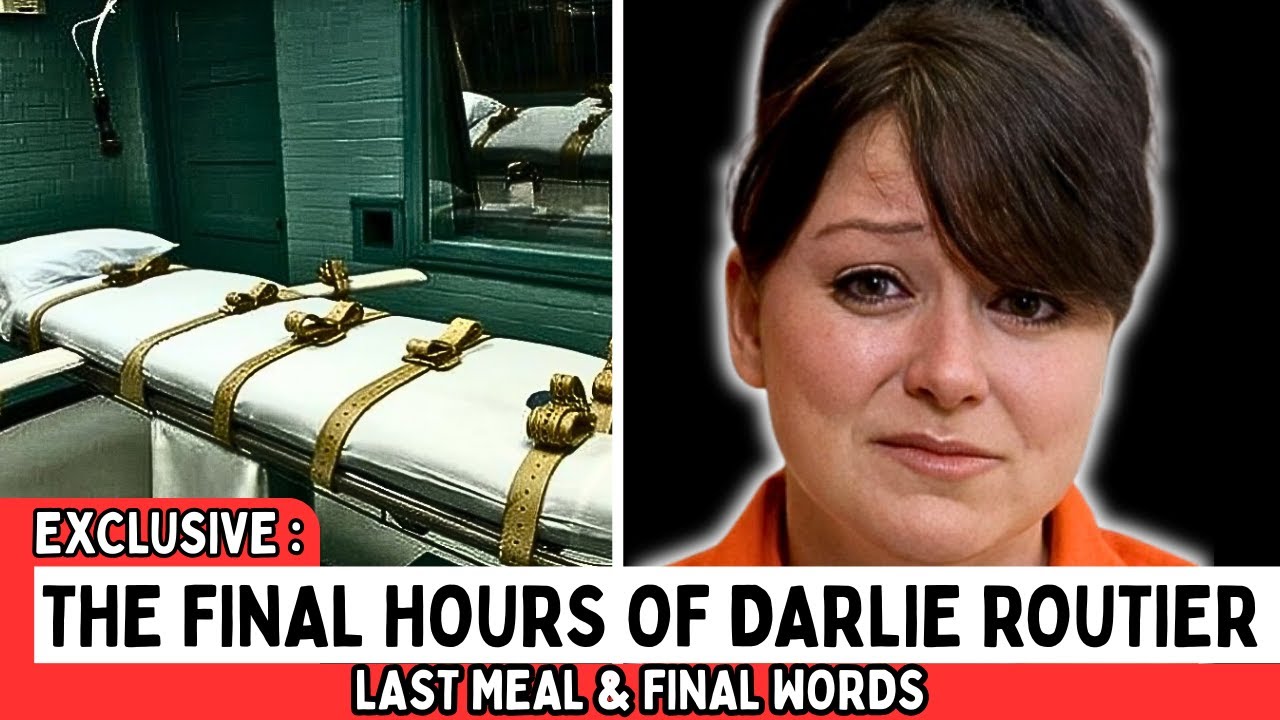
Darlie Routier, a Texas mother on death row for nearly three decades, continues to assert her innocence as new evidence emerges, raising doubts about her conviction. The tragic case, which began with the brutal murder of her two sons in 1996, has captivated and divided public opinion, igniting fierce debates over justice and truth.
 On June 6, 1996, Darlie Routier’s frantic 911 call set off a chain of events that would lead to one of Texas’ most controversial murder trials. Claiming an intruder attacked her and killed her children, Devon and Damon, Darlie’s story quickly unraveled under scrutiny. Investigators found inconsistencies, leading them to suspect she may have staged the scene. Key evidence, such as a bloody sock found far from the crime scene, and the absence of foreign fingerprints, cast doubt on Darlie’s claims. Forensic analysis indicated that blood patterns did not match a chaotic struggle, raising questions about the validity of her narrative. As doubts mounted, the case shifted from a tragic loss to a potential cover-up.
The trial captivated the nation, but public opinion was heavily influenced by the infamous “silly string” video, which showed Darlie appearing to celebrate shortly after her children’s deaths. This footage became a focal point for the prosecution, painting her as emotionally detached and guilty. The defense argued that it was a moment of shock, misunderstood by the public and media. Despite the lack of concrete evidence linking Darlie to the crime, the jury convicted her after a brief deliberation. The decision left many questioning whether justice was truly served. As years passed, new forensic advancements prompted a reexamination of the case, revealing potential flaws in the original investigation.
Recent DNA testing has introduced the possibility of another suspect, as a fingerprint found at the scene did not belong to Darlie. Advocacy groups have rallied around her, arguing that the conviction was rushed and based on circumstantial evidence. Calls for a retrial are growing louder, fueled by renewed interest and fresh evidence. As Darlie Routier continues to fight for her freedom, the case remains unresolved, with her supporters pushing for justice. The legal battle is far from over, and each new development raises more questions than answers. Will the truth about that fateful night ever come to light? The case of Darlie Routier is a haunting reminder of the complexities of justice and the potential for wrongful convictions. As the fight for her exoneration continues, the questions linger: Was Darlie wrongly convicted? Or is there more to the story than we have been told? The mystery endures, and the search for truth continues.