LeBron James continues to be one of the most closely analyzed athletes in professional sports, particularly as he extends his career well beyond the typical prime years of an NBA player. At 41, his ongoing role with the Los Angeles Lakers has prompted repeated discussion among analysts about longevity, performance sustainability, and media coverage planning around veteran athletes in the league.
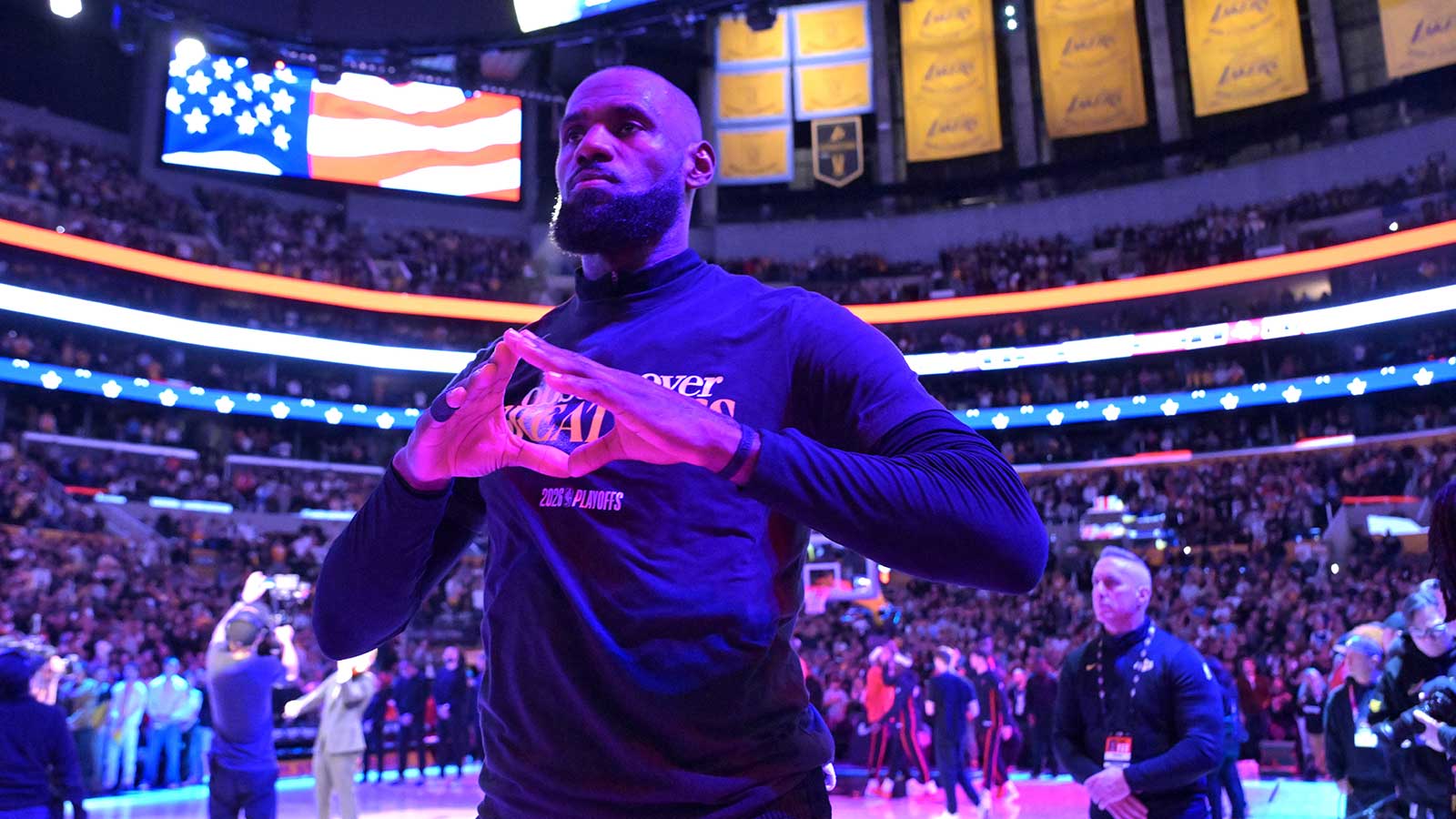
One of the more notable perspectives came from ESPN reporter Brian Windhorst, who recently reflected on internal conversations he had during a stretch in which James returned from a sciatica-related injury in late 2025. During that period, some observers believed James’ on-court impact had temporarily declined, leading to broader speculation within media circles about how to approach potential retirement coverage in the future.
Windhorst described that moment as a point where expectations shifted, noting that the physical appearance of James during his early return raised questions about long-term performance. However, he also emphasized that these assessments were based on a short sample of games during recovery, rather than a full evaluation of his season trajectory.
As the 2026 postseason progressed, James reasserted his influence on the Lakers’ performance in the opening-round series against the Houston Rockets. Through the first two games, he averaged approximately 22 points, along with contributions in rebounds and playmaking, helping the Lakers establish an early series advantage. His performance has been particularly significant given roster availability challenges, with key teammates missing time due to injuries.
From a team context, the Lakers have had to adjust rotations and offensive responsibilities, requiring increased usage from veteran leadership. This has placed additional attention on how experienced players manage workload in high-stakes playoff environments, especially when supporting contributors are unavailable.
From a broader league perspective, analysts often use cases like James’ career to examine how aging athletes adapt within modern NBA systems. Sports medicine experts and performance analysts frequently highlight recovery protocols, minute management, and skill adaptation as key factors that allow elite players to remain effective later in their careers.
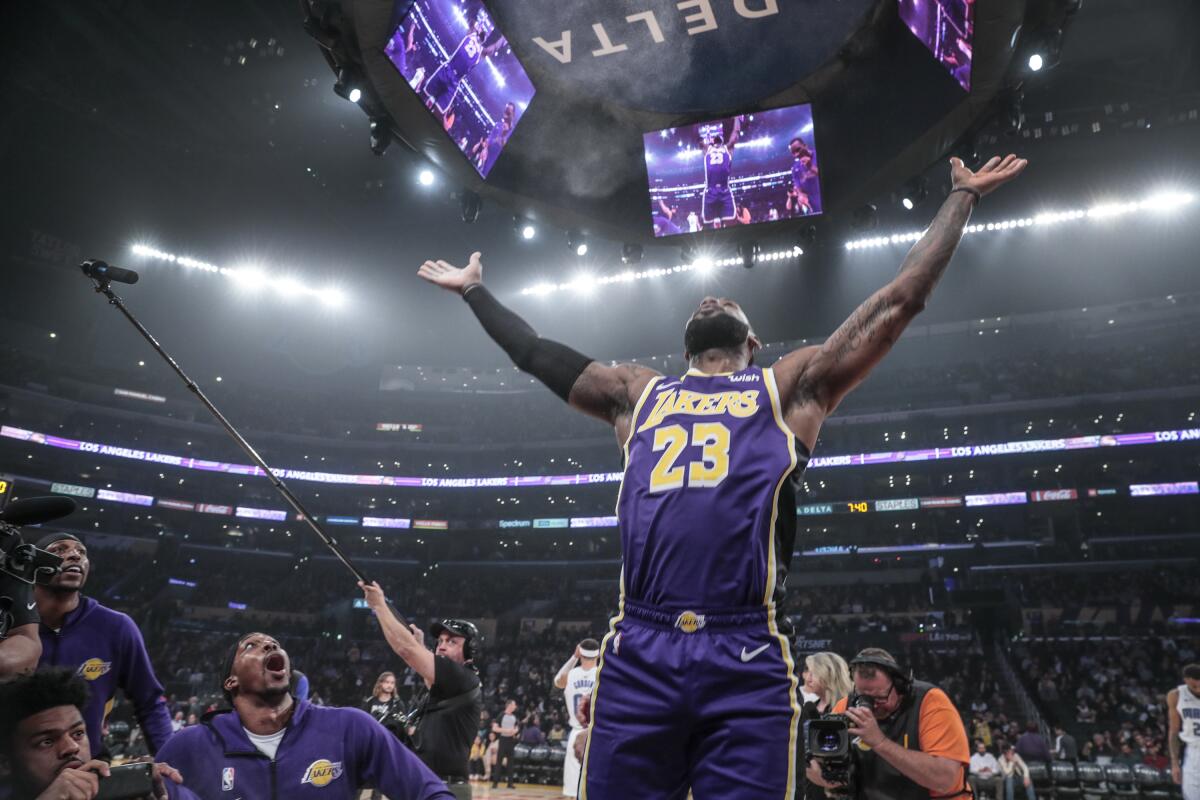
The situation also raises ongoing discussions around how media organizations prepare narrative cycles around veteran athletes. Retirement speculation, while common in sports coverage, often fluctuates rapidly based on short-term performance trends, making long-term planning more complex for editorial teams.
Ultimately, James’ continued presence in postseason competition contributes to a wider conversation about athlete longevity, team dependency structures, and how performance narratives evolve in real time across a season.
As the Lakers move forward in the series, attention remains on how sustained performance, roster health, and matchup dynamics will shape the remainder of their playoff run—and what it reveals about the changing expectations placed on veteran superstars in today’s NBA.