The opening-round NBA playoff series between the Los Angeles Lakers and the Houston Rockets has developed into a closely watched competitive matchup, with the Lakers establishing a 2-0 lead after the first two games. The series has drawn significant attention due to the involvement of high-profile players LeBron James and Kevin Durant, as well as the strategic adjustments made by both teams.
From a league perspective, the series highlights how postseason dynamics can shift based on player availability, in-game adjustments, and coaching strategies. The Lakers opened the series with a win in Game 1, followed by another strong performance in Game 2, both held at Crypto.com Arena.
Houston entered Game 2 with Kevin Durant returning to the lineup after missing Game 1 due to a knee contusion sustained in practice. His return was expected to enhance offensive efficiency and spacing, given his role as a primary scoring option. However, the overall team output remained limited compared to projections, reflecting the complexity of integrating key players back into high-intensity playoff environments.
In Game 1, Houston struggled with shooting consistency, finishing below average from both the field and three-point range. In Game 2, despite Durant’s return, the team again faced efficiency challenges, with reduced scoring output and increased turnovers affecting overall possession value. Durant contributed 23 points along with rebounds and assists, but also recorded multiple turnovers, illustrating both his offensive impact and the defensive pressure applied by Los Angeles.
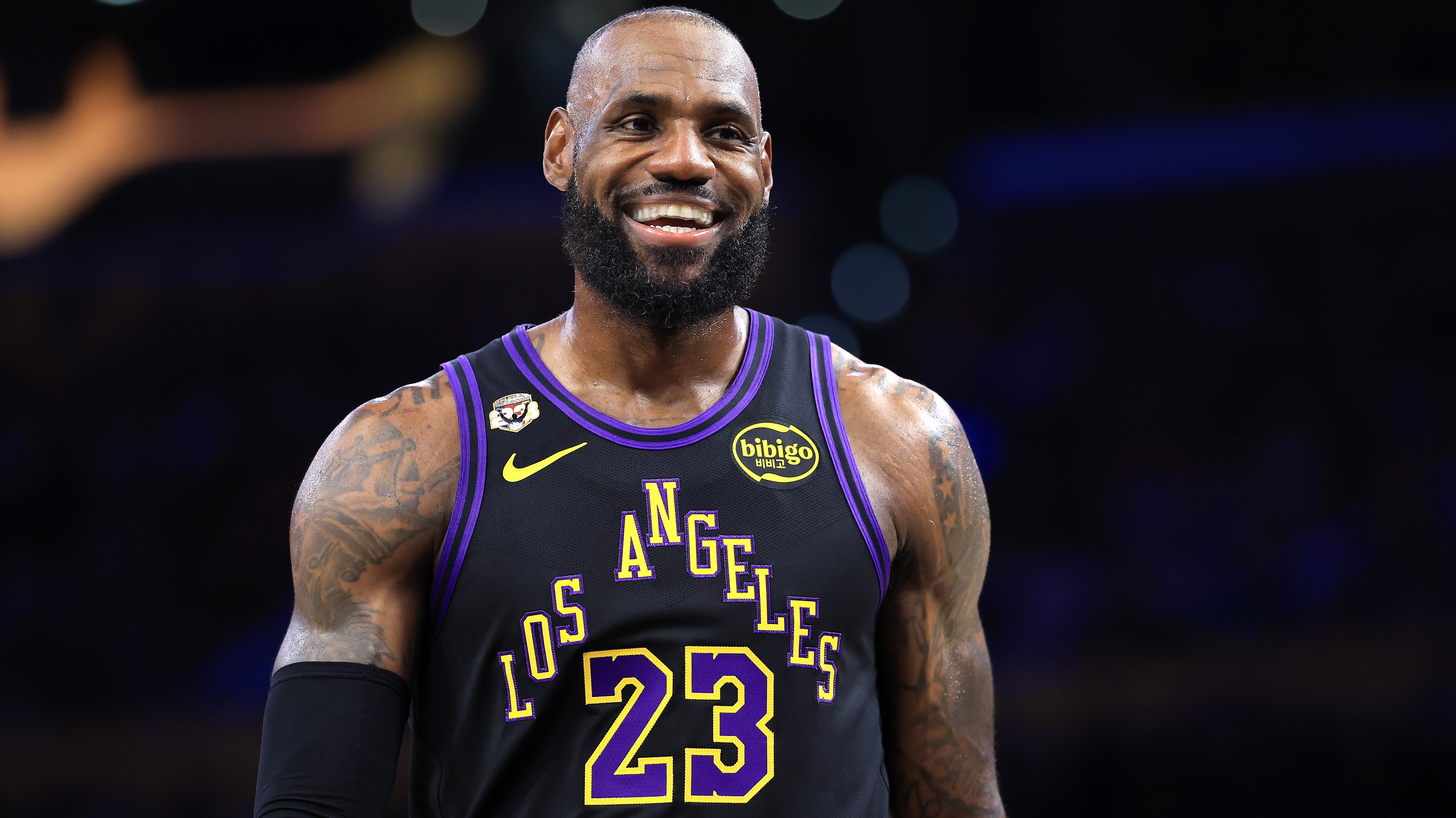
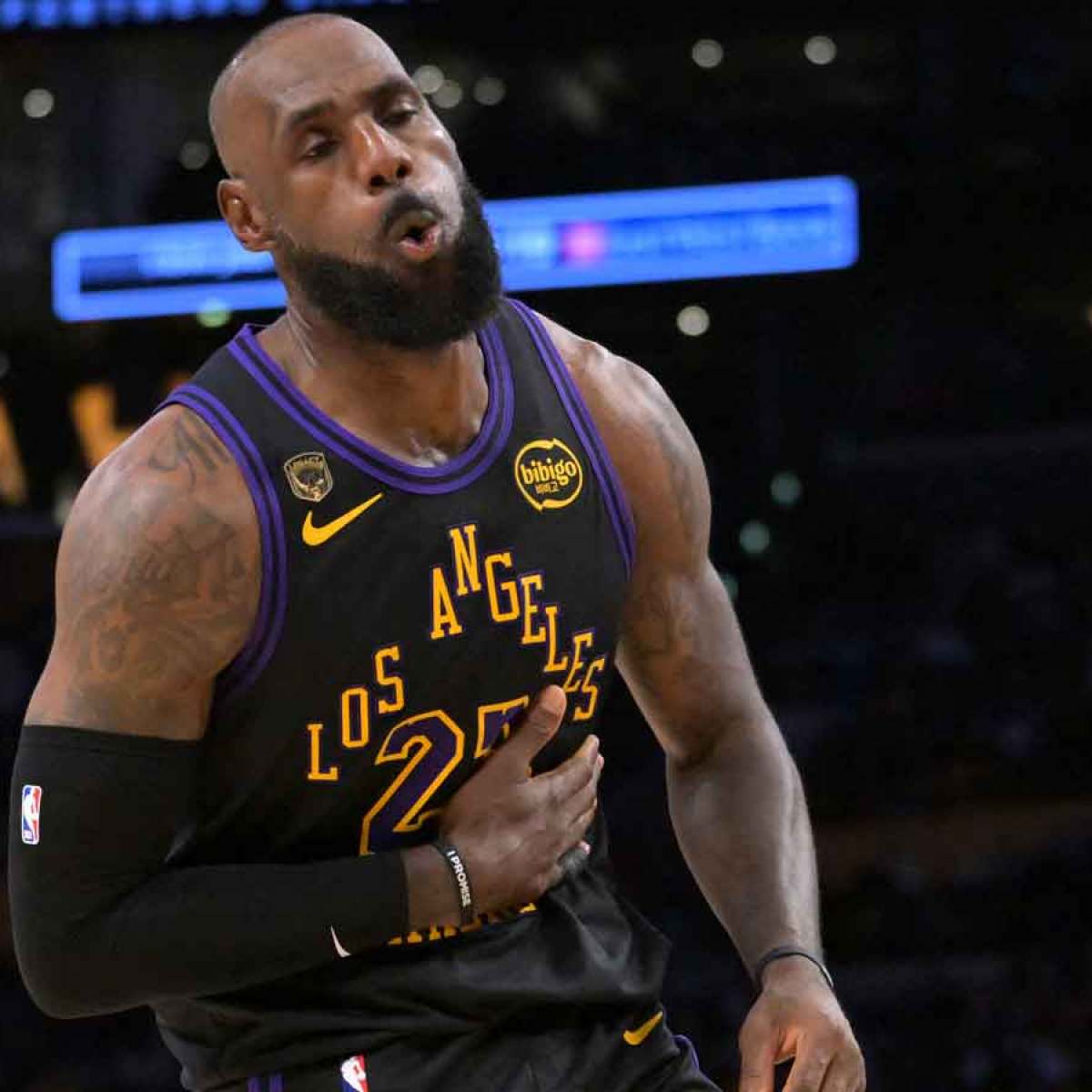
LeBron James continued to play a central role for the Lakers, leading the team in multiple statistical categories across both games. In Game 2, he recorded 28 points, eight rebounds, and seven assists, while also facilitating offensive flow and managing possession control. In Game 1, he contributed across scoring and playmaking roles, reinforcing his position as a primary decision-maker within the Lakers’ system.
Following Game 2, James commented on the defensive challenge of containing Durant, emphasizing respect for Durant’s scoring ability while also acknowledging the tactical adjustments required in playoff matchups. His remarks reflected the competitive nature of postseason series, where elite players often respond to defensive pressure with adjustments in subsequent games.
From a psychological and performance analysis perspective, matchups involving elite athletes such as James and Durant often draw attention to cognitive resilience, in-game adaptation, and emotional regulation under high-stakes conditions. Sports psychology research frequently highlights how experienced players manage external narratives, defensive schemes, and physical demands across a multi-game series.
From a justice-and-structure analogy within sports systems, analysts often compare playoff series to iterative decision-making environments, where each game serves as feedback for coaching staff adjustments. This includes lineup optimization, defensive coverage schemes, and offensive spacing strategies designed to improve efficiency over time.
Houston’s coaching staff is expected to evaluate offensive consistency and turnover management as the series shifts to their home court. Adjustments may include changes in spacing, ball movement emphasis, and usage distribution among primary scorers. Meanwhile, Los Angeles will likely continue refining defensive rotations and transition opportunities based on early-series performance data.
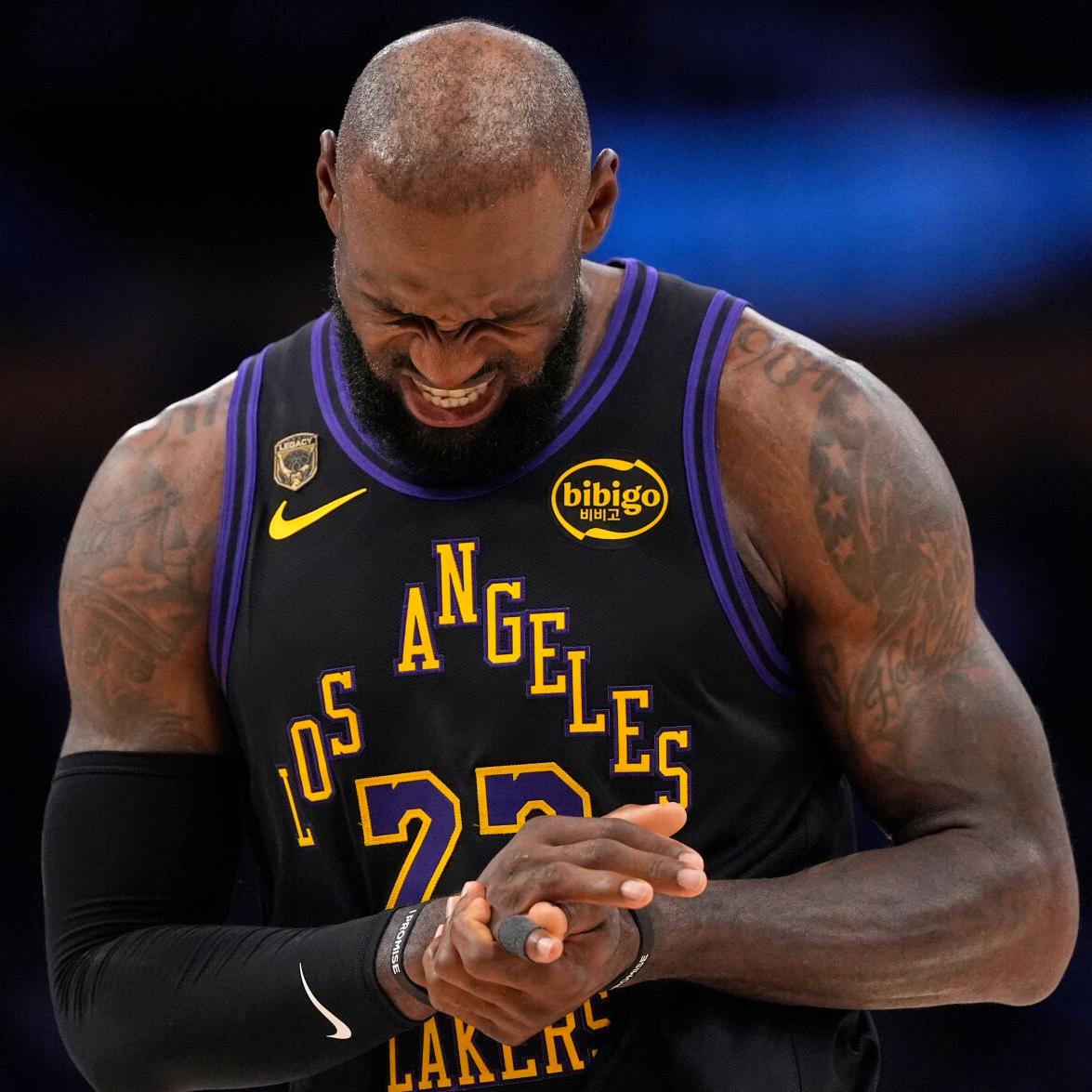
The broader ethical and competitive discussion surrounding the series focuses on how modern NBA teams balance star player usage, injury management, and long-term performance sustainability in postseason environments. Analysts continue to examine how roster depth and adaptability influence outcomes in tightly contested series.
As the series transitions to Houston for Games 3 and 4, attention will remain on how both teams adjust strategically in response to early results. The outcome of these adjustments will likely determine whether the series remains competitive or shifts decisively in favor of one side.
What remains to be seen is how coaching decisions, player performance trends, and tactical changes will shape the trajectory of the series moving forward.