You always seem to be the one keeping the peace. You tiptoe around their moods, their outbursts, their demands, and no matter how hard you try, nothing you do is ever quite enough. If that sounds familiar, you are not alone, and you are not crazy. There is a name for what you are experiencing, and there is a way through it.
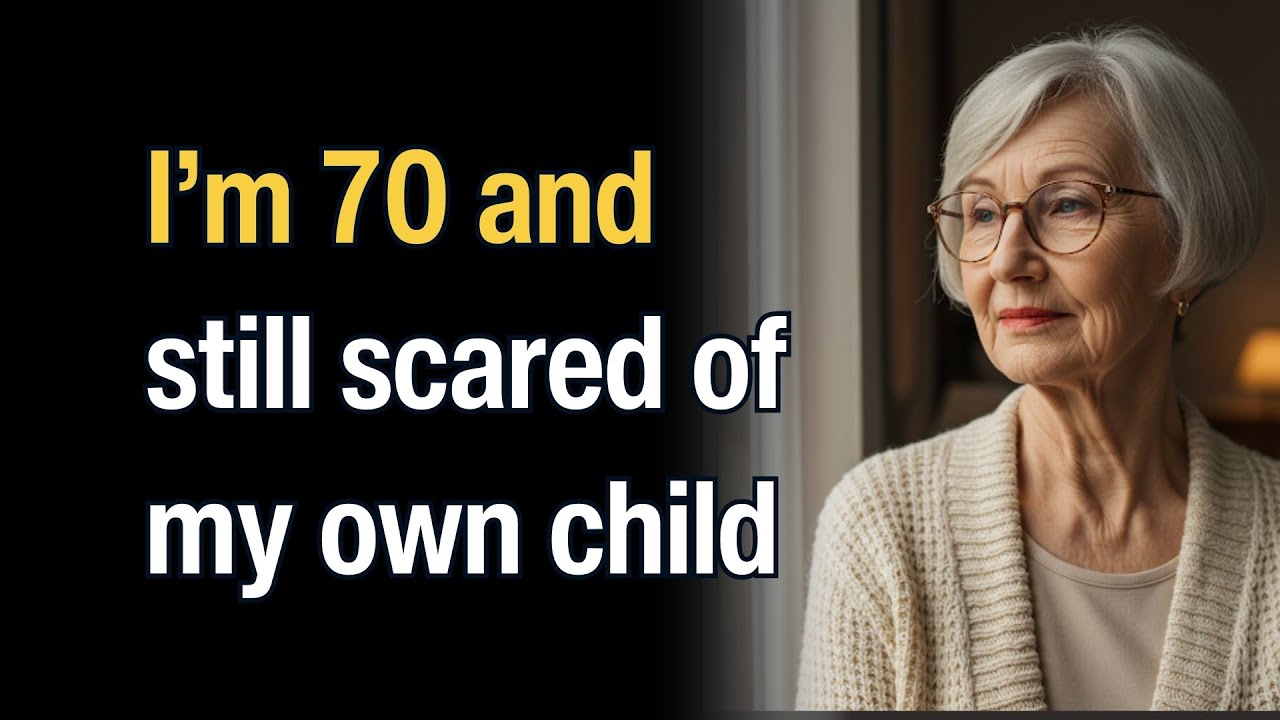
It comes down to the toxic unspoken rules that exist in families with deeply self-centered adult children. Not parents, not spouses, but the grown son or daughter who somehow holds the entire family hostage with their emotions, their version of reality, and their need to control how everyone else feels and behaves. If you are a parent in your sixties or beyond, chances are you have spent decades following these rules without even realizing it. These rules were never written down.
No one ever said them out loud, but they shaped your daily life, your stress, your self-worth, and even your health. They are the rules that whisper, don’t upset them. Don’t question them. Don’t think about your own needs.
But here is the truth. Just because you followed those rules for years does not mean you have to keep following them today. The first unspoken rule is this: you must always keep the peace. When your child lashes out, criticizes, blames, or withdraws in silence, it somehow becomes your responsibility to smooth things over.
You learn to read their facial expressions like a radar, anticipating emotional storms before they even begin. You apologize even when you have done nothing wrong. You avoid mentioning topics that might upset them, even when those things matter deeply to you. Little by little, you make yourself smaller so their world can stay calm.
But ask yourself gently. How many times has keeping the peace actually brought you peace? Or did it just buy you a few hours, maybe a few days, before the next emotional explosion? Real peace does not come from silence or submission.
It comes from mutual respect, honesty, and boundaries. That brings us to something even more damaging. The second toxic rule is that their version of reality is the only truth allowed. These adult children often rewrite history.
They deny events that clearly happened, twist your words, accuse you of things you never did, or insist that you are remembering it wrong. Over time, you begin to doubt yourself. You start thinking maybe I did say something hurtful, or maybe I really am the problem. Your memories matter.
Your experience matters. Just because they shout louder does not make them right. In healthy families, everyone’s perspective has value. But in deeply unhealthy family dynamics, one child insists that their version of events becomes the rule, and everyone else is expected to fall in line.
It is exhausting and disorienting. If you have started to feel like you cannot trust your own mind, that is not because you are too sensitive. It is because someone slowly trained you to ignore yourself. That leads straight into the third rule.
Your needs are selfish compared to theirs. Maybe you have tried to talk to your adult child about something that is bothering you, only to be shut down, dismissed, or accused of making everything about yourself. Maybe when you needed help, they were suddenly too busy. But when they need something, you are expected to drop everything.
This kind of imbalance does not happen overnight. It often starts when they are young. You gave up your time, your energy, even parts of your identity to help them succeed or avoid hardship. Maybe they never stopped expecting that level of sacrifice from you.
In a healthy family, everyone’s needs matter. But in this pattern, your needs are treated as interruptions, or worse, as personal attacks. Now consider something many of you have lived with for years. Their emotions come first, and yours must stay controlled.
When your child is upset, angry, or stressed, it becomes a family emergency. Everything stops for their feelings. But when you are sad, tired, or overwhelmed, you are expected to be strong, to get over it, or to not make a big deal. Over time, you learn to hide your feelings, especially the hard ones.
You put on a smile when you are hurting. You avoid talking about your own pain because it only leads to more tension. But stuffing your emotions is not strength. It is survival.
And it takes a toll. It wears on your health, numbs your joy, silences your voice. Your feelings deserve space. They deserve to be acknowledged, respected, and heard, not just by others, but by you.
The next rule might be the most exhausting of all. You are responsible for regulating their happiness. If they are angry, it must be because of something you said. If they are distant, it must be because you were not available enough.
If they are struggling in life, it must somehow be your fault. You find yourself constantly trying to fix things, giving advice they do not want, offering help they will not take, or apologizing for things you did not do. You are not responsible for another adult’s emotional world, especially not someone who refuses to take responsibility for their own actions. It is not your job to perform emotional CPR every time they collapse into blame or guilt trips.
And it is not love to enable that behavior. Real love includes accountability on both sides. If any of this sounds familiar, you are not broken. You are not a bad parent.
You are not weak. You are someone who has been operating under a set of toxic, unwritten rules. You have likely been doing it to survive, to protect the family, and to keep hope alive. But now it is time to start reclaiming your voice, your truth, and your peace.
Let’s talk about what happens when you try to protect yourself. In families shaped by these unhealthy power dynamics, setting boundaries is often treated as an act of cruelty. If you say no, you are labeled selfish. If you ask for space, you are accused of abandonment.
If you try to explain how their behavior hurts you, you are met with deflection, denial, or explosive anger. Over time, this conditions you to believe that saying no is not safe, that asking for basic respect will only bring more conflict. So you begin to compromise. You agree to things that make you uncomfortable.
You keep your phone on at all hours in case they call. You lend money, time, and energy you do not really have. You allow the conversation to stay focused on them even when you need support. Boundaries are not punishments.
They are not acts of selfishness or spite. Boundaries are lifelines. They are ways to say, I matter too. In a healthy relationship, those boundaries are honored, not mocked, tested, or punished.
If you have been told that protecting your time, your energy, or your mental health is somehow mean or cold, that is not a reflection of who you are. It is a reflection of the unhealthy dynamic you have been pulled into. You have every right to protect your peace. Now something cuts even deeper.
The idea that love from a controlling adult child is conditional. When you comply, when you agree, when you meet their expectations, you might receive a temporary smile, a rare text message, or a moment of approval. But the moment you fall short, or worse, stand up for yourself, that warmth vanishes. The silence begins.
The guilt-inducing messages appear. The affection turns distant and cold. This is a painful kind of manipulation because it mimics what love should be, but it is not love. It is approval based on performance.
In healthy families, love is not something you have to earn every day. Love is the foundation, not a reward. But when you have spent years in a dynamic where affection was given and taken away like a prize, you start believing you are only worthy when you are perfect, giving, sacrificing, bending. That belief seeps into everything.
You may hesitate to speak your mind with friends, fearing disapproval. You may avoid taking care of your own needs, thinking it makes you a burden. You may even find it hard to accept kindness from others because deep down you are still waiting for the conditions to change. You are worthy of love, even when you say no, even when you set limits, even when you make mistakes.
You never had to earn basic decency. There is also the silence. Not just between you and your adult child, but within the entire family. One of the most toxic rules is that everything must be kept quiet.
What happens inside the home is not to be spoken about. Even when there is emotional harm, manipulation, or cruel treatment, you are expected to hide it. You smile during the holidays. You say everything is fine to friends.
You make excuses when others sense something is wrong. You protect the family’s image at all costs, even when doing so comes at the expense of your own emotional safety. Why? Because if the truth comes out, the entire illusion crumbles.
But the cost of that illusion is your well-being. Every time you downplay the truth, you reinforce the story that your pain does not matter. Every time you stay silent, you give up a little more of your voice. You were taught that sharing the truth is betrayal, that you are airing dirty laundry, that you are making things worse.
But truth is not betrayal. It is clarity. And sometimes it is the first step toward healing. Maybe you are not ready to tell the whole world.
That is okay. But could you start by telling yourself the truth? Could you write it down, say it out loud, or share it with someone you trust? The moment you stop protecting their behavior, you start protecting your heart.
Another devastating rule is this. When there is a conflict, you are always the one to blame. If there is a disagreement, you are accused of starting something. If they mistreat you, you are told it was your fault for being too sensitive or too controlling.
Over time, this narrative becomes so familiar that you internalize it. You begin to believe that every problem in the relationship is somehow your doing. That belief poisons your self-worth. You apologize when you have done nothing wrong.
You doubt your instincts. You feel ashamed for having boundaries. You carry guilt that does not belong to you. Blame is not the same as responsibility.
If someone refuses to take accountability for their actions, it does not mean you have to absorb their guilt. You can let it go. You can return it to where it came from. You have a right to stand up for yourself even if your voice shakes.
You have a right to say that hurt me, even if they do not want to hear it. And you have a right to release the burden of always being the problem. Perhaps the most invisible rule of all is baked into the foundation of the relationship itself. It is the belief that your role in the family is fixed.
You are the one who always understands, the one who gives, the one who keeps things together. If you ever try to step out of that role, even just a little, you are met with shock, anger, or silence. Your adult child may have decided long ago who you are, not based on who you truly are, but based on who they need you to be in order to keep their own world comfortable and predictable. That role does not change even as you age.
You could be sixty-five, seventy, or even eighty and still feel pressured to play a version of yourself that no longer fits you, or perhaps never truly did. Maybe you were cast as the strong one, so you are not allowed to struggle. Or the provider, so you are not allowed to say no. Or even the problem, so nothing you do is ever quite right.
These roles trap you. They turn you into a character in someone else’s story. Over time, it is easy to lose touch with your own. But you are not who they say you are.
You are not frozen in time. You are still allowed to grow, to change, to become who you truly are. You are more than your family role. You have value that does not depend on how much you give, how agreeable you are, or how small you make yourself.
You can reclaim your identity one quiet decision at a time. The final and maybe most heartbreaking unspoken rule is that the family’s image matters more than your emotional safety. This one is especially painful for parents because it often means no one outside the family sees what is really happening. Friends, extended relatives, neighbors, they might think your child is charming, successful, generous.
They do not see the control, the manipulation, or the emotional outbursts. And because you want to protect your child, or maybe just avoid the shame, you go along with the illusion. You post the smiling holiday photos. You downplay the hurtful words.
You make excuses. Each time, a little piece of your truth gets buried deeper. But what good is an image if it costs you your peace? What good is keeping up appearances if it means hiding in silence year after year?
Protecting your well-being is not betrayal. It is not cruel, and it is not wrong. It might be the most loving thing you can do for yourself, and eventually for everyone around you. When you live in truth, you invite others to do the same.
When you stop feeding the illusion, you give yourself the chance to finally breathe. You might be thinking, what can I do now? I am already in my sixties. Is it too late to change all of this?
It is never too late to heal. Never too late to draw a boundary. Never too late to speak the truth. You do not need permission from anyone to begin.
You only need the decision. You have spent a lifetime taking care of others. Now it is time to begin taking care of yourself. Start small.
When a conversation with your child feels manipulative, pause and ask yourself, is this my responsibility or theirs? When guilt creeps in after setting a boundary, remind yourself that guilt is not a sign you are doing something wrong. Sometimes it is a sign you are doing something new. When you find yourself slipping into silence, ask gently, what truth am I afraid to say out loud?
You do not need to confront them with anger or demand they change. They may never change. But you can change the way you show up. You can change the rules you choose to follow.
You can stop playing a game that was never fair to begin with. As you make these changes, know that it is okay to grieve. It is okay to feel sad, angry, even lost. Healing is not about denying those feelings.
It is about finally honoring them. Let yourself feel the weight of what you have carried, and then slowly, lovingly, begin to put it down. So many people your age are quietly struggling with deeply self-centered adult children, believing it must be their fault, that they did something wrong, that if they were just more patient, more giving, more understanding, more perfect, everything would finally improve. But the truth is this.
You are not the problem. You are not broken. And you are not powerless. You are allowed to step out of the shadow of fear and control.
You are allowed to build a life that centers your peace, your dignity, and your truth. Even now, especially now. If something inside you feels seen, that is not a coincidence. That is your inner wisdom saying it is time.
Time to stop walking on eggshells. Time to stop sacrificing your joy for someone else’s comfort. Time to start living for you. You are wise.
You are worthy. And you are not alone.