In a chilling conclusion to a dark chapter in American history, Timothy McVeigh was executed on June 11, 2001, at 7:14 a.m. in Terre Haute, Indiana. This marked the first federal execution in nearly four decades. Instead of a last meal, McVeigh left behind a handwritten poem, “Invictus,” reflecting his defiance.
 The execution came six years after McVeigh orchestrated the Oklahoma City bombing, a heinous act that claimed 168 lives, including 19 children. The devastating explosion, caused by a truck loaded with 7,000 pounds of explosives, shattered the Alfred P. Murrah Federal Building, leaving a crater 30 feet wide. The aftermath was a scene of chaos, with rescue workers sifting through the rubble for survivors.
On that fateful morning of April 19, 1995, McVeigh parked the yellow Ryder truck outside the daycare center, a deliberate act that underscored his twisted ideology. He believed he was fighting against a tyrannical government, fueled by events like the Waco siege and Ruby Ridge. His actions sparked a national conversation about domestic terrorism and the radicalization of individuals.
McVeigh’s journey to this point was marked by a growing resentment towards federal authority. After serving in the Gulf War, he became increasingly isolated, immersing himself in anti-government rhetoric. The friendships he formed with fellow veterans only deepened his convictions, leading to the tragic events of April 1995.
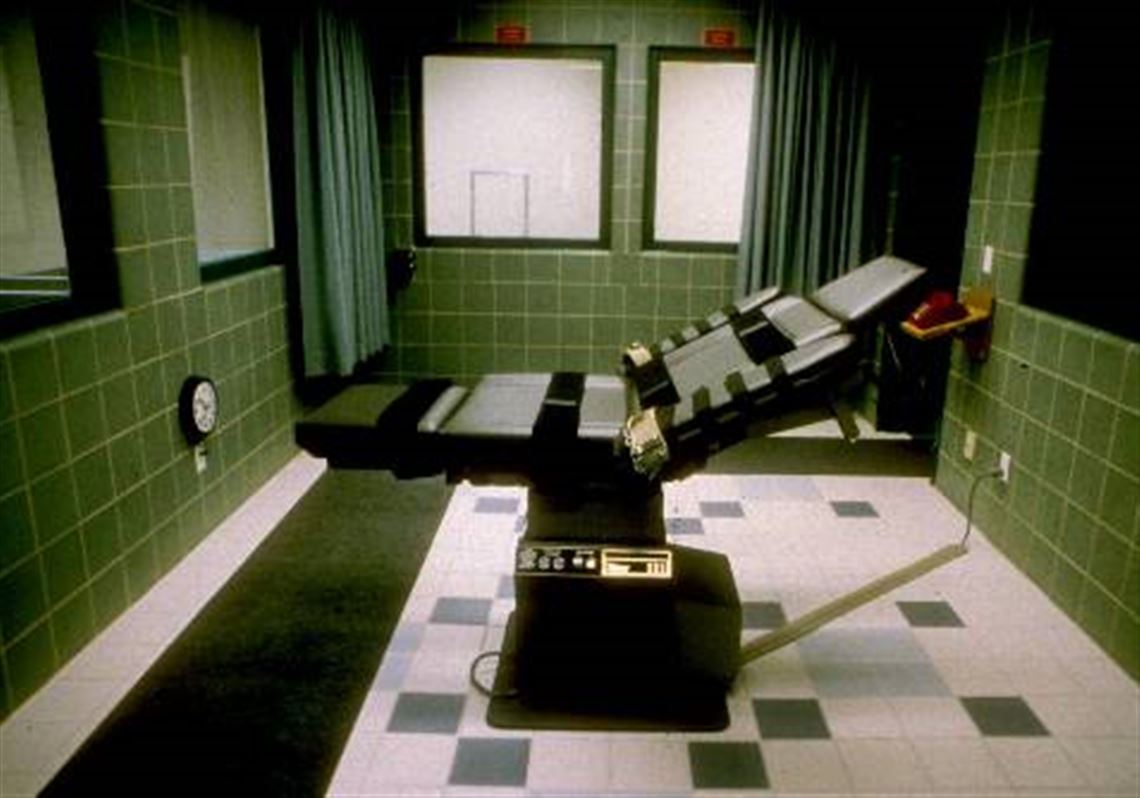
As McVeigh lay on the gurney, witnesses included survivors and family members of the victims, all grappling with the weight of his actions. His final words, penned in “Invictus,” echoed a chilling sense of control over his fate, even as he faced the consequences of his violent ideology.
The execution itself was swift, a stark contrast to the suffering he inflicted years earlier. The fallout from the bombing and McVeigh’s subsequent trial raised questions about the effectiveness of law enforcement and the government’s role in preventing such acts of terror. Critics pointed to failures in intelligence and communication, fueling debates that continue to this day.
In the wake of his execution, discussions surrounding the death penalty reignited, particularly regarding its application in cases of domestic terrorism. The public’s response was mixed, reflecting deep divides over justice, punishment, and the complexities of radicalization.
McVeigh’s legacy is one of tragedy and horror, serving as a grim reminder of the potential for violence rooted in ideology. His actions have inspired a new generation of extremists, prompting law enforcement to reevaluate strategies for countering domestic terrorism.
As the ashes of Timothy McVeigh were scattered in secrecy, the nation was left to ponder the lessons learned from the Oklahoma City bombing. The scars of that day remain, a stark reminder of the fragility of safety in public spaces and the ongoing struggle against radical ideologies.