Ethan Crumbley, the teenager who shattered lives in a tragic school shooting, now faces a harrowing existence in prison, serving a life sentence without parole. As he navigates the brutal realities of Oaks Correctional Facility, questions arise about the true nature of justice and punishment in America.
 In a packed courtroom on December 8, 2023, Judge Jami Row delivered a sentence that reverberated across the nation. Ethan Crumbley, just 16 years old, stood silently as the judge condemned him to a life behind concrete walls, devoid of hope or redemption. The gravity of his actions—killing four students and injuring seven others—echoed through the courtroom, leaving a community in mourning.
The judge detailed the chilling nature of Crumbley’s crime, which unfolded on November 30, 2021, at Oxford High School. Armed with a 9mm handgun, Crumbley unleashed chaos, firing 30 rounds in a matter of minutes. The horror of that day is compounded by the knowledge that warning signs were ignored, as school counselors had urged his parents to seek help just hours before the shooting.
Now, in the unforgiving environment of Oaks Correctional Facility, Crumbley is classified as a level four inmate, a designation reserved for the most dangerous offenders. His notoriety has made him a target among inmates, leading to violent altercations even behind bars. The prison, designed to house the most dangerous offenders, has become a living hell for a teenager whose life has been irrevocably altered.
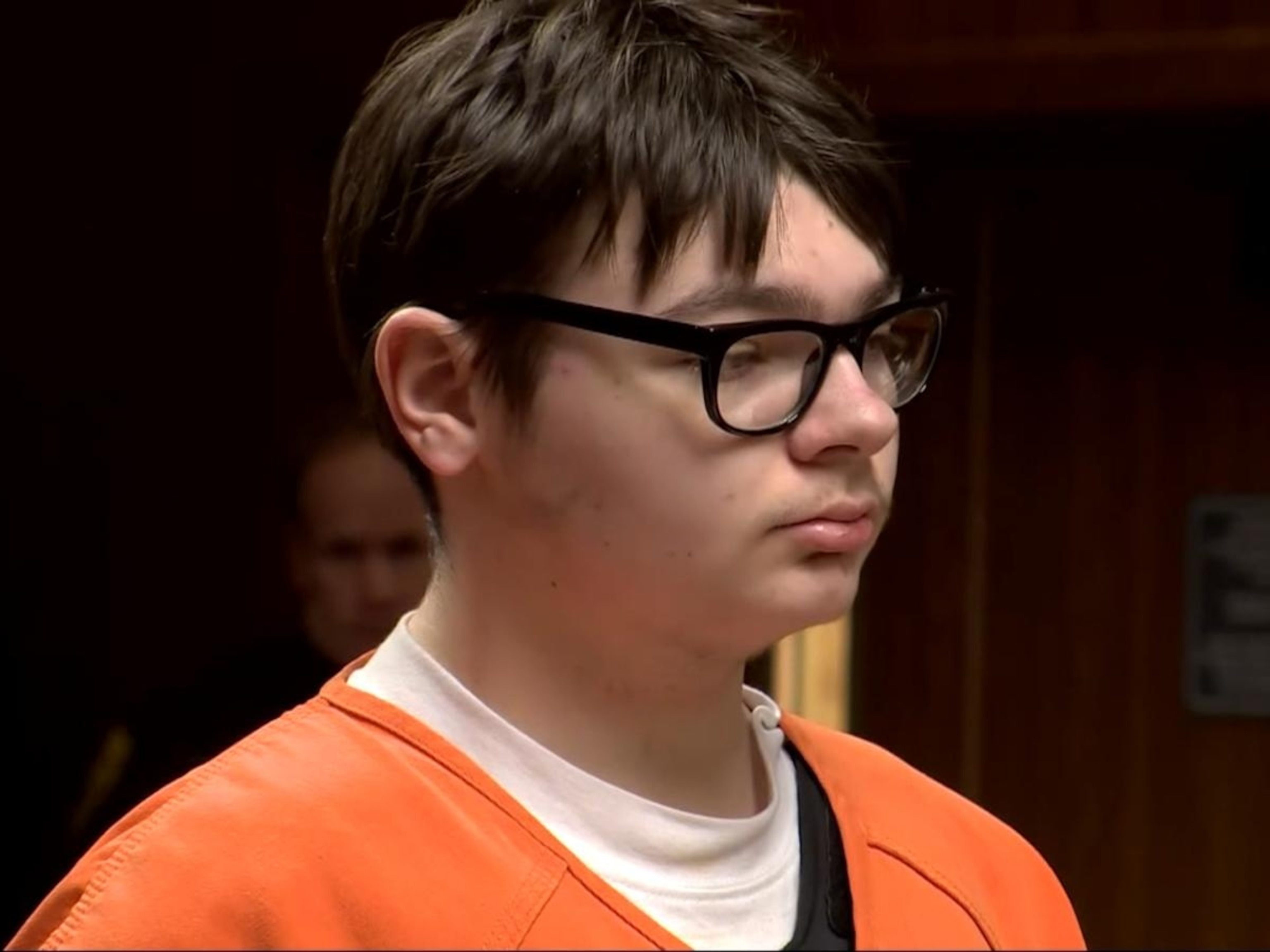
In a stark contrast to the lives of his peers, Crumbley’s days are devoid of milestones. No prom, no graduation, no first love—just the relentless monotony of prison life. Each morning begins with harsh lights and a meager breakfast served through a slot in his cell. The stark reality of his existence is punctuated by the knowledge that he will never again experience the freedoms that define youth.
Crumbly’s situation is further complicated by the fate of his parents, who are also incarcerated, serving sentences for their roles in enabling their son’s actions. While they may one day walk free, Crumbley faces a lifetime behind bars, a reality that weighs heavily on his psyche. Reports suggest that even in this environment, he has expressed regret, longing for the help he desperately sought before the tragedy unfolded.
The psychological toll of life imprisonment on a teenager is immense. Experts warn that prolonged isolation can lead to irreversible mental health issues, including anxiety and depression. Crumbley, now 18, is trapped in a cycle of despair, his identity shaped by the brutality of prison life rather than the experiences of a typical adolescence.
As the years stretch ahead, Crumbley will confront the harsh realities of aging in prison, a stark juxtaposition to the lives of his former classmates. While they build futures filled with promise, he is confined to a concrete box, watching the world move on without him.
The question looms: is this life sentence a more fitting punishment than the death penalty? Many argue that the slow decay of hope and humanity can be a far crueler fate. Crumbley’s existence raises uncomfortable questions about justice, punishment, and the moral implications of a system that condemns a young offender to a lifetime of suffering.
As we reflect on Ethan Crumbley’s life behind bars, the debate intensifies about what constitutes true justice. Is the agony of living a life without freedom a more severe punishment than death? The answers may not be as clear-cut as one might hope, leaving us to grapple with the complexities of justice in America.