In a grim and chilling turn of events, three death row inmates were executed in the United States during February 2026, marking a significant moment in the ongoing debate over capital punishment. Each man, linked by their heinous crimes, faced their final moments, leaving behind haunting legacies of violence and tragedy.
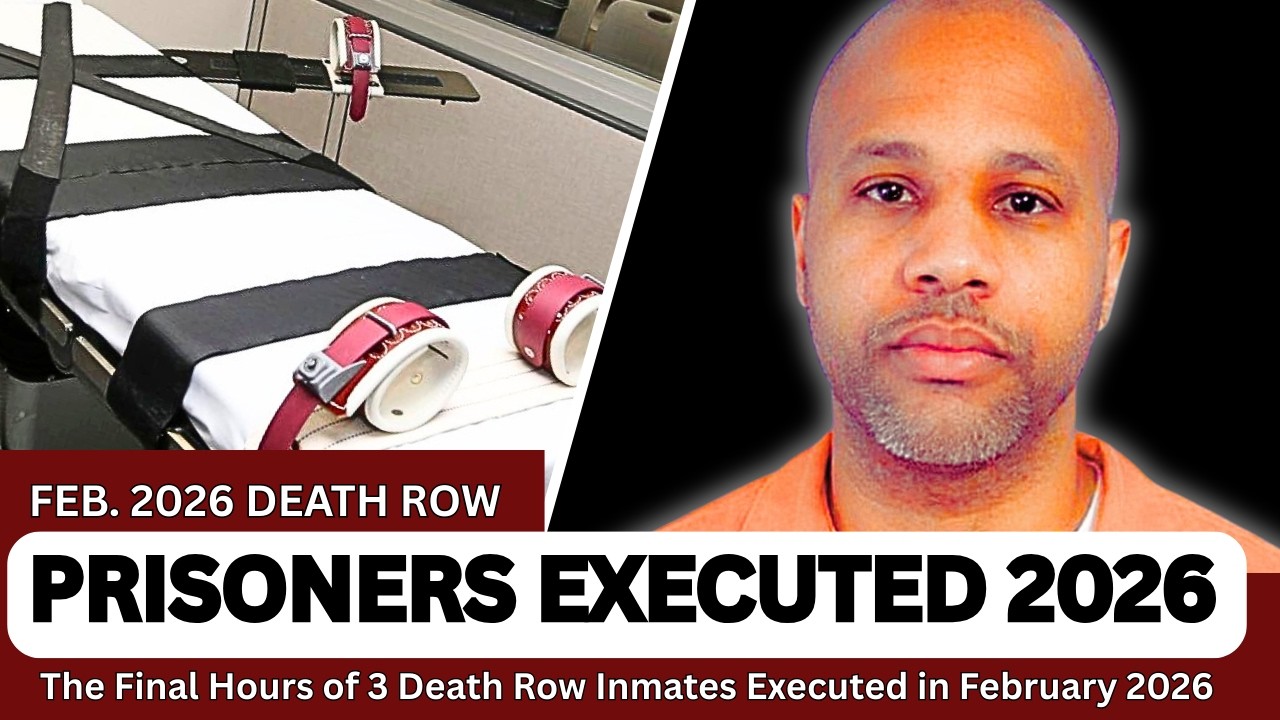 On February 10, Ronald Palmer Heath, 64, was executed in Florida after spending 35 years on death row. His history of violence began at just 16 when he committed his first murder. Heath’s final words, “I’m sorry. That’s all I can say,” echoed through the execution chamber, a stark reminder of the life he took from Michael Sheridan in 1989.
Just two days later, on February 12, Kendrick Antonio Simpson, 45, met his fate in Oklahoma. His execution stemmed from a senseless act of violence triggered by a comment about his baseball cap. Simpson’s past was marked by trauma and violence, culminating in the shooting deaths of two young men, Glenn Palmer and Anthony Jones, in 2006. His last words were a brief acknowledgment of support from friends, devoid of remorse for his victims. The final execution of the month occurred on February 24, when Melvin Troder, 65, was put to death in Florida. Troder’s crime was equally horrifying, as he stabbed 70-year-old Vie Langford during a robbery in 1986. Despite a tumultuous life filled with hardship and a lengthy stay on death row, Troder offered no final words before succumbing to lethal injection.
These executions have reignited fervent discussions about the morality and efficacy of the death penalty in America. Each case illustrates the complex interplay of crime, punishment, and the human condition, raising questions about justice and redemption. As the nation reflects on these events, the stories of the victims and their families linger, a reminder of the profound impact of violence and loss.