In a harrowing twist of justice, Kendrick Morris, sentenced to life in prison after a brutal crime at just 16, faces a reality many deem worse than death itself. His attempt for a reduced sentence in 2017 resulted in an even harsher life sentence, trapping him in a cycle of despair and isolation.
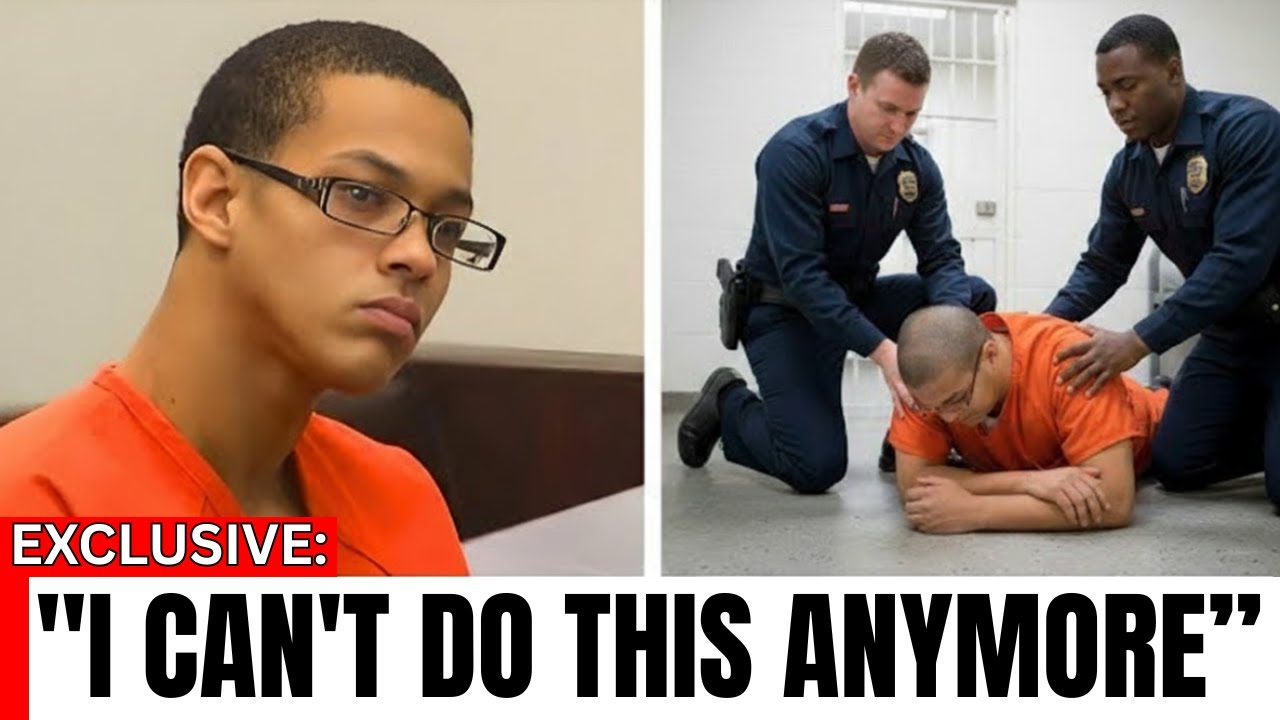 Morris’s life was irrevocably altered in 2008 when he committed an act of violence that left his victim, Queen Afu, blind and paralyzed. Initially sentenced to 65 years, he sought a chance for rehabilitation in 2017, hoping the court would acknowledge his transformation. Instead, Judge Chad Tharp delivered a devastating verdict: life without parole. This ruling has plunged Morris into a psychological abyss. Each day blurs into the next, confined to a tiny cell for 23 hours, with only one hour of freedom to exercise and shower. The stark reality of his existence is a relentless cycle of solitude, devoid of human connection and hope. Experts warn that life in maximum security is more than just imprisonment; it’s a slow, torturous decline into madness. Morris, now in his early 30s, faces decades of isolation that erode his identity and mental health. The absence of change leads to a state known as “temporal death,” where the future becomes a ghost.
The psychological toll is staggering. Studies show that solitary confinement can lead to severe mental illness, self-harm, and even death. Inmates often lose their ability to communicate and form relationships, trapped in a system designed to strip them of their humanity. Morris’s situation exemplifies this grim reality. Adding to the tragedy, Morris’s sentencing review is set for 2031, yet experts believe the chances of his release are slim. This looming date offers a flicker of hope but may ultimately lead to deeper despair if denied. The anguish of false hope can be more damaging than hopelessness itself.
Morris’s story raises profound questions about the nature of justice and punishment. Is life without parole a humane alternative to execution, or is it a more insidious form of cruelty? Society grapples with the implications of locking away individuals for life while depriving them of their humanity. As Morris counts down the years in his concrete cage, the distinction between punishment and torture blurs. The system claims to protect society, but at what cost? The agony of a life without hope stretches across decades, leaving one to wonder if this is true justice or a dark reflection of our values. This case compels us to confront our beliefs about mercy, justice, and what it means to be human. Kendrick Morris’s life sentence serves as a haunting reminder of the psychological devastation wrought by maximum security confinement. As we reflect on this troubling narrative, we must ask ourselves: what is the true price of justice?