Inside the El Dorado Correctional Facility, Dennis Rader, the notorious BTK killer, endures a life sentence that some argue is worse than death. In solitary confinement for nearly 20 years, he faces a relentless cycle of isolation and decay, stripped of purpose and plagued by the ghosts of his past crimes.
 Rader, sentenced to ten consecutive life terms without parole, lives in a cramped 6×9 foot cell where time stands still. The concrete walls are his only companions, as he spends 23 hours a day in isolation, with just one hour allotted for exercise and showering. This existence, devoid of human interaction, is a slow march toward psychological and physical deterioration.
Prison officials deemed Rader a target for other inmates, prompting his permanent isolation. The only sounds he hears are the mechanical clinks of prison operations and the sliding of food trays through a narrow slot—no conversation, no eye contact, just the echo of his solitude. The outside world feels like a distant memory.
In a cruel twist of fate, Rader’s torment is compounded by ongoing investigations into additional murders. Authorities continue to probe unsolved cases, linking him to crimes from decades past. Each interrogation is a reminder of the lives he shattered, a haunting echo that reinforces his isolation.
Despite the grim reality, Rader maintains correspondence with a small group of individuals, including a forensic psychologist. This connection provides a window into his warped psyche, revealing a man who compartmentalizes his dark urges. He refers to this part of himself as the “minotaur,” a chilling acknowledgment of his dual existence.
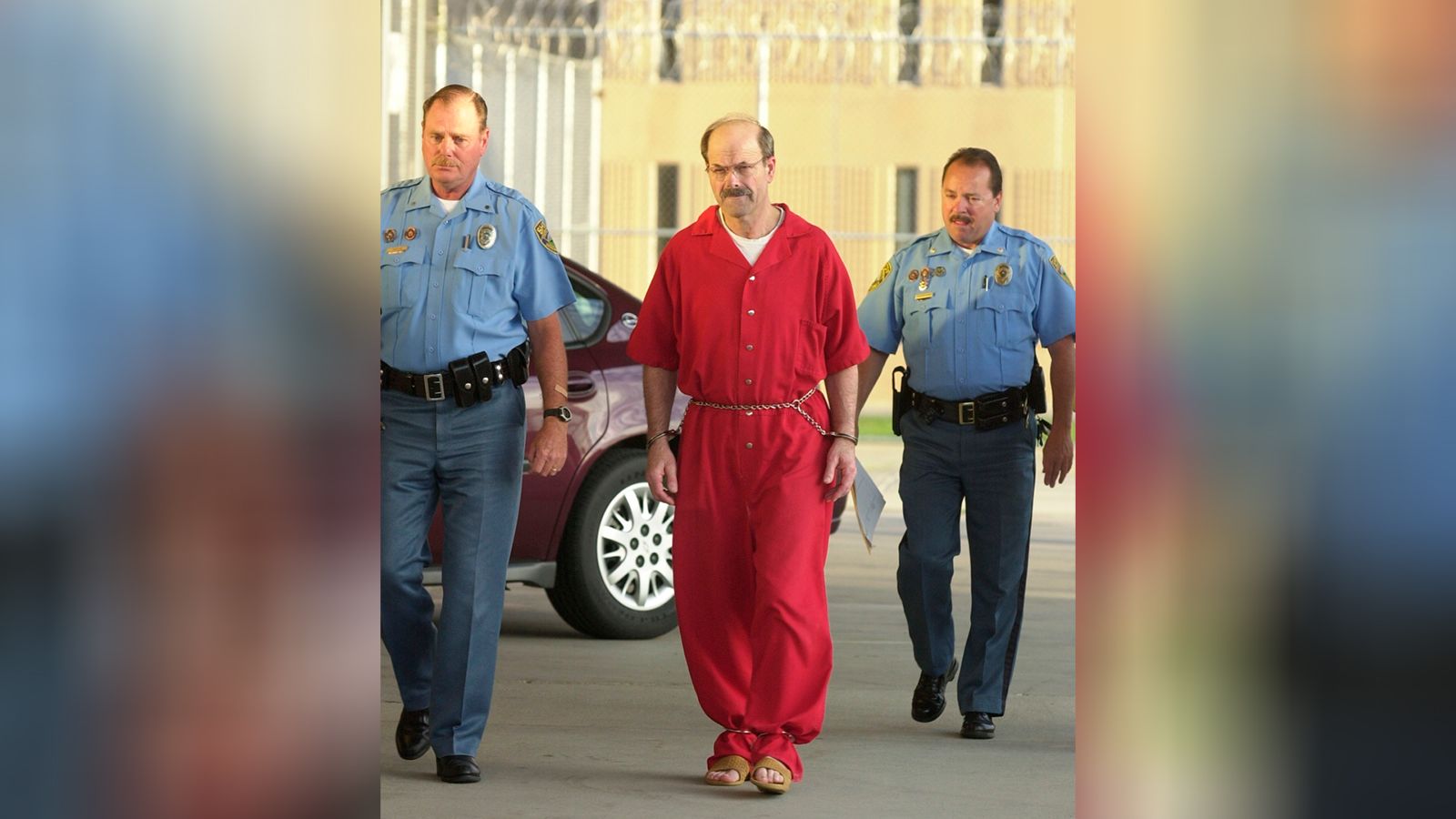
Health issues plague him in confinement. Letters to his daughter disclose the deterioration of his body and mind—possible strokes, severe scoliosis, and fading memory. Each day, he grapples with the knowledge that he is aging rapidly in a concrete box, with no access to proper medical care or the outside world.
The psychological toll of solitary confinement is well-documented, and Rader’s case exemplifies its devastating effects. Inmates in isolation often experience anxiety, depression, and cognitive decline, symptoms that Rader has been enduring for nearly two decades. The absence of human contact has reduced his world to an endless loop of sameness.
As he reflects on his past, Rader’s letters reveal a man who misses his family while simultaneously being the architect of unimaginable suffering for others. The juxtaposition of his longing for connection and his heinous acts creates a chilling narrative, one that underscores the complexity of his character.
While some may view his life sentence as justice, others see it as a form of torture. Rader’s existence is stripped of hope, purpose, or the possibility of redemption. Unlike death row inmates who can appeal their sentences, he faces a bleak future devoid of any end.
In a world that has largely forgotten him, Dennis Rader serves as a cautionary tale. His story is not one of dramatic finality but rather an endless cycle of punishment. The state of Kansas may have spared him from execution, but they condemned him to a life of unrelenting isolation—a fate that may be the most fitting punishment of all for a man who took so much from others.