Michael Swango, once a celebrated physician turned notorious serial killer, now languishes in the harsh confines of the United States Penitentiary Administrative Maximum Facility in Florence, Colorado. After a series of gruesome murders spanning 16 years, he was sentenced to three consecutive life terms without the possibility of parole, a fate many believe is worse than death itself.
 Swango’s journey from medical prodigy to “Doctor Death” began in the 1980s, where he left a trail of suspicious patient deaths across multiple states and even in Zimbabwe. Authorities arrested him in 1997 at Chicago’s O’Hare International Airport, but proving his culpability was a daunting task. Investigators needed to exhume bodies and reconstruct evidence that had long since vanished.
The real horror lies not only in the lives he took but in how he exploited systemic failures. Hospitals failed to report his suspicious activities, allowing him to practice medicine despite a felony conviction for poisoning co-workers. Each institution he infiltrated neglected to connect the dots, enabling his deadly spree.
Now, at age 71, Swango spends 23 hours a day in a stark, concrete cell measuring just 87 square feet—smaller than a parking space. The conditions are designed for isolation, with no meaningful human interaction or sensory stimulation. He is surrounded by infamous criminals but remains utterly alone, a ghost of his former self.
Studies show that prolonged solitary confinement can lead to severe psychological deterioration. Inmates often experience hallucinations, anxiety, and cognitive decline. Swango, who once had the potential to heal, now endures a life of relentless monotony and regret, trapped in a tomb of his own making.
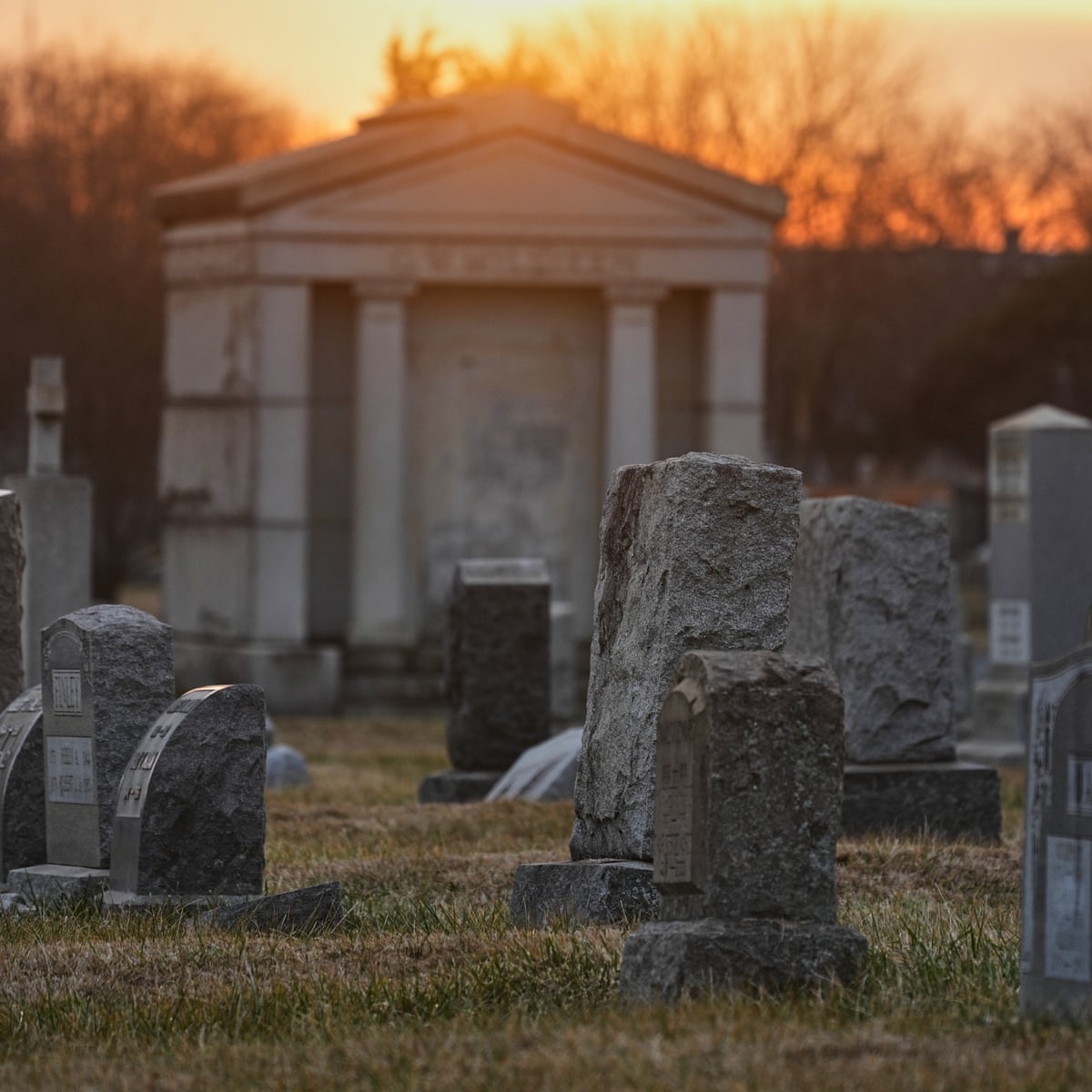
The debate surrounding his punishment rages on. Some argue the death penalty would have been a just end for a man who took so many lives. Others contend that his current existence—an endless cycle of isolation and despair—serves as a more fitting retribution for his heinous acts.
As the clock ticks on Swango’s life sentence, the question remains: Is this cruel confinement a form of justice, or does it merely prolong the agony of a man who once wielded life and death in his hands? The institutions that failed to stop him have also faced scrutiny, highlighting the urgent need for reform in medical oversight and accountability.
In the end, Michael Swango’s story serves as a chilling reminder of the fragility of trust within the medical system and the dire consequences of negligence. He may never practice medicine again, but the shadows of his past will haunt him until his last breath.