Ali Abulaban, the infamous TikTok star known as Jin Kid, was sentenced to two consecutive life terms without parole for the brutal murders of his wife, Anna, and her friend, Raburn Baron. As he faces a hellish existence in California State Prison, the reality of his punishment begins to sink in.
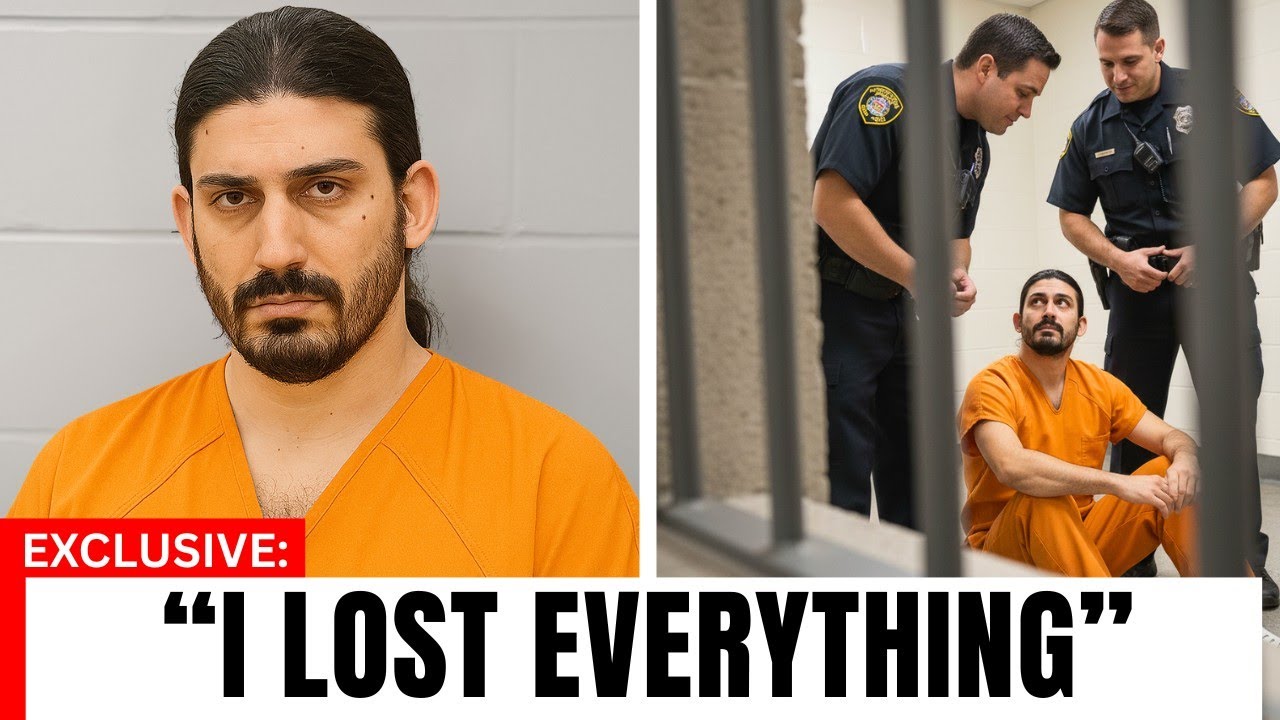 The courtroom erupted in cheers as Judge Jeffrey Fraser delivered the verdict, but the cheers masked a deeper horror—Abulaban’s life behind bars is poised to be a relentless nightmare. The prison system, designed to break men, awaits him with open arms, ready to strip away any remnants of his former identity.
Abulaban was transferred from San Diego County Jail to California State Prison in Los Angeles County, a maximum-security facility notorious for its overcrowding and violence. With a population exceeding 3,000 inmates in a space meant for only 2,300, tension runs high, and danger lurks around every corner.
Upon arrival, Abulaban faced a stark reality: he is no longer the celebrated TikTok star but merely inmate Abulaban, a target for violence and ridicule. His celebrity status, once a source of fame, now marks him as prey in a predatory environment.
Each day begins with the harsh buzz of a morning alarm, jolting him from restless sleep in a cell barely larger than a bathroom stall. The air is thick with the stench of sweat and despair, and the oppressive heat turns the concrete walls into an oven.
Abulaban must endure a grueling daily routine, lining up for counts and navigating the chaotic social hierarchy of prison life. Every meal is a gamble; where he sits and who he talks to could mean the difference between safety and violence.
In prison culture, domestic violence offenders occupy a precarious position. While not as reviled as child killers, they are seen as weak, and weakness is blood in the water. Abulaban’s crime carries a heavy weight, and the whispers of his past echo through the prison halls.
His once-admiring fans have transformed into fellow inmates who mock him, quoting his old videos with cruel twists. The psychological torture is relentless; he is trapped in a world where his past fame becomes a weapon against him.
As he faces the daily grind of prison work, earning mere pennies for labor, Abulaban grapples with a crushing realization—there is no hope for redemption. Unlike many inmates who cling to the possibility of parole, he has none.
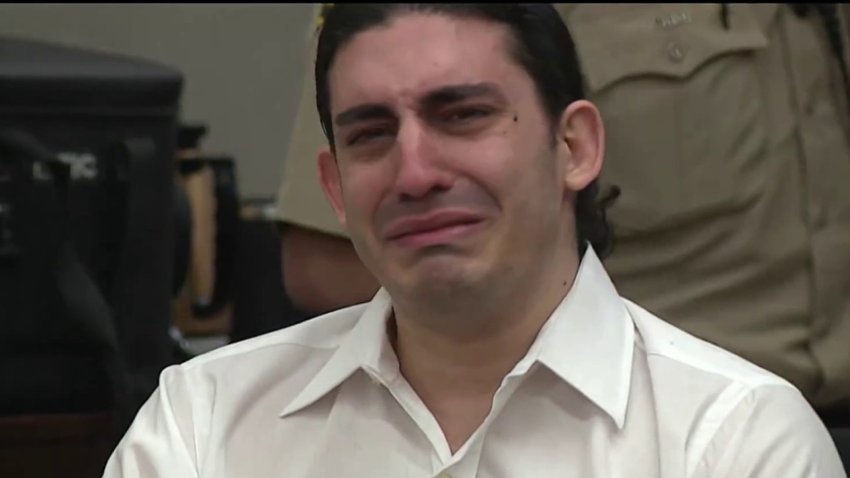
The psychological toll of life without parole is staggering. Abulaban must confront the consequences of his actions daily, burdened by the knowledge that he will never see his daughter grow up or experience the simple joys of life outside prison walls.
The isolation is suffocating. Though surrounded by thousands of inmates, he cannot trust anyone. Each day is a battle against the chaos and violence that define prison life, and the threat of physical harm is ever-present.
As he lies on a thin mattress, staring at the concrete ceiling, he is forced to remember Anna and Raburn, the lives he shattered in a moment of rage. The weight of his actions is a constant reminder of the family he destroyed.
The families of Anna and Raburn continue to suffer, their grief a wound that will never heal. In contrast, Abulaban’s existence is a slow erosion of the soul, a punishment that stretches into the foreseeable future.
Judge Fraser’s words ring true—Abulaban will die in prison. This is not just a sentence; it is a prophecy of suffering, a fate worse than death. As he faces decades of despair, the world outside will continue to move on, leaving him in a hell of his own making.
This is the grim reality of life for the TikTok star turned killer. Abulaban’s infamy is now a curse, and with each passing day, he faces the consequences of choices made in a fleeting moment of jealousy.