As the NBA postseason gets underway, attention is already shifting toward the upcoming offseason and potential roster changes across the league. Veteran stars LeBron James of the Los Angeles Lakers, Giannis Antetokounmpo of the Milwaukee Bucks, and Kawhi Leonard of the Los Angeles Clippers are at the center of discussions regarding their futures with their current franchises.
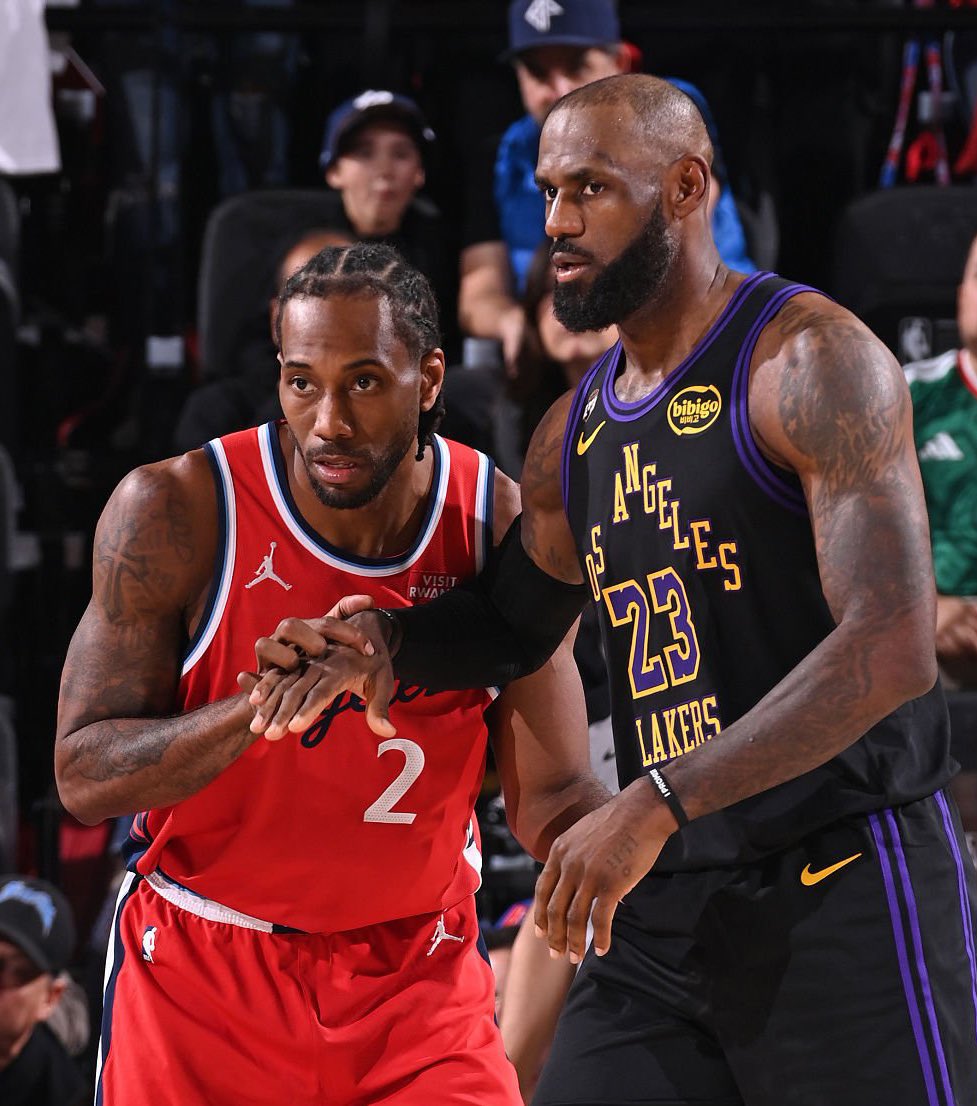
According to longtime NBA insider Marc Stein, there is increasing anticipation among front offices that at least two — and possibly all three — of these high-profile players could land with new teams next season. James is the only one eligible to become an unrestricted free agent on June 30, while Antetokounmpo and Leonard were the subject of trade inquiries before the February 5 deadline and are expected to draw further interest this summer.
Stein noted in his reporting that “there is a growing anticipation in numerous front offices, league sources say, that two or even all three of the above marquee names could land with new teams next season.” He added that the combination of potential player movement, a highly anticipated draft, and possible coaching changes points to a particularly active offseason.
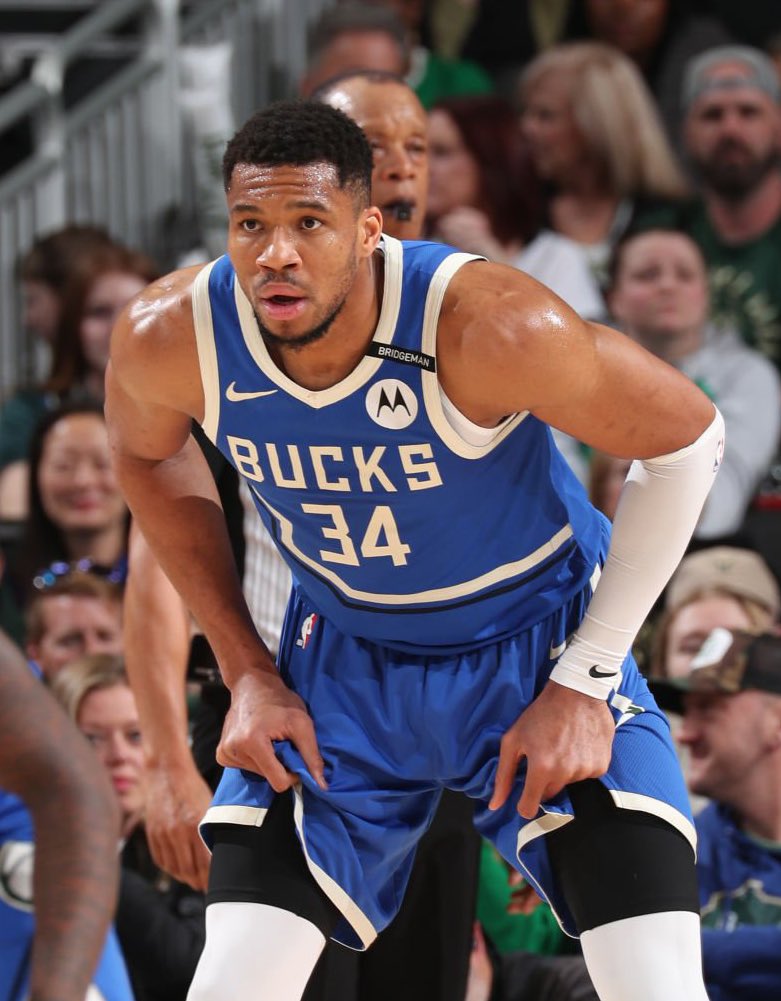
This speculation comes as James prepares the Lakers for a first-round playoff series against the Houston Rockets, while the Clippers face the Golden State Warriors in the Play-In Tournament. Antetokounmpo, meanwhile, continues to evaluate his long-term situation in Milwaukee, where the Bucks have reportedly been open to listening to trade offers.
In the broader context of NBA player movement, such developments reflect the league’s evolving contract and trade ecosystem. Rising salary caps, luxury tax considerations, and shifting team-building strategies often lead veteran stars to reassess their situations, especially when contending windows or personal goals do not fully align with their current organizations.
From a psychological perspective, navigating contract years and trade rumors at this stage of a decorated career can create unique mental challenges. Sports psychologists observe that elite athletes frequently weigh factors such as legacy preservation, family stability, competitive opportunities, and post-career planning while managing public scrutiny and performance expectations. The ability to maintain focus amid uncertainty provides insight into resilience and decision-making processes studied in high-performance environments.
The situation also touches on broader questions within the NBA’s professional framework. With multimillion-dollar contracts and significant organizational investments, the balance between individual player autonomy and team planning continues to evolve. James, Antetokounmpo, and Leonard — who collectively boast seven championships, six MVP awards, 36 All-NBA selections, 18 All-Defensive honors, and 39 All-Star appearances — represent how accomplished athletes operate within a system that requires ongoing evaluation of value, availability, and long-term fit.
Ethically, the conversation invites consideration of the pressures modern stars face in balancing personal career aspirations with franchise expectations and fan loyalty. As medical advancements and analytics improve player management, the gap between available resources and consistent application across different organizations remains an area of interest for league executives and analysts alike.
As the playoffs progress and the offseason approaches, these potential moves could reshape the competitive landscape for years to come.