As the NBA season progresses, attention around LeBron James has increasingly shifted toward the broader framework of player movement, contract structures, and long-term roster planning. Rather than focusing solely on wins and losses, league observers are closely examining how financial flexibility, team performance trends, and front-office strategy could shape decisions in the upcoming offseason.
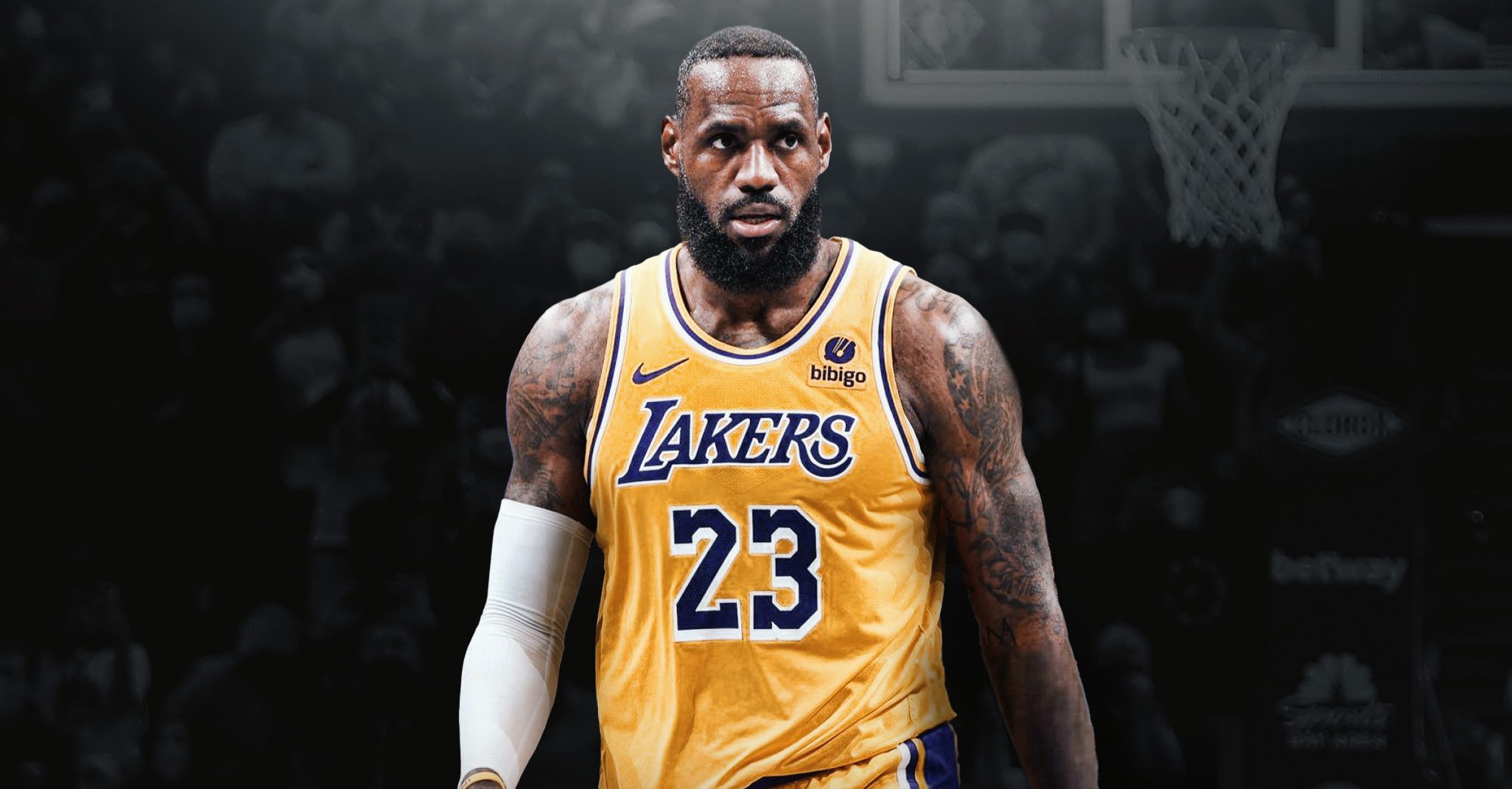
For the Los Angeles Lakers, the conversation is less about short-term fluctuations and more about how the organization positions itself within the evolving salary cap environment. Like many franchises navigating the modern NBA, the Lakers must balance competitiveness with financial sustainability—factors that directly influence how veteran players evaluate their future.
Earlier in the season, the team experienced a stretch of inconsistent results, winning roughly half of its games across December, January, and February. During that period, some analysts began to explore the possibility that James could consider alternative paths, including a potential return to the Cleveland Cavaliers, where he began his career.
However, a stronger run of performances in March appeared to stabilize the situation, at least temporarily. Even so, recent reporting from NBA insider Marc Stein has indicated that league executives continue to monitor the situation closely. According to Stein, there is “growing anticipation” among various front offices that several high-profile players—including James—could be part of significant roster changes next season.
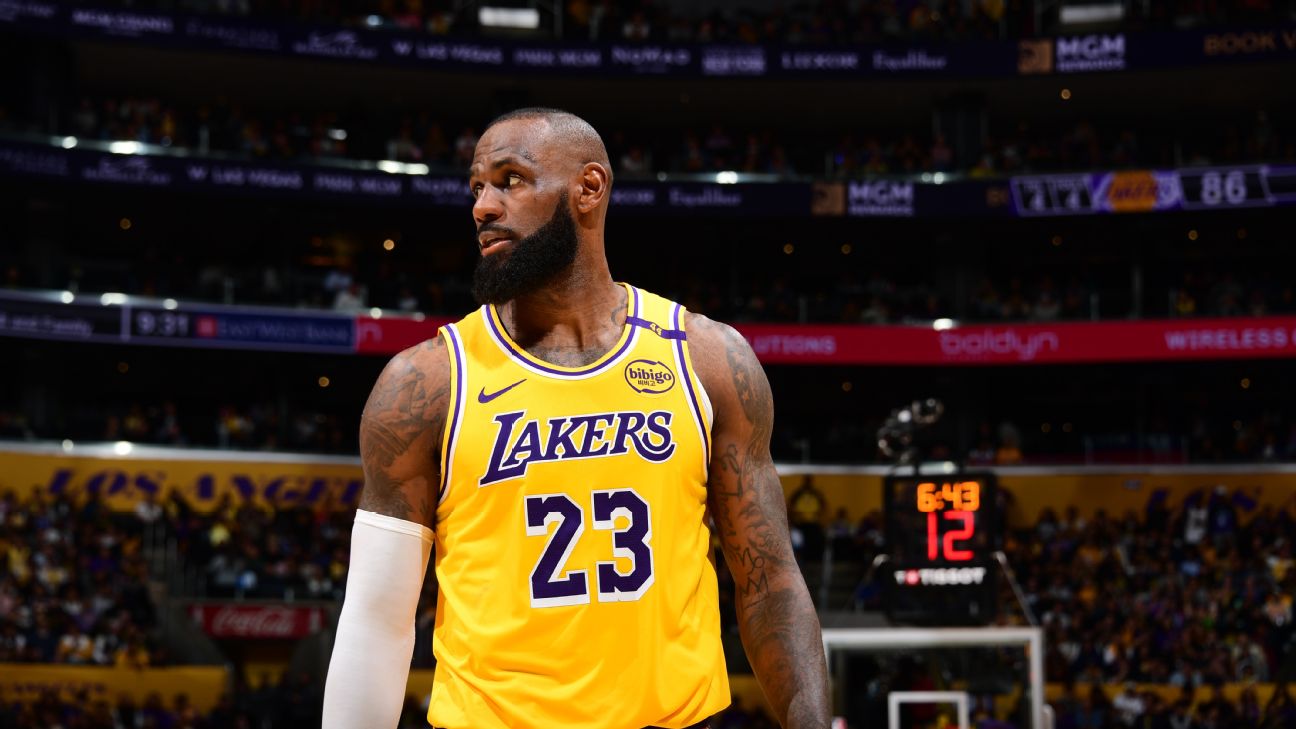
From a contractual standpoint, James is expected to enter free agency at the conclusion of the current season. This opens the door to multiple scenarios, though each comes with distinct financial and competitive considerations. While teams like Cleveland or even the Golden State Warriors may be viewed as potential destinations, their salary cap limitations could restrict the size of any offer extended to a veteran player of James’ caliber.
By contrast, the Lakers are projected to have substantially more cap space available—potentially around $50 million. This creates a structural advantage in negotiations, as it allows the franchise to offer a significantly higher contract, even if it involves adjustments to fit within long-term planning goals. In practical terms, financial incentives often play a decisive role in late-career decisions, particularly when combined with legacy considerations and team competitiveness.
There is also the broader question of career timeline. At this stage, discussions around retirement inevitably surface, though league sentiment suggests that an immediate departure from the game remains unlikely. Instead, the focus appears to be on how experienced players like James evaluate their final seasons within the context of both performance and personal priorities.
From a psychological and organizational perspective, decisions of this magnitude extend beyond individual preference. Veteran athletes often weigh factors such as team culture, stability, championship potential, and personal legacy. For franchises, retaining or acquiring a player of this stature influences not only on-court performance but also brand value, fan engagement, and long-term strategic direction.
The situation also highlights ongoing debates within the NBA’s economic system. The balance between player mobility and team-building continuity continues to shape how fans and analysts interpret these transitions. Should financial flexibility outweigh loyalty and legacy? Or should teams prioritize stability even in a league increasingly defined by movement?

As the offseason approaches, the case of LeBron James serves as a lens into these broader dynamics—where contract structures, competitive ambition, and personal decision-making intersect. The outcome may ultimately depend less on speculation and more on how these interconnected factors align in the months ahead.
In a league driven by both business realities and individual legacy, how should teams and players navigate the balance between financial opportunity and long-term identity?