The NBA’s play-in tournament has become a defining feature of the league’s postseason structure, reshaping how teams qualify for the playoffs and how players manage late-season performance. Designed to increase competition and maintain engagement across the standings, the format has drawn a range of responses from players, coaches, and analysts navigating its impact on scheduling and preparation.
For the Los Angeles Lakers, the evolving structure of the Western Conference has made postseason positioning increasingly complex. Teams must balance regular-season performance with the uncertainty of the play-in format, particularly in a conference known for its depth and competitiveness. Injuries, roster adjustments, and late-season momentum often play a significant role in determining whether a team secures a direct playoff spot or must compete for entry.
LeBron James, who has experienced the play-in tournament in previous seasons, recently shared his perspective on the system during an appearance on the “Mind the Game” podcast. His comments reflect a broader conversation among veteran players about workload management and the strategic advantages of avoiding additional high-stakes games before the playoffs begin.

While acknowledging the entertainment value of the play-in tournament, James noted that not having to participate this year allows for a different kind of preparation. With more time between the end of the regular season and the start of the playoffs, players can focus on recovery, film study, and game planning—factors that are often limited when teams must compete immediately in elimination scenarios.
“I am happy… that I get to sit back… knowing I don’t have to play until the weekend,” James said, describing how he plans to watch the games while preparing for the postseason.
From a team operations standpoint, the distinction between play-in teams and those that qualify directly for the playoffs can be significant. Additional games introduce both opportunity and risk: teams gain momentum through competitive reps, but also face increased fatigue and potential injuries. For coaching staffs, this dynamic requires careful planning around rotations, rest, and matchup analysis.
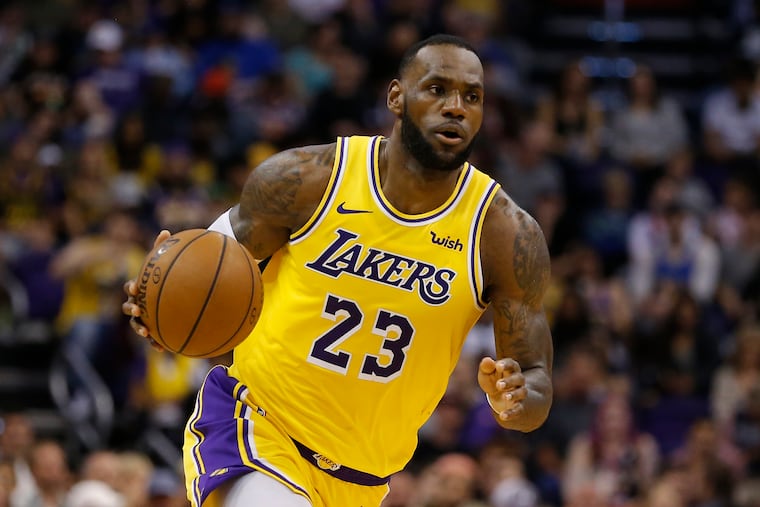
The Lakers’ recent seasons illustrate how fluctuating roster health can influence postseason pathways. Competing in the Western Conference often means that even strong teams may find themselves near the play-in threshold due to tight standings. This reality has contributed to ongoing debate about whether the format rewards consistency or amplifies short-term performance swings.
Competitive Structure and Player Psychology
From a psychological perspective, the play-in tournament introduces a unique pressure dynamic. Unlike a traditional playoff series, where teams have multiple games to adjust, the play-in format often involves single-elimination or limited opportunities. This can heighten stress for players while also creating a sense of urgency that differs from standard postseason play.
Sports analysts note that veteran players may view the additional games as both mentally and physically taxing, particularly after an 82-game regular season. Conversely, younger teams or lower-seeded squads may benefit from the opportunity to compete for a playoff spot they might not have reached under previous formats.
For players like James, who have extensive postseason experience, the value of preparation time becomes increasingly important. Extra days without competition can support recovery and strategic planning, potentially influencing performance in early playoff rounds.
Broader Debate Around Fairness and Format
The introduction of the play-in tournament has also prompted ongoing discussion about fairness and competitive balance. Supporters argue that it increases late-season engagement and reduces incentives for teams to underperform. Critics, however, question whether teams with stronger regular-season records should face additional risk to secure a playoff position.
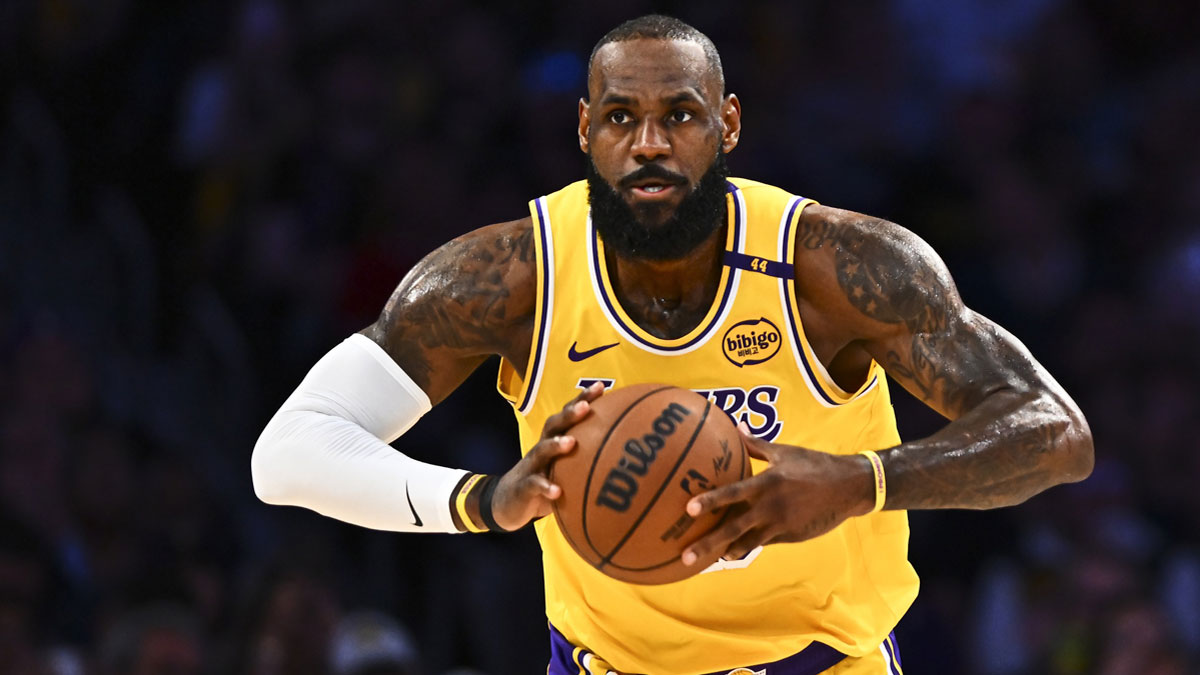
The NBA has continued to evaluate the format’s effectiveness, weighing fan engagement metrics against player feedback and competitive outcomes. As the league evolves, the balance between entertainment value and competitive integrity remains a central consideration.
Looking Ahead to the Playoffs
As the Lakers prepare for their first-round matchup against the Houston Rockets, their position outside the play-in tournament provides a clearer path to game planning. Entering the postseason as the fourth seed, the team faces a challenging opponent while benefiting from additional preparation time.
James’ comments, while light in tone, underscore a practical reality within the league: the structure of the postseason can meaningfully influence how teams approach both the end of the regular season and the beginning of playoff competition.

As the NBA continues to refine its format, the play-in tournament remains a focal point for discussion among players, teams, and fans. In a league defined by both performance and structure, how should competitive systems balance excitement, fairness, and the physical demands placed on athletes over the course of a season?