As the Los Angeles Lakers and Houston Rockets prepare to meet in the opening round of the 2026 NBA Playoffs, the spotlight extends beyond a single game to a broader evaluation of two defining careers. The matchup between LeBron James and Kevin Durant offers an opportunity to revisit a long-running competitive dynamic shaped by performance metrics, team structures, and postseason outcomes.

Rather than focusing solely on individual narratives, analysts are framing this series within the context of roster construction, injury status, and strategic depth. With key contributors unavailable, including Luka Dončić and Austin Reaves, the Lakers enter the series facing structural challenges that may influence both game planning and player utilization.
Historically, James and Durant have met in several high-stakes playoff environments, most notably during three NBA Finals matchups. These series—spanning 2012, 2017, and 2018—are often used as benchmarks for comparing their postseason impact, though outcomes were shaped by broader team dynamics as much as individual performance.
Across all head-to-head regular season games, James holds a statistical edge, with more total wins in direct matchups. However, postseason data presents a different picture. Durant leads in playoff victories between the two, reflecting how team composition and situational factors can shift results in high-pressure environments.
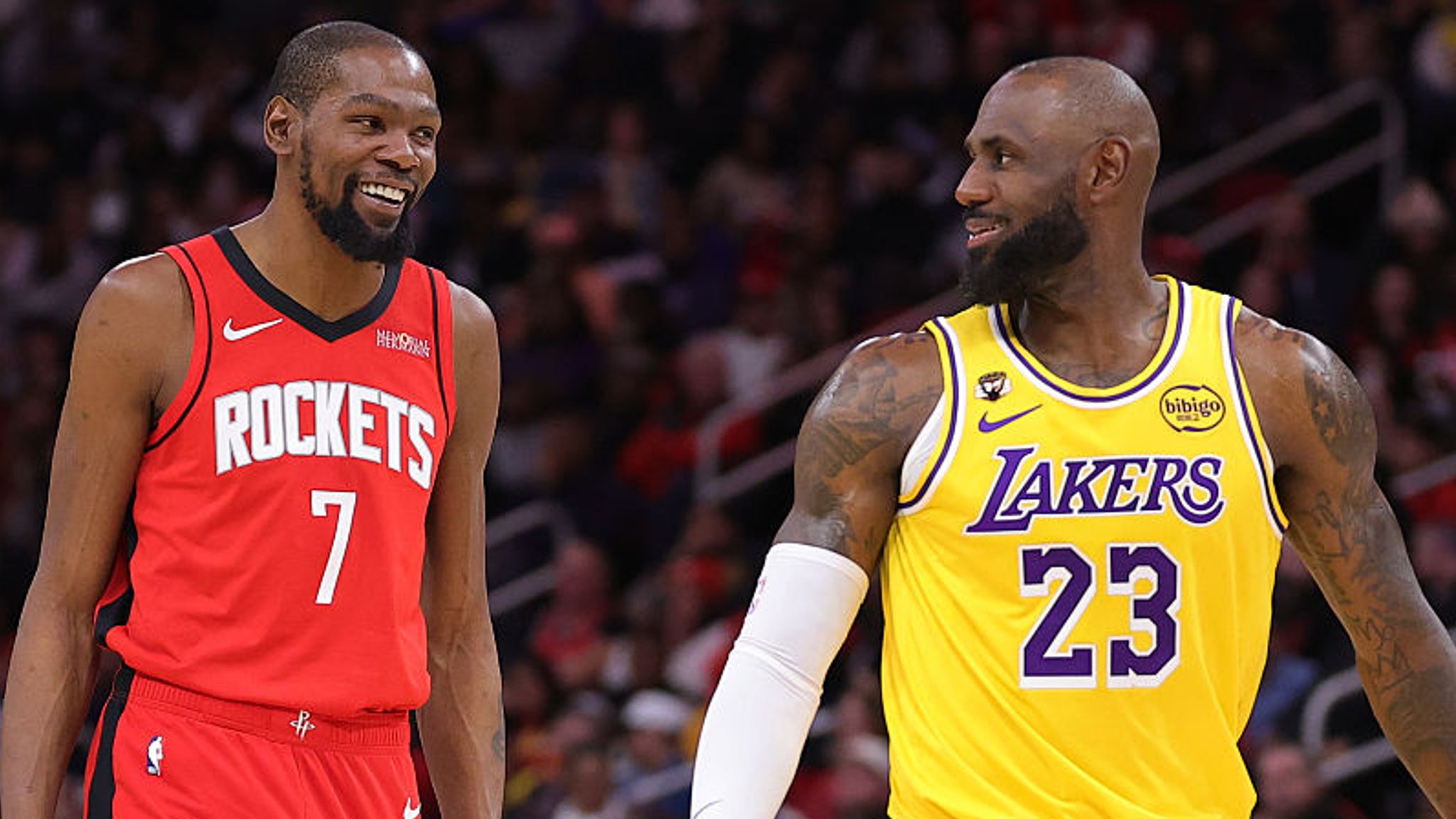
A closer look at the 2012 Finals illustrates how performance evaluation extends beyond scoring totals. Durant recorded higher points per game, while James contributed across multiple categories, including rebounds and assists. That series concluded with James securing his first championship, highlighting how team execution and versatility can influence outcomes.
In contrast, the 2017 and 2018 Finals demonstrated the role of roster depth. Durant, then playing alongside Stephen Curry, Klay Thompson, and Draymond Green on the Golden State Warriors, benefited from a system with multiple scoring and defensive options. James, representing the Cleveland Cavaliers, delivered high individual output, including a triple-double average in 2017, but faced limitations related to roster depth and available support.
The 2018 series further underscored this dynamic. While James posted strong all-around numbers, the absence of key contributors reduced the team’s overall scoring distribution. Durant’s production, combined with a more balanced supporting lineup, contributed to the series outcome. These examples are frequently cited in discussions about how team infrastructure affects individual legacies.
Looking ahead to the 2026 first-round series, similar structural considerations are emerging. The Lakers’ current injury situation may require adjustments in rotation, pace, and defensive schemes. For James, now in the later stage of his career, the question is less about isolated performance and more about how effectively he can operate within evolving team constraints.
Performance Psychology and Competitive Longevity
From a sports psychology perspective, matchups between veteran athletes often involve factors beyond physical metrics. Studies on elite performance suggest that experience, decision-making efficiency, and adaptability can offset age-related changes in physical output. In this context, both James and Durant represent models of sustained high-level performance, with their approaches to preparation and in-game adjustment frequently analyzed by coaches and analysts.
The concept of “cognitive endurance”—the ability to process complex game situations under pressure—becomes particularly relevant in playoff settings. Veteran players may rely more heavily on anticipation, positioning, and leadership communication, especially when team rosters are affected by injuries or inconsistencies.
Team Strategy and League Context
From an organizational standpoint, playoff outcomes are often determined by depth, role clarity, and system cohesion rather than individual comparisons alone. The Lakers’ ability to adapt without key contributors will likely shape the trajectory of the series, while the Rockets’ roster balance could provide a contrasting model of team construction.
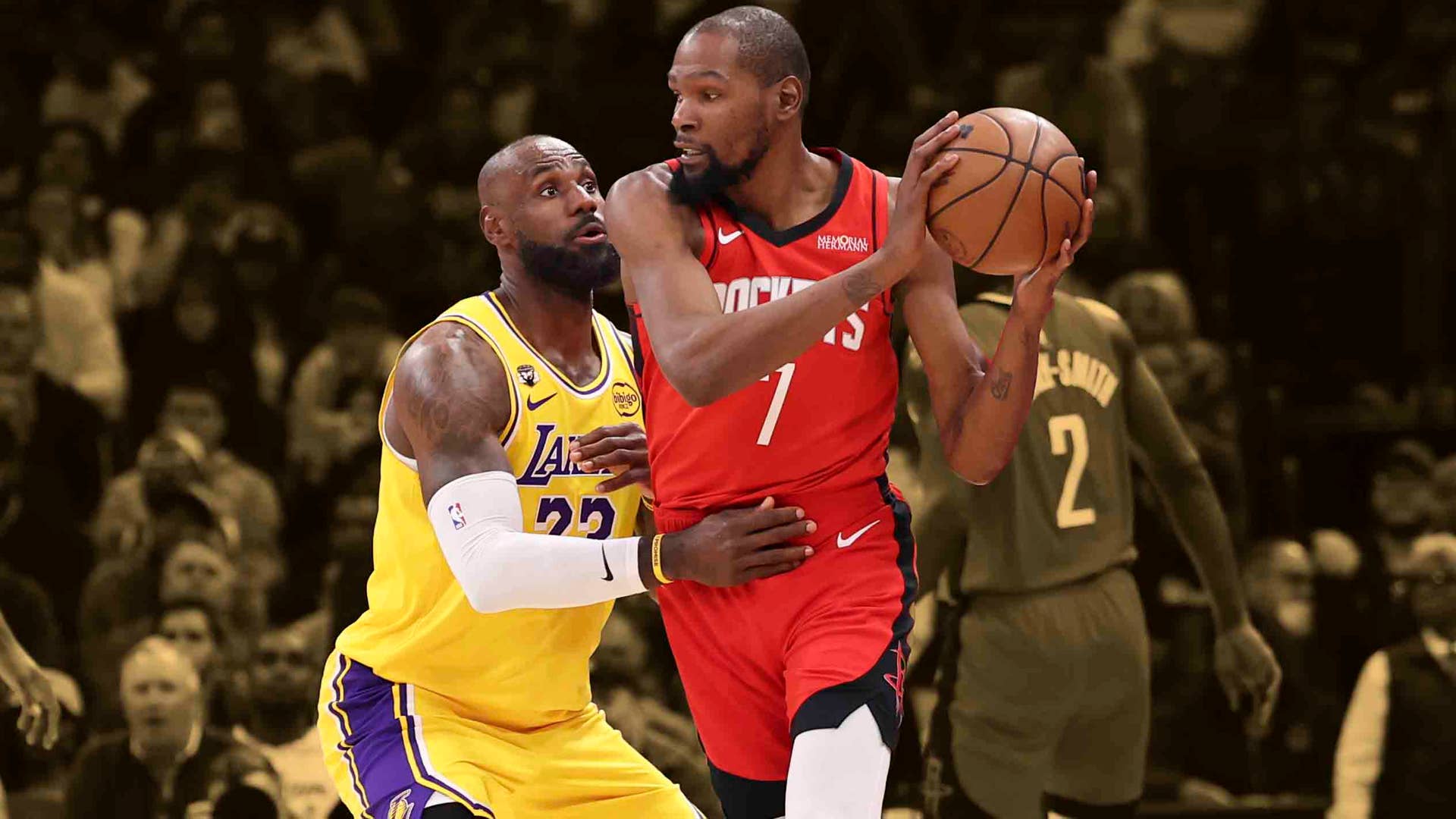
League-wide, this matchup also reflects broader trends in roster building, including the balance between star-driven systems and distributed scoring models. Financial constraints, player health, and long-term planning all intersect during the postseason, influencing not only immediate results but also offseason decision-making.
As Game 1 approaches, the focus remains on execution, adjustments, and sustainability over a multi-game series. While historical data provides context, each playoff run introduces new variables that can redefine expectations.
With both individual legacies and team outcomes in play, the central question extends beyond a simple comparison: how much do structure, depth, and timing ultimately determine success when two of the NBA’s most accomplished players meet again on the postseason stage?