In a 𝓈𝒽𝓸𝒸𝓀𝒾𝓃𝑔 turn of events, James Broadnax faces execution on April 30, 2026, for a crime he may not have committed. His cousin, Demarius Cummings, has confessed to the murders that led to Broadnax’s conviction, claiming he manipulated his cousin into taking the fall. Time is running out.
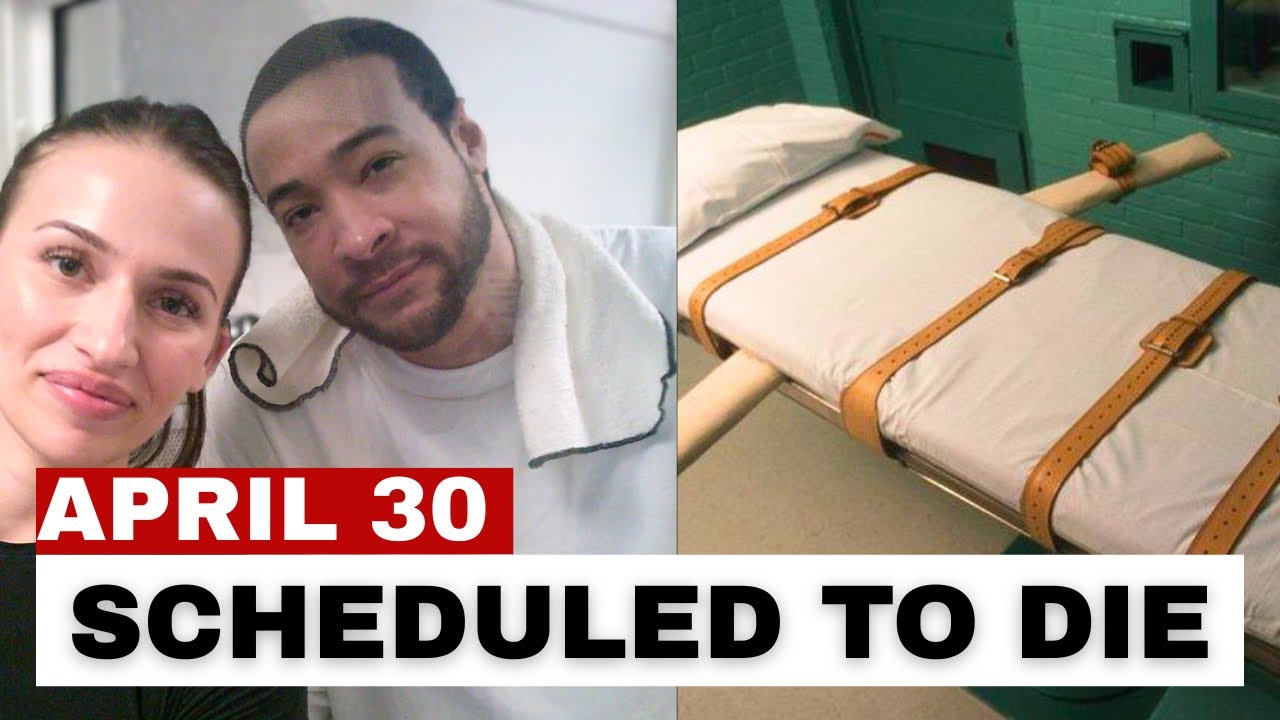 Broadnax, a 37-year-old man, has spent 17 years on Texas death row, awaiting lethal injection. The case centers around the brutal 2008 killings of two Christian music producers outside a recording studio in Garland, Texas. As the clock ticks down, the question looms: Did Texas convict the wrong man? On June 19, 2008, the bodies of Matthew Butler and Stephen Swan were discovered, both shot multiple times. The motive? A robbery gone wrong, netting just $2 in cash. Broadnax and Cummings were arrested hours later, driving the victims’ stolen car. The narrative quickly painted Broadnax as a remorseless killer. In the days following their arrest, Broadnax spoke to the media, boasting about the crime and claiming he had no conscience. Cummings, however, maintained he did not pull the trigger. Investigators initially believed Broadnax was guilty, but now, a new confession raises serious doubts.Cummings’ sworn statement reveals he was the shooter, claiming he coerced Broadnax into taking the blame due to his clean record. This confession comes just weeks before Broadnax’s scheduled execution, igniting a firestorm of legal activity and public interest.
DNA evidence from the murder weapon further complicates the case. Testing shows only Cummings’ DNA on the gun, while Broadnax’s DNA was excluded from critical areas of the evidence. The prosecution’s reliance on Broadnax’s rap lyrics as proof of his guilt has also come under scrutiny. Broadnax’s trial was marred by racial disparities in jury selection, raising questions about fairness and justice. The jury was predominantly white, and the trial lasted only two weeks before a guilty verdict was reached. Broadnax received a death sentence, while Cummings was sentenced to life without parole. As April 30 approaches, Broadnax’s legal team has filed an emergency appeal, armed with Cummings’ confession. High-profile figures, including musicians like Travis Scott and T.I., have rallied support, arguing that Broadnax’s execution would be a miscarriage of justice fueled by racial stereotypes.
The Texas Court of Criminal Appeals is expected to rule soon, but the clock is ticking. With just days left, the stakes couldn’t be higher. Broadnax’s fate hangs in the balance, and the possibility of a wrongful execution looms large. If the appeal succeeds, it could mark a significant moment in the fight against wrongful convictions in Texas. But as history has shown, miracles are rare in the American justice system, and time is running out for James Broadnax. As the world watches, the question remains: Will justice prevail before it’s too late? The truth may have taken 17 years to surface, but will anyone listen in time to save a life? The urgency of this case cannot be overstated as April 30 draws closer.