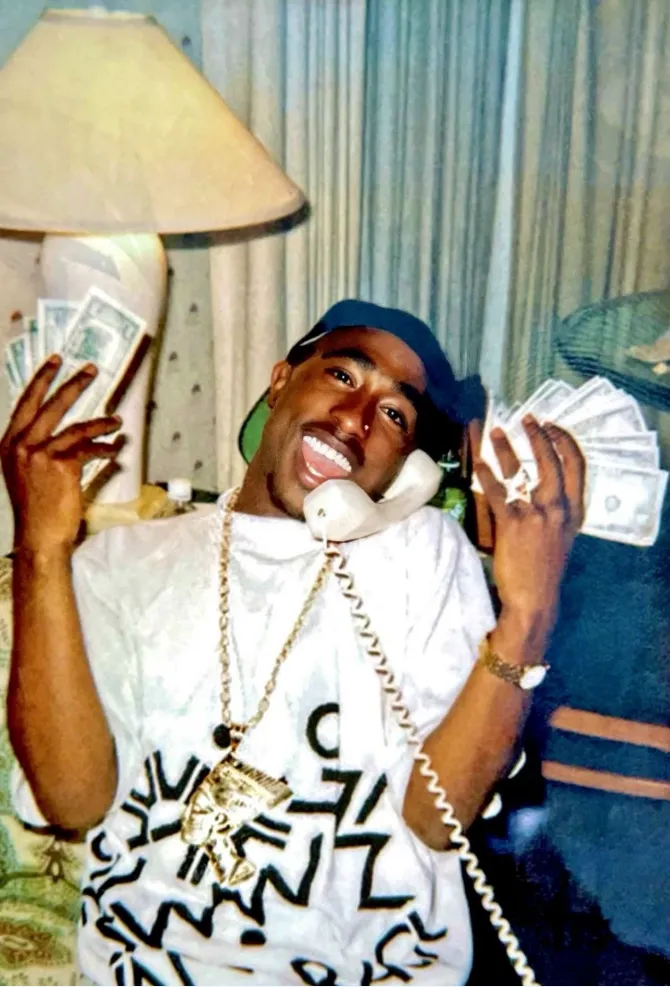
On September 7, 1996, the world lost Tupac Shakur, one of the most influential artists of his generation. He was just 25 years old when he was shot multiple times in a drive-by shooting in Las Vegas. Six days later, on September 13, he died from his injuries, leaving behind a legacy that continues to shape music, culture, and social commentary decades later.
What made Tupac’s death especially haunting was not only the loss itself, but the confusion and uncertainty that followed. From the very beginning, the circumstances surrounding the shooting were chaotic. Witnesses offered conflicting accounts, leads went cold, and rumors spread faster than confirmed facts. Over time, the case became one of the most discussed unsolved murders in modern American history.
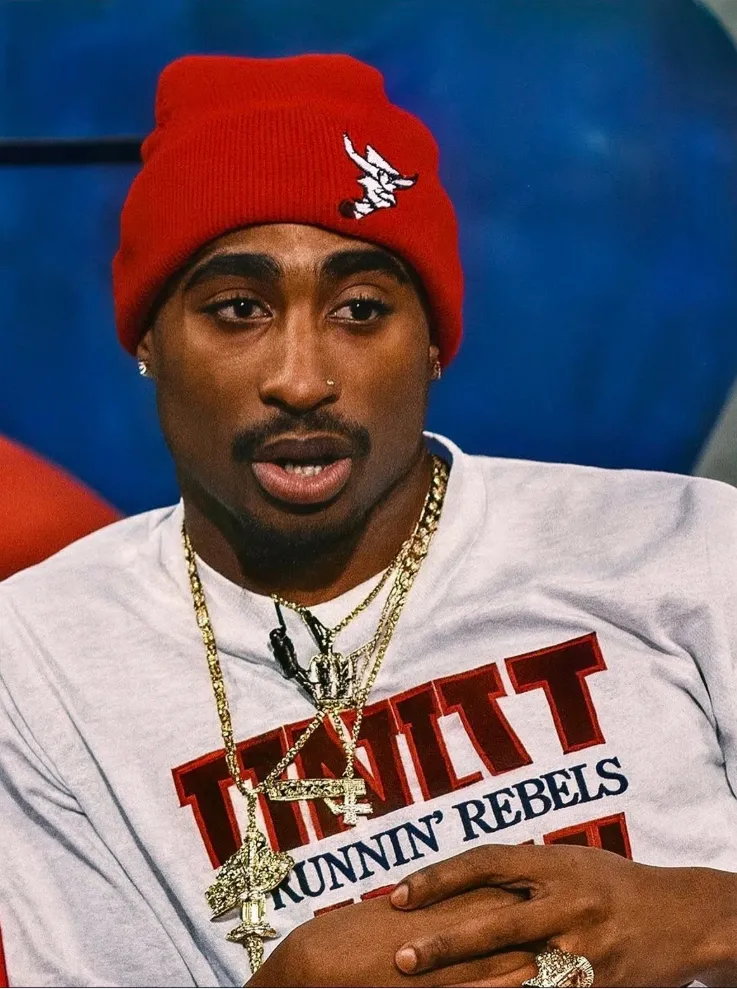
The night began with celebration. Tupac had traveled to Las Vegas to attend the heavyweight boxing match between Mike Tyson and Bruce Seldon at the MGM Grand Garden Arena. Tyson’s decisive victory energized the crowd, and Tupac was visibly animated as he left the venue with members of his entourage.
After the match, a confrontation took place inside the MGM Grand involving Tupac, members of Death Row Records, and a man later identified as Orlando Anderson, an alleged affiliate of the Southside Crips. Surveillance footage captured Tupac participating in the altercation, an event that would later be viewed as a possible trigger for what followed.
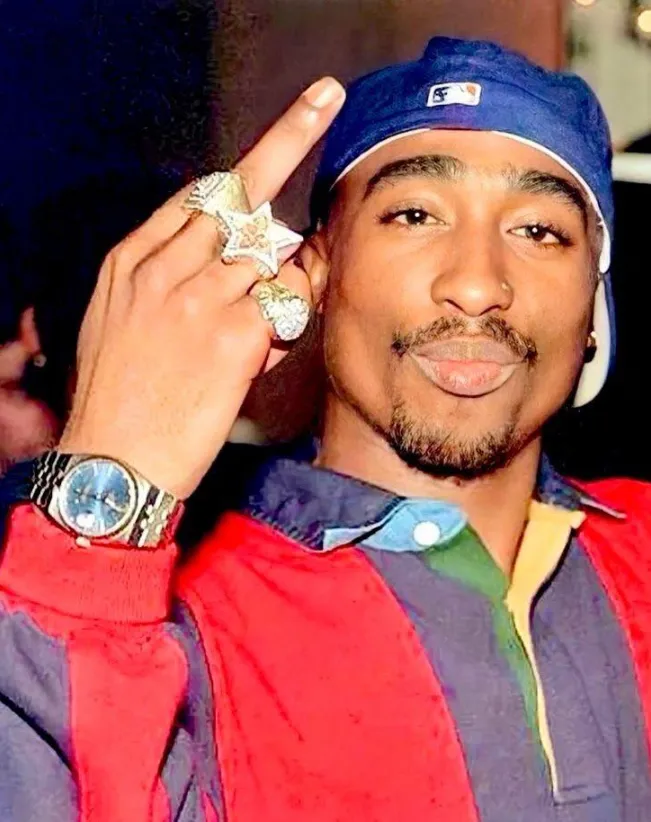
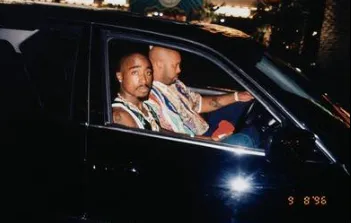
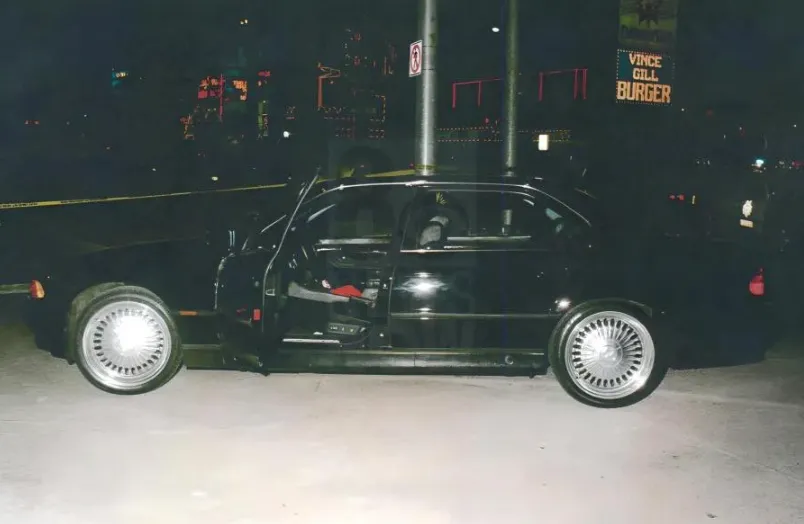
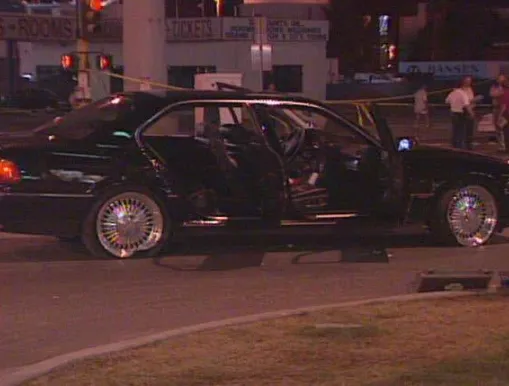
Later that night, Tupac rode in a black BMW driven by Suge Knight, the powerful and controversial head of Death Row Records. The two were heading toward a nightclub when they stopped at a red light near Flamingo Road and Koval Lane.
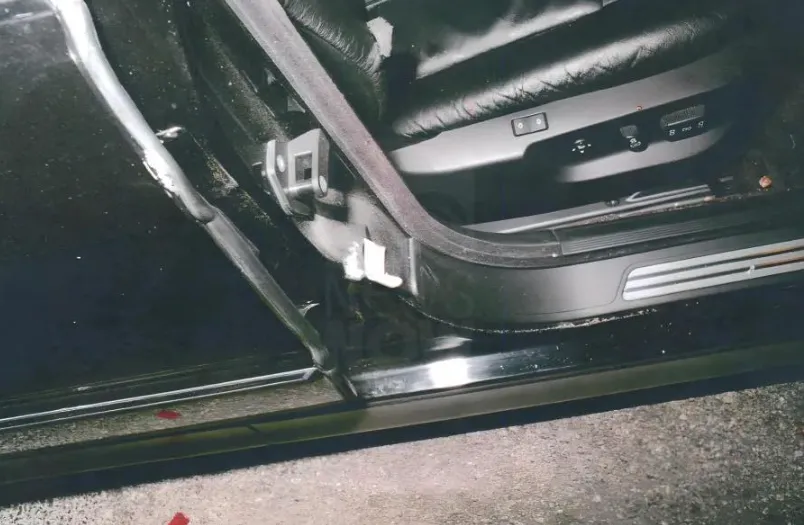
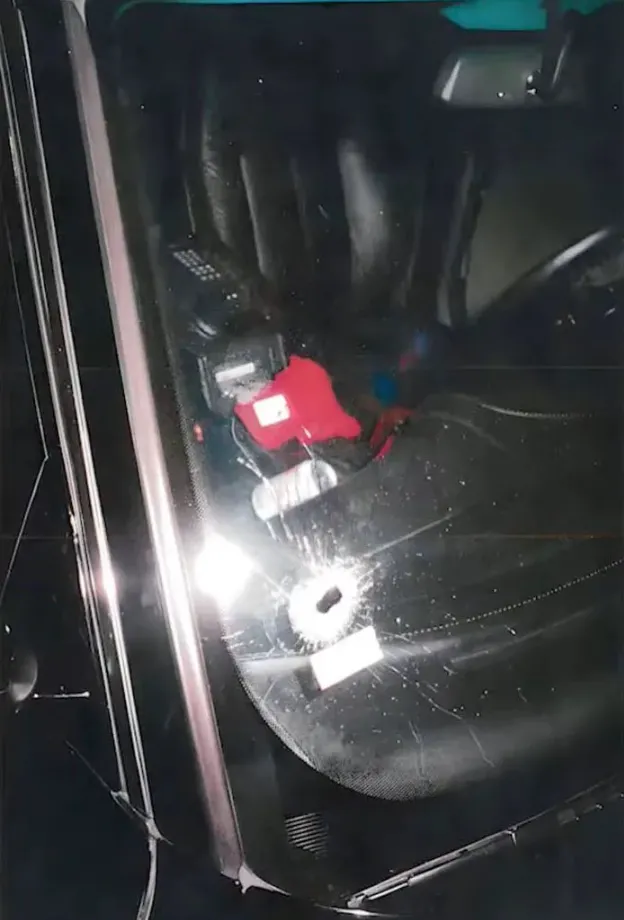
At that intersection, a white Cadillac pulled alongside the BMW. Moments later, gunfire erupted. Tupac was struck multiple times, while Suge Knight suffered a minor injury from either bullet fragments or debris. The Cadillac sped away, disappearing into the Las Vegas night, and leaving behind a crime scene that would confound investigators for years.
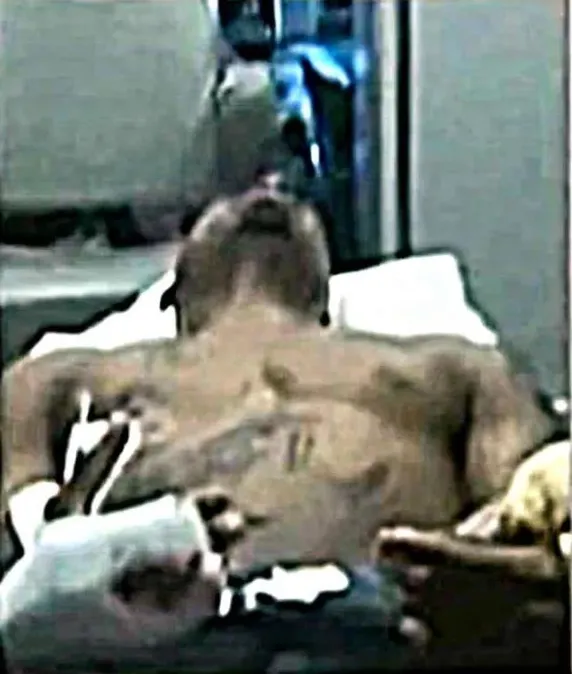
Tupac was rushed to University Medical Center of Southern Nevada, where doctors fought to save his life. He was placed on life support and heavily sedated as his condition fluctuated. Despite moments of cautious optimism, his injuries proved fatal, and he died six days later.
In the immediate aftermath, investigators focused on the MGM Grand altercation and potential gang involvement. Orlando Anderson quickly emerged as a person of interest, though he was never charged in Tupac’s death and denied responsibility before being killed in an unrelated incident two years later.
As time passed, the case expanded beyond the initial theory of gang retaliation. The murder unfolded during the height of the East Coast–West Coast rap feud, a rivalry that had escalated from lyrical competition into personal hostility. Tupac, closely associated with Death Row Records, had become one of the most outspoken figures in that conflict.
On the opposing side was Bad Boy Records, led by Sean Combs, widely known as Diddy. Tupac had publicly accused figures connected to Bad Boy of betrayal and manipulation, amplifying tensions that were already simmering within the industry.
Over the years, speculation grew that Tupac’s death may have involved more than a spontaneous act of retaliation. Some theorists suggested that industry rivalries, financial disputes, or fears over Tupac’s independence played a role. At the time of his death, Tupac was reportedly planning to leave Death Row Records, a move that could have reshaped the balance of power within hip-hop.
It is important to note that none of these industry-related theories have been supported by verified evidence. Law enforcement has never confirmed that music executives or record labels were directly involved in orchestrating the attack. Still, the combination of public feuds, financial stakes, and personal conflicts kept speculation alive.
For decades, the case remained officially unsolved. Witnesses were reluctant to cooperate, and key figures either died or refused to speak. Las Vegas police faced criticism for early investigative missteps, including delays in interviewing suspects and securing statements.
A major shift occurred in 2023, when authorities executed search warrants at the home of Duane Davis, also known as Keefe D. Davis had long been a figure of interest, having publicly discussed the events of the night in interviews and a memoir.
In those accounts, Davis claimed he was present in the white Cadillac and admitted to providing the firearm used in the shooting. Based on these statements and additional evidence, prosecutors charged Davis in connection with Tupac’s murder, marking the first time anyone had been formally charged in the case.
The announcement sent shockwaves through the music world. For many fans, it was the first sign that justice might still be possible, even decades later. Others viewed the charges with caution, noting that the identity of the actual shooter remains unconfirmed.
Davis’s trial is currently scheduled for February 2026. Prosecutors have indicated that their case relies heavily on Davis’s own admissions, corroborated by witness testimony and investigative findings. Defense attorneys, meanwhile, are expected to challenge the reliability of those statements and the long delay in prosecution.
Even with these developments, questions persist. Was the shooting purely an act of retaliation tied to the MGM fight. Did deeper forces influence the timing and execution of the attack. Why did it take so long for formal charges to be filed.
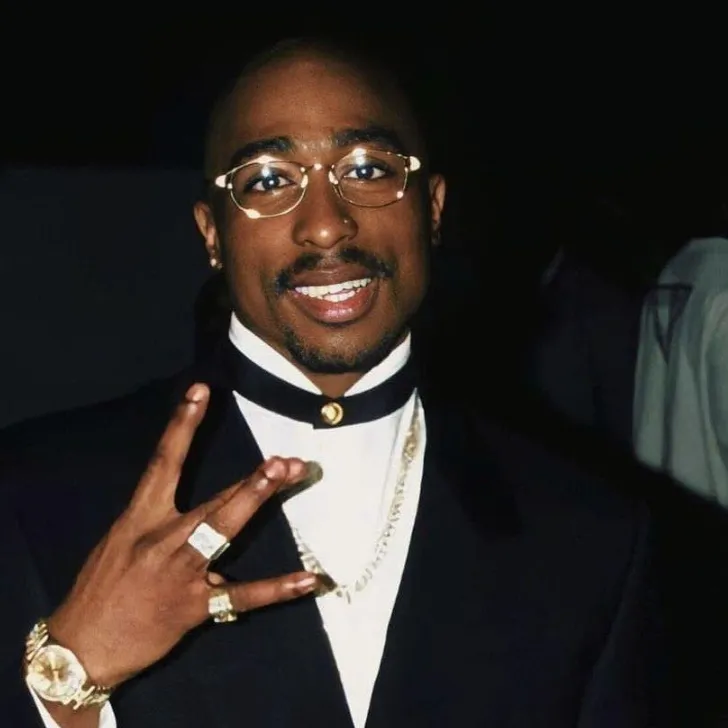
The case also raises broader questions about the culture of silence that surrounded the crime. Fear of retaliation, distrust of law enforcement, and the overlapping worlds of gangs and entertainment all contributed to decades of stalled progress.
Beyond the investigation, Tupac’s legacy has only grown. His music continues to resonate with new generations, addressing themes of inequality, resilience, and identity. His poetry, films, and activism cemented his role as more than a performer; he was a voice for those who felt unheard.
Tupac’s death marked a turning point in hip-hop history. In the years that followed, the industry reckoned with the consequences of unchecked rivalries and the real-world impact of public feuds. Many artists have since spoken about the need to move beyond conflict toward collaboration.
For fans, the reopening of the case is not about revisiting rumors, but about acknowledging the human cost of violence. Tupac was a son, a friend, and a creative force whose life ended far too soon.
As the legal process moves forward, authorities have emphasized restraint and accuracy. They have urged the public to distinguish between verified facts and long-standing speculation, especially as the trial approaches.
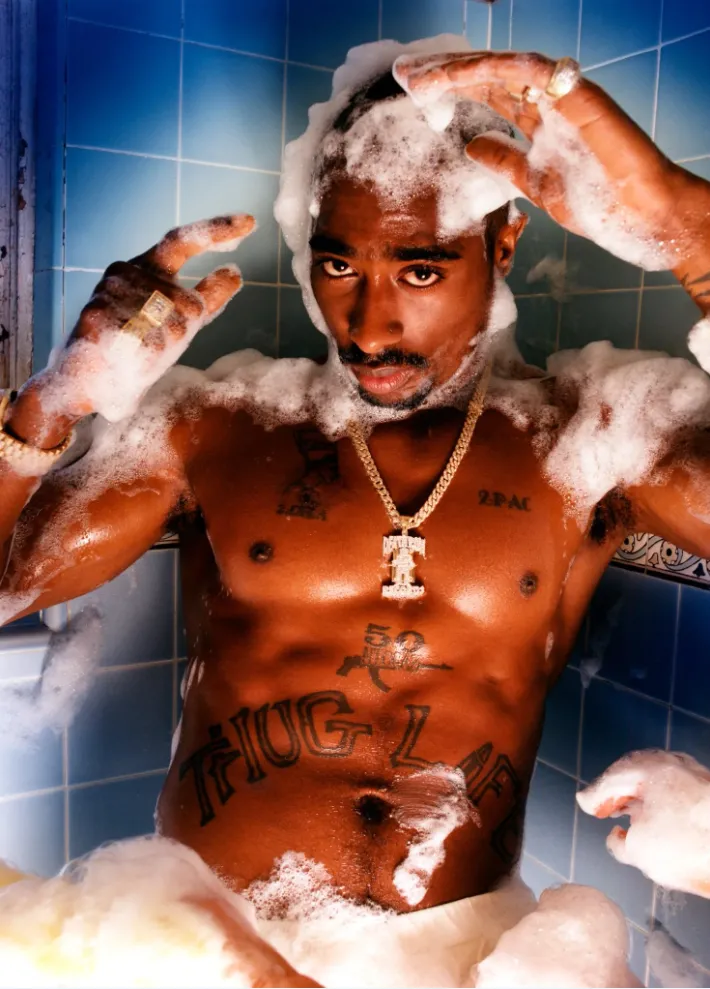
The murder of Tupac Shakur remains a case defined by complexity. It sits at the intersection of art, identity, conflict, and justice. Each new development brings hope, but also reminds the world how much remains unresolved.
Nearly three decades later, Tupac’s name still carries weight. His words are still quoted. His music still plays. And the questions surrounding his death continue to demand answers.
Whether the trial will finally close this chapter remains to be seen. What is certain is that Tupac Shakur’s life and influence endure, and the pursuit of truth in his case remains an important part of honoring that legacy.