The Los Angeles Lakers–Houston Rockets first-round playoff series has become a key case study in postseason adjustments, particularly following Kevin Durant’s return in Game 2 after missing the opener due to a knee contusion. His availability significantly influenced expectations around Houston’s offensive structure and overall series competitiveness.

From a league perspective, the matchup highlights how elite players returning from injury can shift defensive schemes and coaching strategies within a playoff environment. Durant’s presence immediately altered Houston’s spacing and shot creation responsibilities, especially in the early stages of Game 2.
In the first half of Game 2, Durant contributed efficiently, scoring 20 points while helping stabilize Houston’s offensive rhythm. However, the Lakers implemented more aggressive second-half defensive rotations, increasing pressure on ball movement and limiting high-percentage looks. This shift contributed to Houston’s offensive decline in efficiency, including increased turnovers and reduced scoring output in critical possessions.
LeBron James played a central role in the Lakers’ overall performance, finishing with 28 points, eight rebounds, and seven assists. Following the game, he addressed the defensive adjustments made against Durant in the second half, framing them as part of a standard playoff response rather than a definitive strategic solution.
From an analytical standpoint, James emphasized that elite players such as Durant typically respond to defensive pressure with adjustments of their own in subsequent games. This reflects a broader understanding within professional basketball that playoff series are highly adaptive, with each game influencing tactical decisions in the next.

Houston’s coaching staff, led by Ime Udoka, is expected to evaluate offensive efficiency trends after struggling to maintain consistent scoring across the first two games of the series. Shot selection, spacing decisions, and usage patterns are likely to be reviewed as part of standard postseason adjustments. Analysts have noted that offensive stagnation in playoff settings often requires structural changes rather than minor in-game corrections.
On the Lakers’ side, perimeter shooting efficiency has played a major role in early success. High three-point conversion rates across the first two games have created additional spacing advantages, allowing for more flexible defensive positioning and transition opportunities. Role players stepping into scoring contributions have also influenced rotation stability and offensive balance.
From a psychological and performance perspective, playoff series involving high-profile athletes like Durant and James often draw attention to momentum management and emotional regulation. Sports psychology research frequently highlights how elite competitors process defensive pressure, media narratives, and in-game adjustments as part of sustained performance at the highest level.
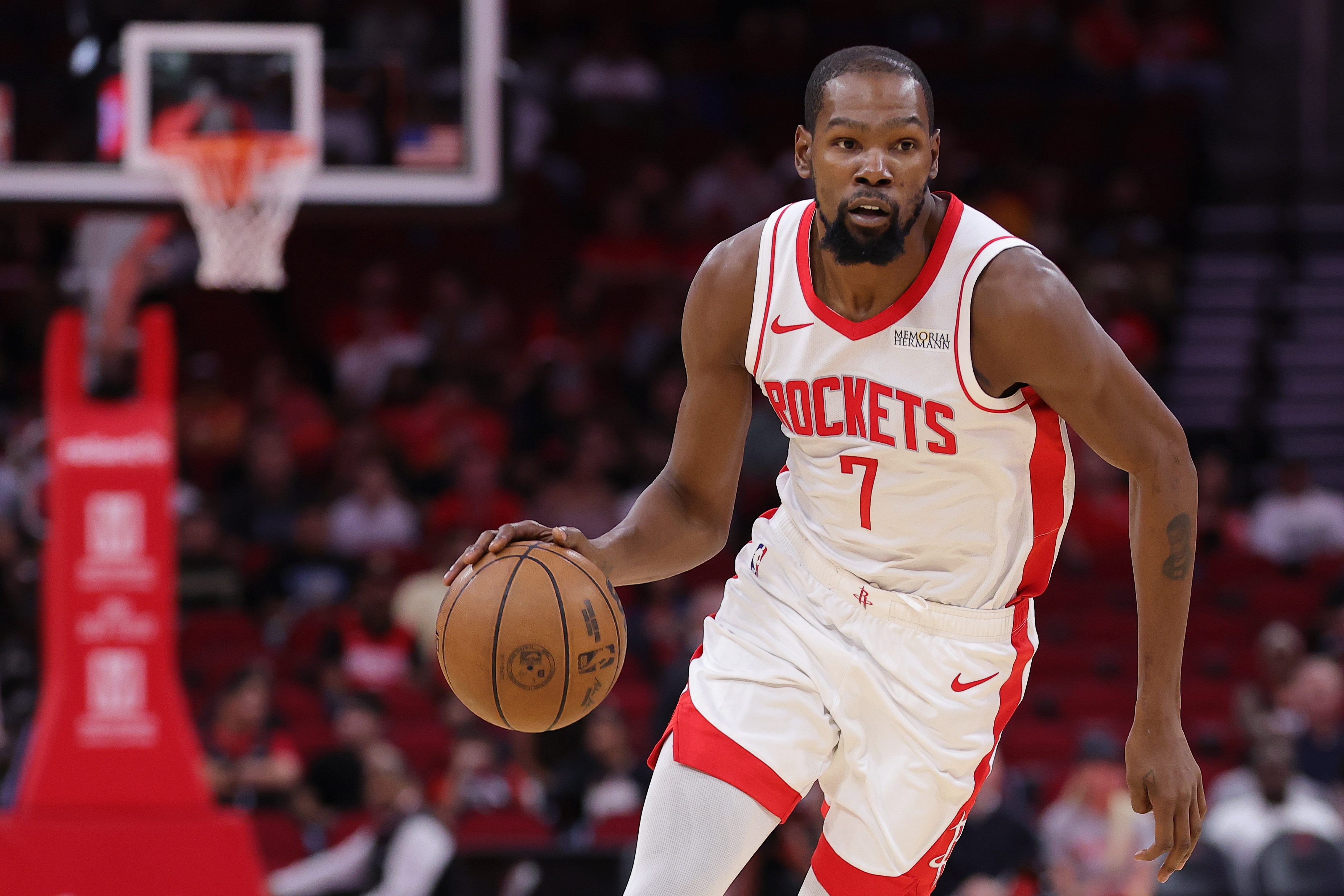
This series also raises broader discussions about competitive balance, coaching adaptability, and the role of veteran leadership in postseason basketball. The way teams respond to early-game outcomes often becomes a defining factor in how a series develops over time.
As the series continues, attention will remain on how both teams adjust strategically in Game 3, particularly in terms of offensive spacing, defensive coverage schemes, and workload distribution across key players. What remains uncertain is how each coaching staff will adapt to the evolving tactical demands of the matchup—and what those adjustments reveal about modern NBA playoff strategy moving forward.