Aries Spears has reignited the long-standing debate over basketball greatness, taking a bold stance against LeBron James while defending Michael Jordan. In a fiery reaction to Byron Scott’s recent comments, Spears made it clear that, despite his respect for LeBron, he believes MJ remains the undisputed GOAT.
 Spears didn’t just dip his toes into the waters of controversy; he cannonballed in, challenging the very foundation of the LeBron versus Jordan debate. With a passionate delivery, he argued that the statistics that bolster LeBron’s case fail to capture the intangible qualities that made Jordan a legend.
The comedian’s remarks struck a nerve, emphasizing a psychological edge that Jordan held over opponents—a fear and dominance that he believes LeBron has yet to replicate. Spears’ assertion that Jordan controlled the game in a way that made victory seem inevitable has sent fans into a frenzy, reigniting the age-old debate with renewed vigor.
Critics of LeBron often point to his career’s longevity and versatility, yet Spears argues that those attributes can’t overshadow the sheer impact Jordan had during his prime. He highlighted that while LeBron has accumulated impressive stats, the emotional resonance of Jordan’s legacy remains unmatched.
What makes Spears’ comments particularly compelling is the context of Byron Scott’s perspective as a former player. Scott’s insights lend weight to Spears’ argument, suggesting that the opinions of those who lived through the Jordan era carry more significance than mere fan debates.
As the conversation evolves, Spears insists that the debate is not just about numbers but about how greatness is defined. He believes that the emotional connection fans have with Jordan’s era plays a crucial role in shaping perceptions of greatness.
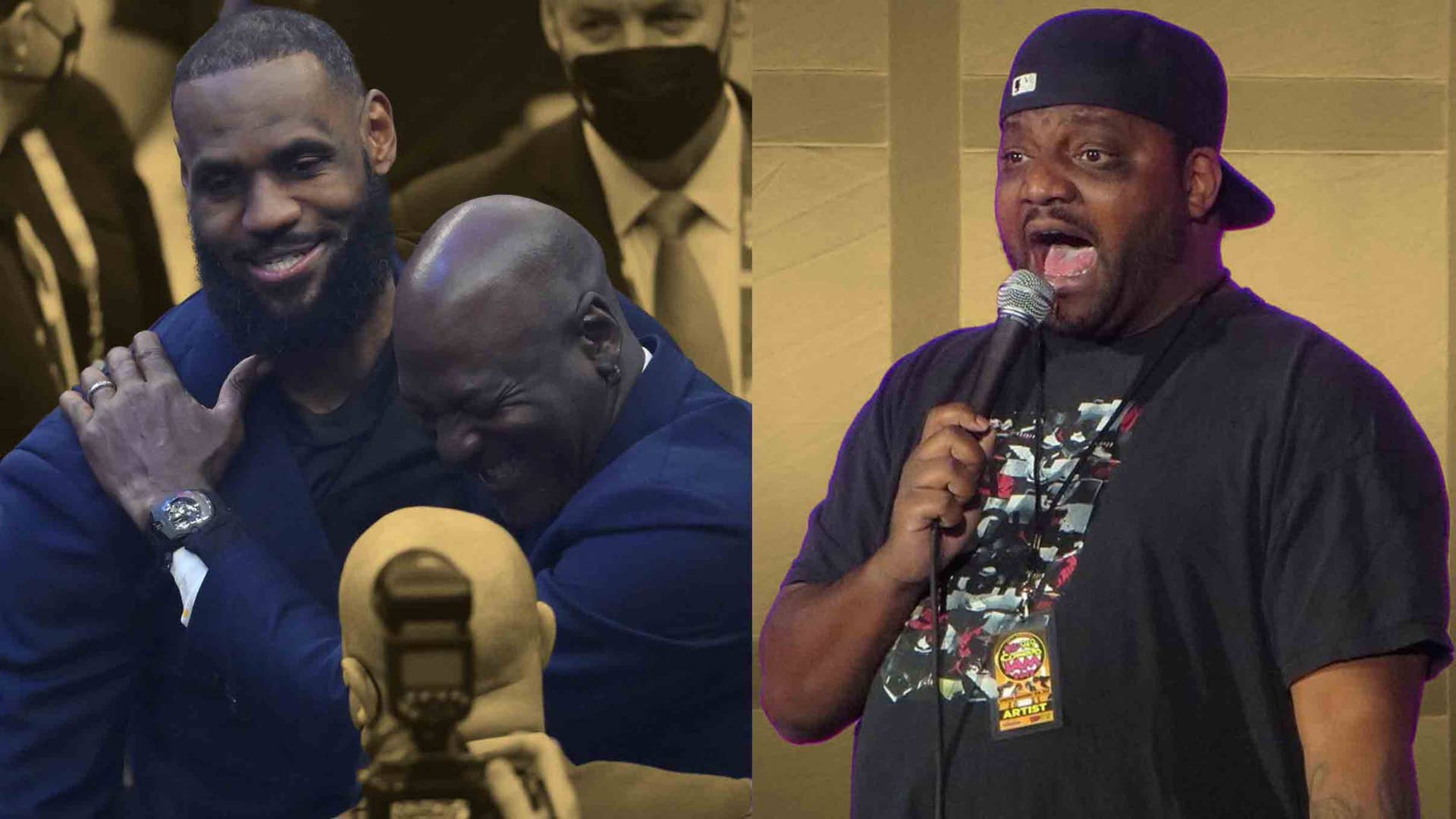
Spears’ take also underscores a generational divide in basketball fandom. Younger fans may lean towards LeBron, but the nostalgia associated with Jordan’s legacy creates a formidable barrier. This emotional investment complicates the conversation, making it less about stats and more about personal beliefs and experiences.
The fallout from Spears’ comments has been swift and polarizing. Fans are split, with many rallying behind his defense of Jordan while others counter that the argument feels outdated. This division highlights the complexity of the GOAT debate, where allegiance often trumps objective analysis.
Ultimately, Spears has succeeded in reigniting a discussion that many thought had settled into predictable territory. His remarks serve as a reminder that the debate over basketball greatness transcends mere statistics; it’s about how players make us feel and the legacies they leave behind.
In a world where narratives shape opinions, Spears challenges fans to reflect on what they truly value in greatness. Are we measuring success by championships and stats, or are we allowing nostalgia to cloud our judgment? As the dust settles, one thing is clear: the debate over LeBron versus Jordan is far from over.