Christopher Vialva was executed on September 24, 2020, at Terre Haute Federal Penitentiary, marking a significant moment in a contentious debate over the death penalty in the United States. Strapped to a gurney, he drew his last breath at 6:46 p.m., leaving behind a complex legacy of crime, race, and redemption.
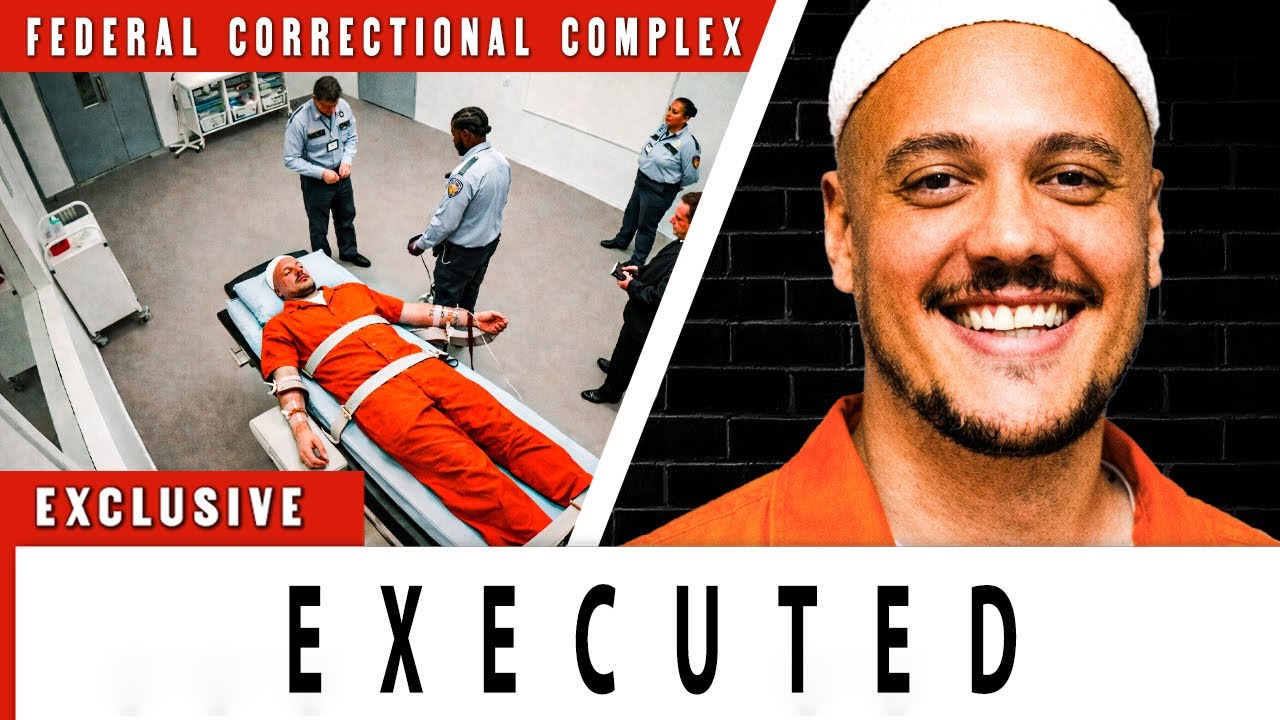 Vialva, aged 40 at the time of his death, had spent two decades on federal death row for the brutal murders of Todd and Stacie Bagley, a young missionary couple. The couple had been targeted in 1999 near Fort Hood, Texas, when Vialva and his accomplices flagged down their car under false pretenses. What began as a simple request for help quickly escalated into a nightmare of violence.
After robbing the Bagleys at gunpoint, Vialva and his crew forced the couple into the trunk of their own car. Hours passed as they drove aimlessly, withdrawing cash from ATMs using the Bagleys’ cards. Meanwhile, the couple remained trapped in the dark trunk, praying and trying to communicate with their captors.
The harrowing ordeal culminated in a wooded area near Belton Lake, where Vialva shot Todd in the head, killing him instantly. Stacie was shot next, but her life was extinguished by smoke inhalation as the group set the car ablaze to eliminate witnesses. The charred remains of the couple were discovered the following day, igniting a complex investigation that would lead to Vialva’s arrest.
Vialva’s background reveals a troubled upbringing marked by rejection and violence. Raised in a chaotic environment, he struggled with identity and acceptance, ultimately turning to gang life for belonging and power. This history was central to his defense during the trial, where his lawyers argued that his brain was not fully developed at 19, influencing his impulsive decisions.
Despite these arguments, Vialva was convicted of capital murder in 2000. The trial’s racial dynamics, with an all-white jury judging a black defendant, raised questions about bias and fairness in the justice system. Appeals over the years focused on his age, mental health, and the systemic issues surrounding his case, but all were denied.
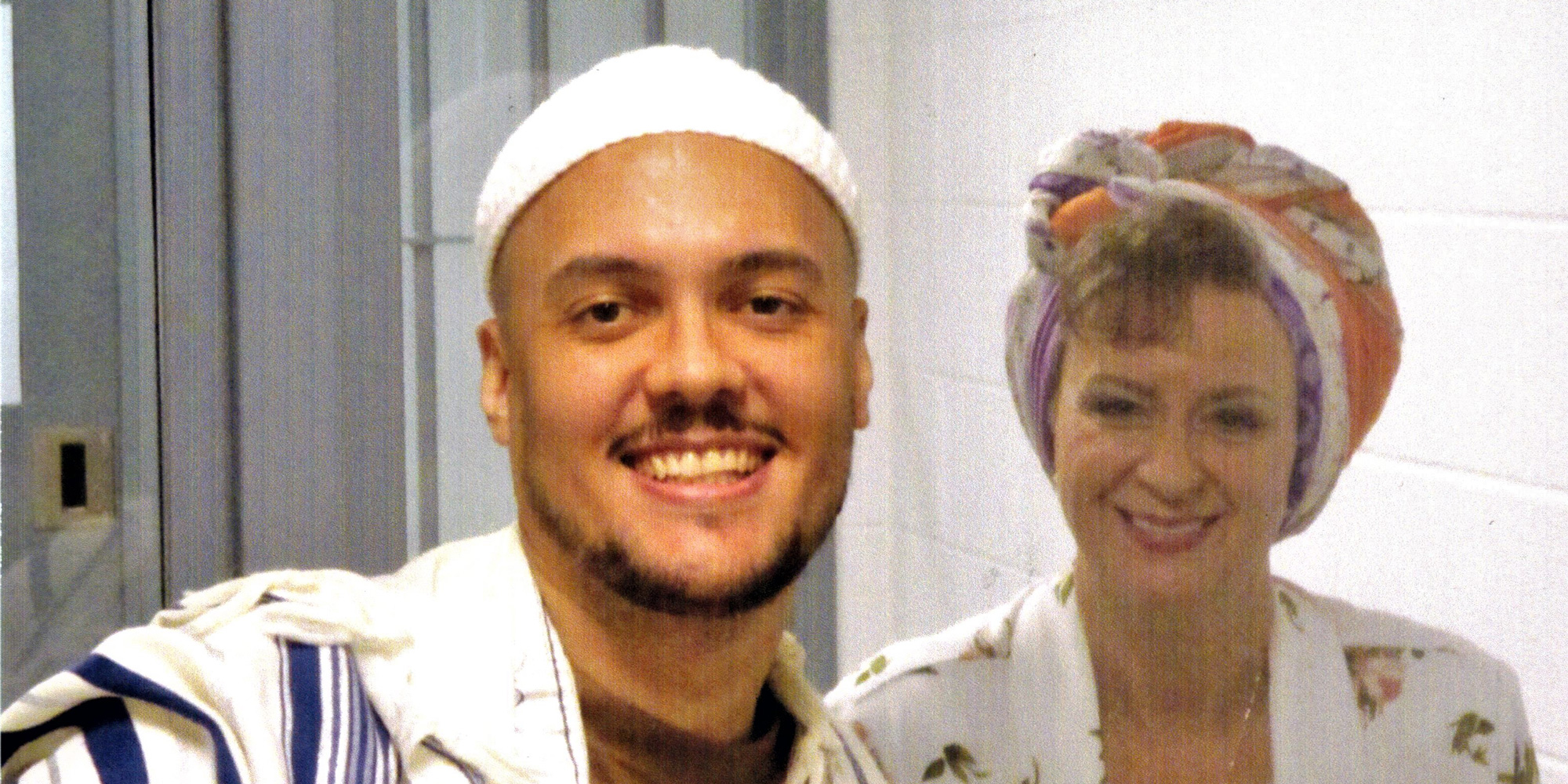
As Vialva’s execution approached, protests erupted outside the penitentiary, highlighting the ongoing debate over the death penalty, particularly its application to young offenders and people of color. Critics argued that Vialva’s case exemplified a flawed system that often overlooks the complexities of individual circumstances, including childhood trauma and racial bias.
On the day of his execution, Vialva was allowed a last meal, the details of which remain undisclosed. In his final moments, he expressed gratitude for life and sought forgiveness from the Bagley family, a poignant reflection on his journey from a troubled youth to a condemned man.
His death marked a significant moment in the ongoing discourse on capital punishment in America, raising questions about justice, redemption, and the impact of systemic failures. As the curtain fell on his life, Vialva’s story echoed the complexities of a system grappling with issues of race, trauma, and the morality of the death penalty itself.