Timothy McVeigh, the architect of the 1995 Oklahoma City bombing that claimed 168 lives, was executed by lethal injection on June 11, 2001. His final meal consisted of two pints of mint chocolate chip ice cream, and he left behind a handwritten copy of the poem “Invictus,” with its last lines underlined.
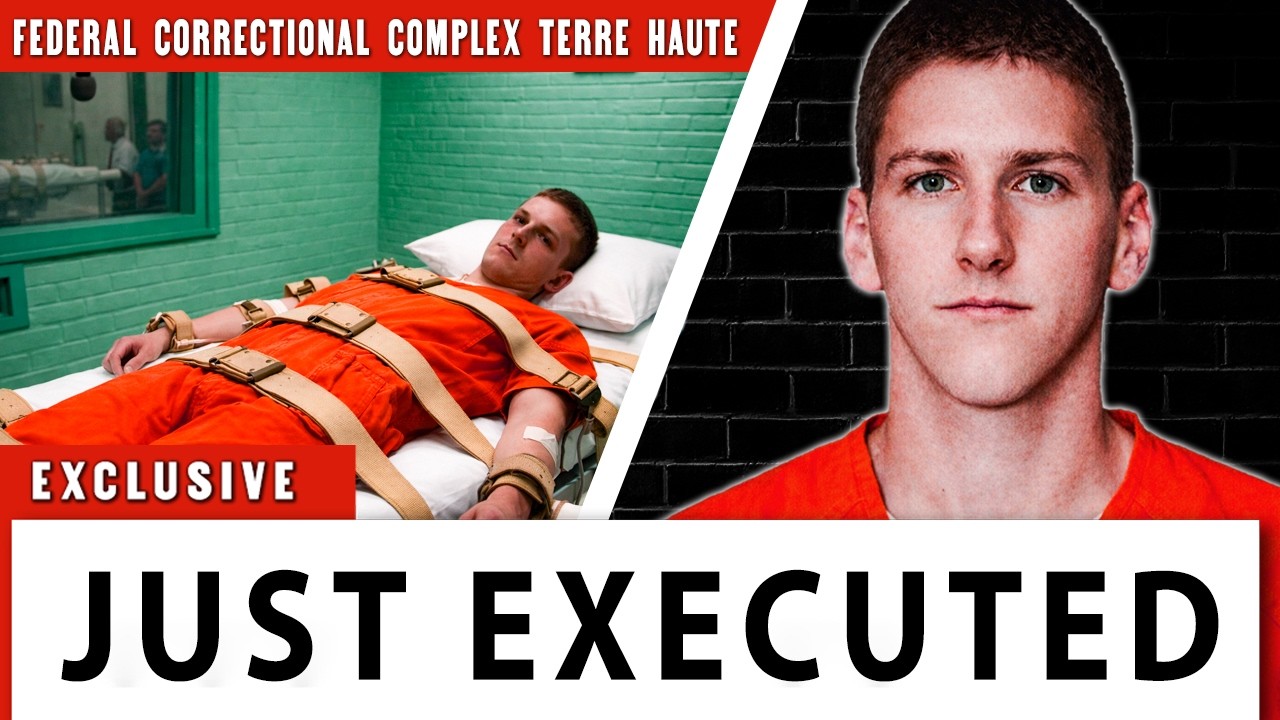 As the clock struck 7:14 a.m., McVeigh’s execution marked a definitive end to a chapter of terror in American history. The first federal prisoner to be executed since 1963, McVeigh’s demise was met with mixed emotions across the nation. Outside the Terre Haute prison, hundreds gathered to remember the victims, while others expressed their belief that violence only begets more violence.
In a chilling twist, McVeigh’s silence during his final moments echoed louder than words. When asked for a final statement, he chose not to speak, leaving many to interpret his silence as a final act of defiance. His execution, a culmination of years of legal battles, sparked discussions about justice and the morality of capital punishment. McVeigh’s actions in Oklahoma City were driven by a twisted ideology, rooted in a belief that the U.S. government was at war with its own citizens. He viewed his heinous act as a calculated strike against what he perceived as tyranny. His confessions revealed a chilling detachment from the devastation he caused, describing the bombing as a legitimate act of war.
The Oklahoma City bombing remains etched in the collective memory of the nation, a stark reminder of the dangers of extremist ideology. As McVeigh’s life came to an end, questions surrounding his accomplices and motivations lingered, leaving a haunting legacy in the wake of tragedy. Victims’ families expressed a range of emotions, from relief to continued grief. For some, the execution provided closure, while others lamented that another death would not bring back lost loved ones. President George W. Bush addressed the nation, emphasizing that the execution was a form of justice for the victims and their families. In the years following the bombing, the investigation revealed a complex web of connections, leading to ongoing speculation about potential accomplices. McVeigh’s associate, Terry Nichols, received a life sentence for his role in the attack, while others involved faced varying degrees of legal consequences. As the nation reflects on McVeigh’s execution, the lessons of the Oklahoma City bombing resonate more than ever. The rise of extremist ideologies in contemporary society serves as a stark warning. Vigilance against radicalization and thoughtful conversations about hate and violence are crucial to preventing future tragedies. Timothy McVeigh’s story is a cautionary tale, underscoring the importance of understanding the factors that lead individuals down paths of violence. As America grapples with its past, the echoes of April 19, 1995, remind us of the fragility of peace and the need for compassion in a divided world.