The carnival atmosphere outside the Florida State Prison gates was deafening, a stark counterpoint to the grim ritual unfolding less than a mile away. More than 2,000 spectators had gathered in the pre-dawn darkness, their chants of “Burn, Bundy, Burn” slicing through the humid air like a knife. They had come not to mourn, but to celebrate the imminent death of one of America’s most notorious serial killers.
It was January 24, 1989, at 6:15 a. m. , and the spectacle that would be remembered for decades was just beginning its meticulous, terrifying choreography.
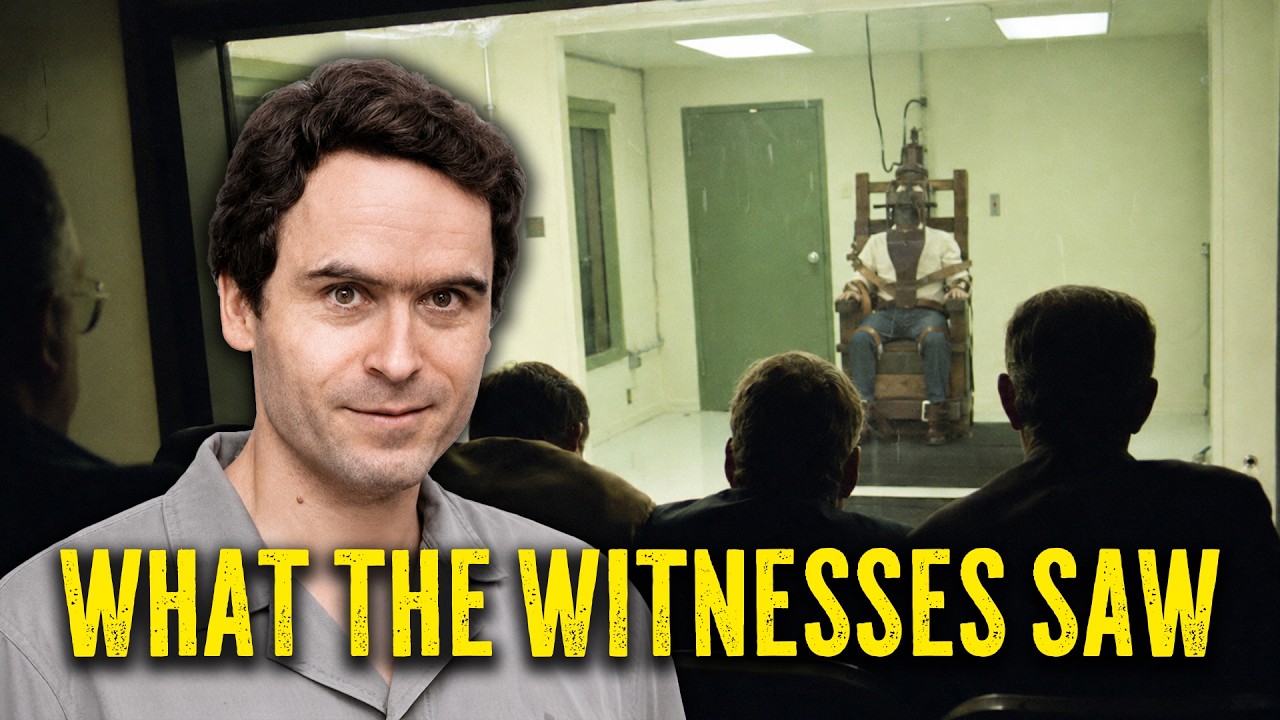
A prison transport van cut through the cacophony, moving with deliberate slowness toward the entrance. This was not a vehicle carrying the condemned man; it was carrying the 42 official witnesses who had been handpicked to observe the execution of Theodore Robert Bundy. The van crossed the two-lane highway, leaving the carnival behind in the field, and pulled through a series of gates that opened and closed like a mechanical heartbeat.
For these men and women, there was no turning back. The first checkpoints encountered were not about physical security, but about identity. Government-issued photo IDs were scrutinized, matching names to a sacred list that included prosecutors, law enforcement officers, members of the Bundy’s legal and spiritual teams, and family members of his victims.
Only 12 journalists were among the chosen, representing hundreds who had applied for the privilege of documenting history.
Once inside the security screening area, all pretense of the outside world disintegrated. This was a bubble of absolute control, where even the smallest personal artifact was forbidden. Cameras, tape recorders, laptops, and writing pads were all confiscated, left behind in the sterile entrance.
Guards searched every item with clinical precision. Even the personal pens were removed, replaced with standard-issue writing tools supplied by the prison. At the end of the process, the witnesses retained only their photo ID, their vehicle keys, and a few dollar bills; the five dollars maximum was a procedural rule allowing for a vending machine snack, a bizarre, mundane detail that betrayed the tension of the moment.
The wait was excruciating. The administrative waiting room, painted in bright colors with drawings of Elmo and Cookie Monster to comfort visiting children, seemed obscene in its cheerfulness. The small memo pads and two pencils the journalists received were a comfort, albeit a cryptic one.
For years, reporters noted the grim coincidence that the pencils bore the brand name Sparco.
They waited for hours. Snapshots of that time are blurry, but the tension was thick enough to choke. The biggest uncertainty of the morning—whether the execution would actually proceed—was resolved when an internal call came through with no stay of execution.
At 6:36 a. m. , the witnesses were instructed to line up single file, flanked by correctional officers.
The group walked deeper into the prison, a labyrinth of steel doors, each one clanging shut behind them before the next would open. This was a protocol designed to completely isolate the witnesses from the prison’s 2,200 inmates, but it could not muffle the prison’s own sounds. The eerie echoes of shouting and banging, unsettling to anyone not familiar with the constant tension of a maximum security facility, made the hairs on the back of every neck stand up.
Five minutes later, they reached the perimeter of the death house and boarded a second van for the final crossing to a heavily secured courtyard.
The sun was beginning to rise as the witnesses entered the execution viewing room. The atmosphere was uncomfortably cramped, not ceremonial as one might expect, but ordinary. The stark, soundproof cinder block walls held composed rows of tightly packed chairs.
A single thick pane of glass dominated the room. Beyond it, a heavy brown curtain hid the infamous electric chair, known as “Old Sparky,” from view. For the final moments, the silence was oppressive, broken only by the hum of the air conditioner.
Then, without any warning, the curtain started to draw open. The execution chamber was visible. The room was remarkably ordinary, the kind of place where paperwork might have been done in the daylight.
But in the center sat Old Sparky, and strapped into it, Ted Bundy.
The first impression was his lack of panic. He did not collapse. He looked empty.
As per execution protocol, his blue eyes appeared to be drifting across the room, scanning the 42 witnesses. He appeared to nod to his attorney. As he did so, a slight, chilling smile spread across his lips.
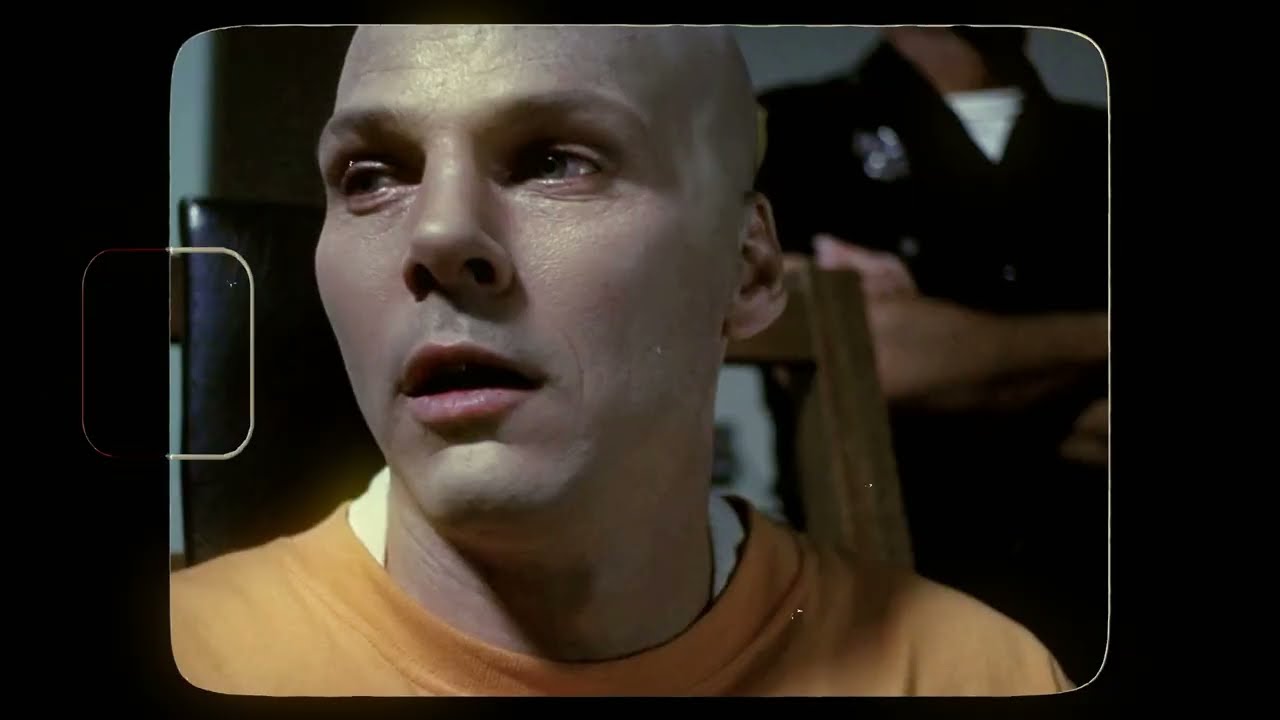
The internal commentary from various observers was loud. Why is he smiling? Was this the performance of a man who knew he would be considered a martyr?
Prison guards would later describe it as a facade, a performance to project calm for his own legacy. They reported that only moments earlier, this performance had cracked, and he had been reduced to tears and emotion in the final prep.
The telephone in the corner rang, but it was a routine call, not a personal one. The execution was a go. Bundy was offered a final opportunity to speak to anyone he chose.
It was a short, cold statement. “Jim and Fred, I’d like you to give my love to my family and friends.” No apology, no admission of guilt, no final explanation.
Then, with a nod, he received the signal. A correctional officer stepped forward and lowered a heavy black leather hood over Bundy’s head. The superintendent gave the signal shortly after the scheduled time.
The death was not administered by a prison employee. He was a civilian, a Civilian, escorted in behind the dark windows of an unmarked vehicle. The identity was kept secret because prison officials feared threats from “crackpots,” and the secrecy gave birth to a rumor that the executioner was a woman, a claim never confirmed by Florida officials.
For $150, the switch was thrown. The effect on the panel was immediate. Two thousand volts surged through the chair in one second.
Bundy’s body jerked violently, arched backward, his fists clenching involuntarily as his muscles locked. After a full minute, the power was cut. The pause was agonizing.
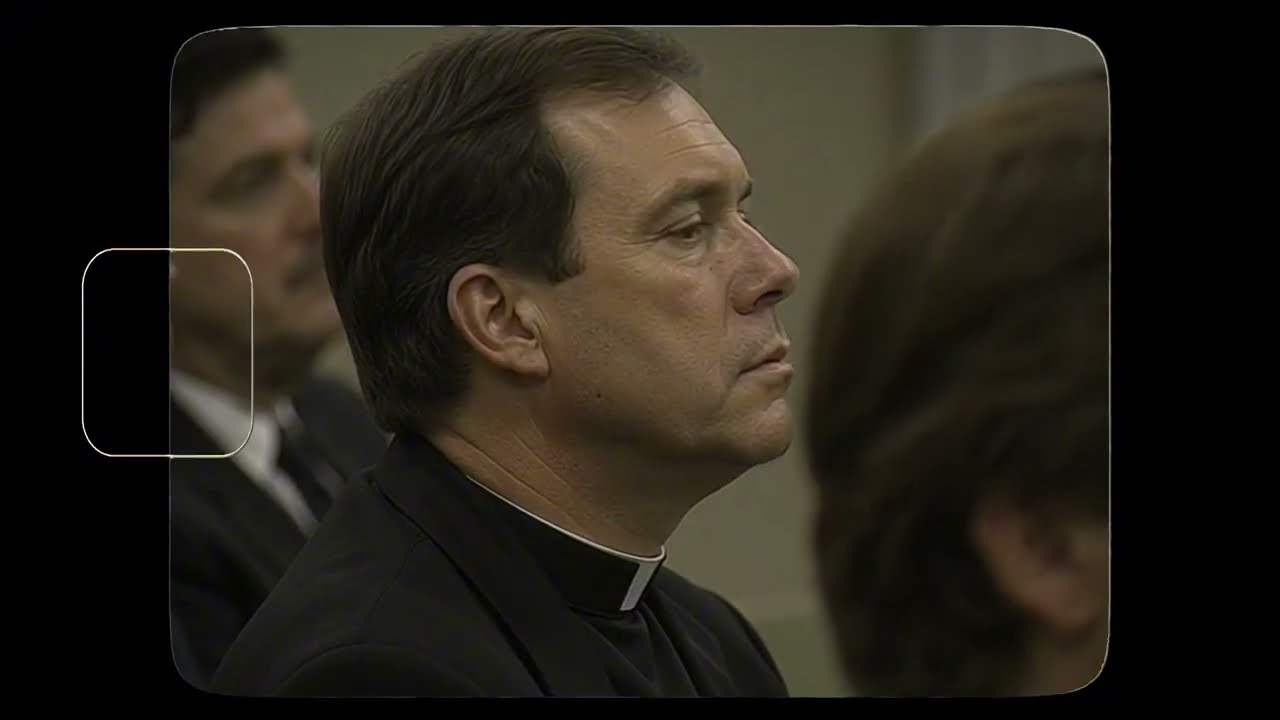
No one in the room moved. A paramedic entered with a stethoscope, but for several witnesses, the outcome was already painfully obvious. A witness stated later, “You knew he was dead…”
The blue color was unresponsive, and the doctor officially pronounced the time of death at 7:16 a. m. The words “The sentence of the state of Florida versus Theodore Bundy has been carried out” rang out, a stark, administrative parchment that broke the spell.
When the brown curtain fell, the witnesses were escorted out.
But their role was far from over. The 42 witnesses had just witnessed a man die, but the job description included telling the world what they had seen. They were herded out into the explosion of lights and hounding from a press corps eager for any scrap of detail.
It was the purpose of their presence. The entire scene of a death, described second-hand through the eyes of witnesses, was meant to be consumed by the public.
The execution of Ted Bundy unfolded with a devastating finality. He had been a monster in life and a ghost in death, and the witnesses to his final hour were the carefully chosen witnesses to the justice system’s final, violent act. The thought of being in that cramped room, facing the glass, seeing the face of the killer, raises a chilling question.
It is a deeply personal choice. If you were offered a seat in that witness room, would you take it? Looking into that cold, tranquil void, the answer may be far more complex than a simple yes or no.
It is a moral test, a final look into the abyss, reserved for the few who cannot turn away.