The Clark County Coroner’s Office has released a devastating new report in the murder-suicide of an 11-year-old Utah girl and her mother, revealing that the child was sedated with a powerful anti-anxiety medication before she was fatally shot inside a Las Vegas hotel room during a cheerleading competition.
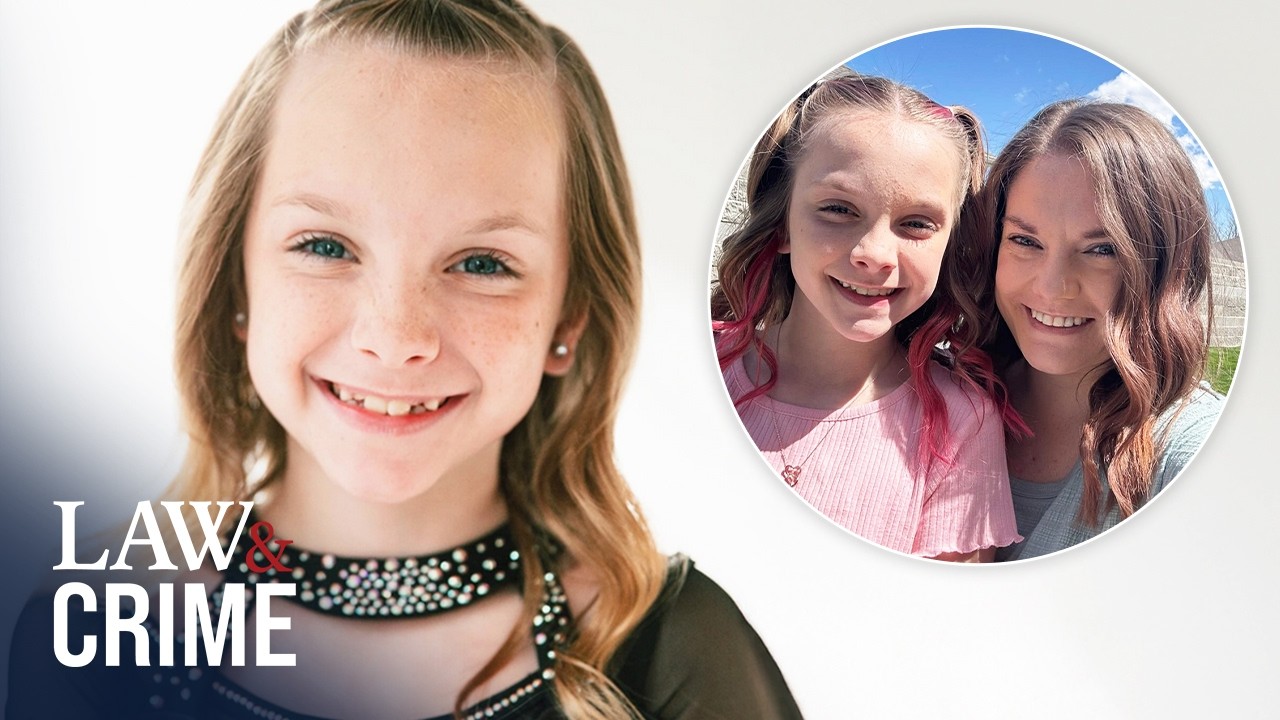
The findings, obtained by KSL television, confirm that 11-year-old Addie Smith died from a gunshot wound inflicted by her mother, 39-year-old Tanya McKean, who then turned the weapon on herself. However, the toxicology report adds a chilling layer to the tragedy, indicating that Addie was “very medicated” at the time of the violence.
According to the coroner’s report, Addie had lorazepam, a 𝒹𝓇𝓊𝑔 commonly used for sedation and anxiety treatment, in her system when she died. The same substance was also found in McKean’s body, alongside other prescription medications used to treat depression and insomnia, as well as cannabinoids. The presence of these drugs suggests a premeditated act rather than a spontaneous outburst of violence.
The grim discovery was made on Sunday, February 15, after a series of frantic 911 calls from Addie’s father and stepmother in Utah. The family had traveled to Las Vegas for a cheerleading competition, a weekend that was supposed to be a celebration of the young girl’s passion and vibrant spirit. Instead, it ended in an unthinkable tragedy that has left a community in mourning and raised difficult questions about the limits of the family court system.
Addie’s father, who had been embroiled in a bitter and lengthy custody dispute with McKean, made the initial call to police when he could not reach his daughter. The 911 audio, obtained by KUTV, captures the growing dread as family members realized something was terribly wrong. Security at the Rio Hotel initially checked on the room but cleared the scene after receiving no answer.
It was not until approximately 2:30 p. m. that security forced entry and discovered the two bodies.
The coroner’s report details that at least three handwritten notes were found at the scene. One note, placed at the main entry of the room, warned of the dead bodies inside. Another note reportedly stated that Addie was “very medicated,” a stark admission that appears to align with the toxicology findings.

The third note’s contents have not been fully disclosed, but the report suggests that McKean’s severe depression and the ongoing custody battle were significant factors in her state of mind.
The report describes McKean as “severely depressed,” noting that her family was aware of her history of depression and past suicidal ideations, though they denied knowledge of any previous attempts. Critically, McKean’s own mother was reportedly unaware that her daughter had access to a firearm. The official cause of Addie’s death has been ruled a homicide, while McKean’s death has been ruled a suicide.
This tragedy unfolds against the backdrop of a highly contentious custody arrangement that had been in place for years. Court documents reveal that the parents divorced in 2015 and had been fighting for custody of Addie since she was just two years old. The legal battle was marked by accusations of parental alienation and domestic 𝓪𝓫𝓾𝓼𝓮.
In October 2020, a judge awarded sole custody to the father, ruling that McKean was “subjecting the child to behavior that is on the spectrum of parental alienation” and had committed domestic 𝓪𝓫𝓾𝓼𝓮 in the presence of the minor child.
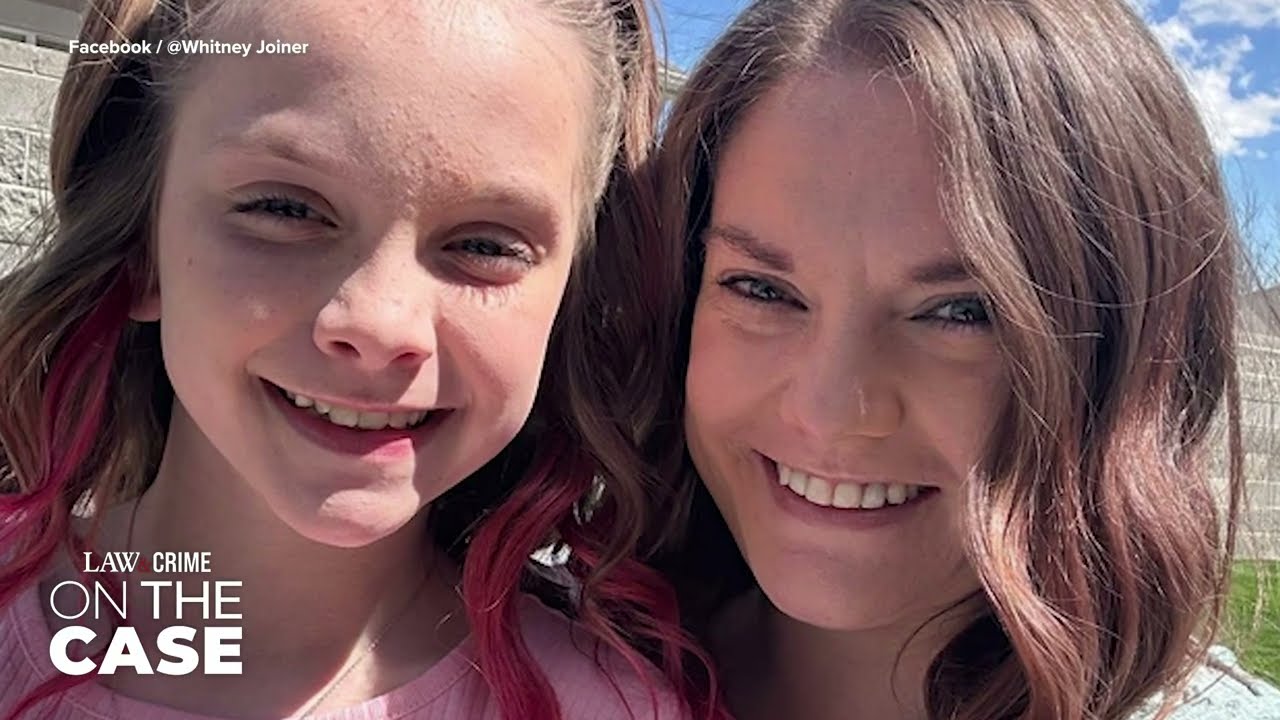
Following that ruling, McKean’s visits were supervised by court-designated family members. However, a subsequent judge found that her behavior had improved, and the custody agreement was modified to a 50/50 split, with one week on and one week off. The court’s decree was filled with highly specific logistical rules designed to minimize conflict between the parents.
Exchanges were to take place at Addie’s school or, during breaks, in the parking lot of a local police department, with the parents required to park five spaces apart while Addie walked between vehicles.
The decree also mandated strict protocols for communication, including specific FaceTime calls on Tuesday and Friday nights at 6:00 p. m. , with a forfeiture clause if the call was not initiated by 6:15 p.
m. All communication between the parents was required to go through a co-parenting app. These measures, while intended to shield Addie from her parents’ animosity, highlight the deep-seated hostility that defined her family life.

Family law attorney Randy Kesler, speaking on Law & Crime, noted that such arrangements, while extreme, are not uncommon in high-conflict divorces. He explained that the legal system faces an impossible balancing act between protecting children and preserving their right to know both parents. “You have these two extremely opposite dynamics,” Kesler said.
“Children should know their parents. Children should be safe. How do you reconcile those?”
Kesler emphasized that predicting such a violent outcome is nearly impossible for judges and lawyers, as there was no prior history of violence against the child. “I don’t know how you could have predicted this and at the same time make sure the child got to know her mom,” he stated. The case echoes other recent tragedies where mental health and custody disputes have collided with fatal consequences, leaving legal experts to question whether the system can ever truly safeguard against a parent’s hidden intentions.
Addie Smith is being remembered by those who knew her as a bright light with a passion for cheerleading that filled her days with excitement and purpose. Her obituary describes a girl who “never wanted or needed much in life” and who “had a spirit that sparkled as brightly as her smile.” The cheerleading community, along with her family and friends, is grappling with the loss of a child whose life was cut short in a hotel room far from home, on a weekend that was supposed to be about her joy and athleticism.
The investigation into the exact timeline of events on the night of February 14 remains closed, as the primary suspect is deceased. However, the coroner’s toxicology report provides the clearest picture yet of the final moments, suggesting that McKean may have drugged her daughter to subdue her before committing the act. The presence of lorazepam in both bodies indicates a deliberate plan, a final, horrific act in a custody war that had consumed the family for nearly a decade.
As the community mourns, the case serves as a stark reminder of the unseen struggles that can lurk beneath the surface of a seemingly normal family trip. The 911 calls, the court filings, and now the toxicology report paint a portrait of a family torn apart by conflict, where a mother’s severe depression and a bitter legal fight culminated in an irreparable act of violence. The answers sought by Addie’s father and the broader public may never fully explain why McKean chose to end her daughter’s life, but the evidence now confirms that the 11-year-old was not merely a victim of a sudden tragedy, but of a calculated and medicated final act.