06 May 2026
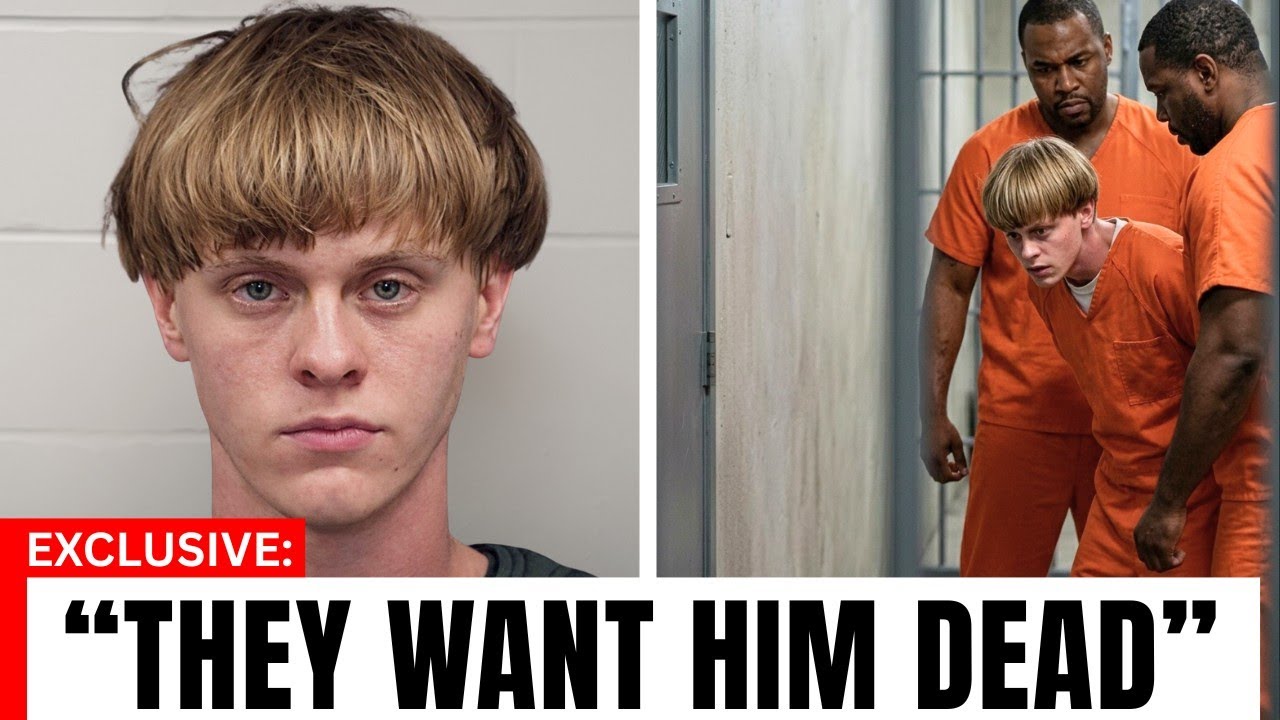
Inside the confines of the United States Penitentiary in Terre Haute, Indiana, Dylann Roof, the man responsible for the tragic Emanuel African Methodist Episcopal Church massacre, endures a living hell. With no execution date in sight, Roof’s existence is marked by extreme isolation, raising profound questions about the nature of justice and punishment in America. Roof, who murdered nine innocent worshippers in 2015, was sentenced to death in 2017. His courtroom demeanor was void of remorse, a chilling reflection of his actions. Yet as time drags on, the psychological toll of his solitary confinement may prove more torturous than death itself. On December 1, 2023, a fellow inmate in the same facility took his own life after succumbing to the unbearable isolation. This tragedy underscores the grim reality faced by those on death row, where the absence of a scheduled execution fosters a unique form of psychological torment known as the death row phenomenon. Inside the special confinement unit, Roof is subjected to a life devoid of human contact. Former prison staff describe the environment as eerily quiet, with inmates confined to small, stark cells. Meals are delivered through slots, and any movement is heavily monitored. The lack of a calendar or any indication of time exacerbates the sense of hopelessness. Roof’s case is complicated by a series of legal maneuvers. Despite his conviction being upheld by the Fourth Circuit Court of Appeals and the Supreme Court declining to hear his appeal, he remains in limbo. President Biden’s decision to exclude Roof from a recent clemency initiative further solidified his fate, leaving him in a state of perpetual uncertainty. The psychological ramifications of this isolation are severe. Studies indicate that prolonged solitary confinement can lead to cognitive decline similar to traumatic brain injury. The human brain, wired for social interaction, deteriorates under such extreme conditions. For Roof, the absence of a foreseeable future may be a more brutal punishment than execution itself. Families of the Emanuel 9 confront their own struggles as they grapple with the implications of Roof’s sentence. While some sought the death penalty as a form of justice, others argue that life without parole would have provided a quieter resolution, sparing them from the relentless cycle of legal battles and media attention. As Roof languishes in his cell, the question remains: Is this form of punishment just? The debate surrounding capital punishment is fraught with complexities, and the families affected by Roof’s heinous act have varied perspectives on what constitutes true justice. In the end, the legacy of the Emanuel 9 is not defined by Roof’s actions, but by the grace and forgiveness extended by their families in the face of unimaginable loss. Their resilience serves as a poignant reminder of humanity’s capacity for dignity, even in the darkest of circumstances. As the world watches, Roof’s fate hangs in the balance, a living testament to the complexities of justice and the human condition. The conversation about punishment, morality, and healing continues, leaving us to ponder the true meaning of justice in a flawed system.

06 May 2026
Derek Chauvin, the former Minneapolis police officer convicted of murdering George Floyd, is enduring a prison nightmare that many argue is worse than death row. After a brutal attack in November 2023, Chauvin’s life in a Texas federal prison has become a harrowing struggle for survival, overshadowed by constant fear and isolation. Since his conviction, Chauvin has faced a relentless reality behind bars. Sentenced to 22 and a half years in state prison for murder, he received an additional 21 years for violating Floyd’s civil rights. These sentences run concurrently, meaning he won’t be eligible for release until 2038. Chauvin currently resides at the Federal Correctional Institution in Big Spring, Texas, a low-security facility housing over 800 inmates. While this may sound manageable, the truth is far more sinister. His notoriety has made him a prime target among inmates, leading to life-𝓉𝒽𝓇𝑒𝒶𝓉𝑒𝓃𝒾𝓃𝑔 encounters that have already occurred. The attack on November 24, 2023, in a law library at FCI Tucson, was a brutal reminder of the dangers he faces daily. John Tersk, a former member of the Mexican mafia, stabbed Chauvin 22 times, motivated by the symbolic nature of the attack. The only reason Chauvin survived was the swift response of correctional officers, underscoring the razor-thin margin between life and death he experiences. Following the attack, Chauvin was transferred to FCI Big Spring, where his family remains deeply concerned about his safety. They question the prison’s ability to protect him and demand answers about security measures. Yet, as of January 2026, those answers remain elusive. In prison, a strict hierarchy exists, and Chauvin’s status as a former police officer and his high-profile conviction have painted a target on his back. Every moment spent among the general population is fraught with peril, as inmates seek to gain respect by targeting him. Chauvin’s legal team has long advocated for his protection, arguing he should not be in the general population. Their warnings went unheeded, culminating in the violent attack that nearly claimed his life. Now, he faces a grim existence in protective custody, spending 23 hours a day in isolation, with limited human contact and no meaningful engagement. The psychological toll of such confinement is severe. Studies show that long-term isolation can lead to debilitating mental health issues, including depression and paranoia. Chauvin’s life has become a cycle of despair, stripped of the semblance of normalcy that many might expect from a prison sentence. Despite the challenges, Chauvin continues to fight for his freedom. On November 20, 2025, he filed a petition for postconviction relief, hoping to overturn his conviction. However, legal experts remain skeptical, noting that previous appeals have failed at every level. Calls for a presidential pardon have emerged from some conservative circles, arguing that Chauvin’s trial was politically charged. Yet, even if a pardon were granted, it would not change his state sentence, leaving him imprisoned regardless of federal relief. As Chauvin counts down the years until 2038, he grapples with the reality of his situation. He wakes each day in fear, knowing that his notoriety makes him a target. The psychological burden of his actions weighs heavily, as the world remembers the nine minutes and twenty-nine seconds that changed everything. Is Chauvin’s existence truly worse than death? As debates continue around his case, the question remains complex. His life in prison serves as a stark reminder of the consequences of his actions, raising uncomfortable discussions about justice, punishment, and the human experience within the criminal justice system.

06 May 2026
Alex Murdaugh, the disgraced attorney sentenced to life for murdering his wife and son, now faces a prison existence that many consider worse than death itself. Confined to an 8×10-foot cell, stripped of his former life, he endures the psychological torment of isolation and regret—day after agonizing day. Every morning at Kirkland Correctional Institution, fluorescent lights pierce the darkness of his concrete cell, waking him at 5:30 a.m. Gone are the days of luxury and family dinners; now, he faces the stark reality of prison life. Breakfast arrives through a slot in the door—lukewarm oatmeal and powdered eggs, a far cry from the gourmet meals he once enjoyed. Murdoch’s daily routine is a relentless cycle of monotony. After breakfast, he spends approximately 23 hours confined to his cell, allowed only one hour of solitary recreation in a small concrete pen. This isolation weighs heavily on him, leading to unsettling behaviors; witnesses report him pacing and talking to himself, a sign of his deteriorating mental state. The psychological toll of his confinement is immense. His attempts to engage with the outside world have led to desperate measures, including unauthorized phone calls to filmmakers. 𝒄𝒂𝓊𝓰𝒉𝓉 in the act, Murdoch faced severe disciplinary actions, losing privileges that are lifelines in prison—phone calls, canteen access, and even his tablet. Despite the harsh conditions, rumors swirl that Murdoch may still wield influence behind bars. 𝒶𝓁𝓁𝑒𝑔𝒶𝓉𝒾𝓸𝓃𝓈 suggest he is financially backing contraband operations, using connections from his former life to manipulate the prison system. If true, it illustrates his refusal to accept his new reality, desperately clinging to power in a place where he is just another inmate. Yet, even with these alleged privileges, Murdoch’s life is a constant reminder of his past. He has taken up chess, playing against other inmates, a stark contrast to his former legal battles. The plastic game pieces serve as a grim reminder of his fall from grace, as he tries to find intellectual stimulation in a world that has stripped him of everything. Visitation with his surviving son, Buster, is another painful aspect of his existence. Behind glass, their conversations are monitored, filled with unspoken tension and heartbreak. Buster, who has lost both his mother and brother, must navigate the complex emotions of seeing his father, the man responsible for their family’s destruction. Mental health experts warn that life sentences without parole can lead to severe psychological decline. For Murdoch, this sentence means years of reliving his guilt, with no hope for redemption or escape. Each day is a reminder of the life he destroyed, trapped in a cycle of despair that feels endless. As he faces the grim reality of aging in a concrete cell, Murdoch’s fate is sealed. Even if his murder convictions were overturned, he would still serve decades for financial crimes. At 56, he could die behind bars, a fate that many argue is worse than death itself. In a world where actions have consequences, Murdoch’s life sentence serves as a chilling reminder of the price of his choices. As he wakes each day in isolation, the weight of his crimes looms large, and the haunting question remains—what is worse than death? For Alex Murdaugh, the answer lies in the relentless passage of time within the confines of his prison walls.
05 May 2026
In a 𝓈𝒽𝓸𝒸𝓀𝒾𝓃𝑔 turn of events, 50 Cent’s explosive documentary on P. Diddy has stirred up intense controversy, revealing disturbing insights into the hip-hop mogul’s life and alleged misdeeds. The documentary paints Diddy as…
05 May 2026
In a 𝓈𝒽𝓸𝒸𝓀𝒾𝓃𝑔 turn of events, James Broadnax, the youngest inmate on death row in the U.S., is set to be executed in May 2026, despite new evidence suggesting his innocence. A sworn confession…

05 May 2026
Rapper Lil Zay Osama has been arrested by federal authorities following a dramatic home invasion incident. The arrest is linked to the murder of THF Bay Zoo, with law enforcement reportedly finding a switch…
05 May 2026
Inside Nashville’s Riverbend Maximum Security Institution, Lemaricus Deval Davidson has endured over 15 years on death row without an execution date. This grim reality reveals a haunting truth about capital punishment: the psychological torment…

05 May 2026
In a 𝓈𝒽𝓸𝒸𝓀𝒾𝓃𝑔 turn of events, Sean “Diddy” Combs has rejected a plea deal that could have implicated Jay-Z as his trial looms just days away. The decision raises alarming questions about the potential…

04 May 2026
In a 𝓈𝒽𝓸𝒸𝓀𝒾𝓃𝑔 turn of events, a forensic expert hired by Brian Kohberger’s defense has publicly claimed that key evidence in the case against him may have been mishandled. This revelation raises troubling questions about the integrity of the investigation, igniting renewed scrutiny into a case that many believed was closed. Kohberger, who confessed to the brutal murders of four University of Idaho students, is currently serving four consecutive life sentences. The families affected were assured that justice had been served, but this new development suggests otherwise. The expert’s claims center around the infamous knife sheath, purportedly the only piece of physical evidence linking Kohberger to the crime scene. During a recent episode of Hidden Killers Live, host Tony Brussi and co-hosts Robin Green and Eric Fattis dissected the implications of this revelation. The defense expert alleged that the chain of custody for the knife sheath might be challengeable, a significant assertion given the evidence’s pivotal role in the prosecution’s case. Fattis, a former prosecutor, expressed skepticism about the timing of this disclosure. He noted that even if the evidence could be challenged, it does not automatically prove Kohberger’s innocence. The substantial weight of other evidence against him likely influenced the decision to accept a plea deal, which spared him from the death penalty. As the conversation unfolded, the hosts voiced concerns about the potential impact on the victims’ families. Green, a retired FBI agent, emphasized the need for sensitivity in discussing such matters, particularly when the families believed the case had reached a resolution. The idea that this new information could reopen wounds is troubling for those who have already endured unimaginable loss. The expert’s claims are reportedly detailed in an upcoming book, raising questions about motives behind the timing of the revelations. Critics argue that sensationalizing the case could further harm the families of the victims, who have already faced immense grief and public scrutiny. Discussion around the chain of custody for the knife sheath also emerged as a focal point. The expert claimed discrepancies in the documentation could undermine the evidence’s authenticity. However, Fattis countered that law enforcement agencies often have robust digital tracking methods that could clarify these concerns, suggesting that the physical documentation may not be as critical as it appears. As the legal community grapples with these new assertions, one thing remains clear: Kohberger’s case is far from over. The potential for a motion to withdraw his plea looms, though experts caution that such motions are rarely granted once a sentence has been imposed. The fallout from this latest development could reverberate through the courtroom and beyond, as both legal experts and the public await further clarification on the implications of the forensic expert’s claims. For the families of the victims, the pursuit of justice continues to be a painful journey, one that may now be complicated by renewed discussions around evidence and its handling. As this story unfolds, the eyes of the nation remain fixed on the courtroom, where the quest for truth and accountability hangs in the balance. The implications of these revelations could resonate for years to come, as the specter of Kohberger’s actions continues to haunt a community still reeling from tragedy.

04 May 2026
In a 𝓈𝒽𝓸𝒸𝓀𝒾𝓃𝑔 turn of events, Nick Reiner, son of Hollywood director Rob Reiner, faces two counts of murder following the brutal deaths of his parents. Newly surfaced footage reveals his disturbing behavior leading up to the crime, leaving a community grappling with the horror of this familial tragedy. The Brentwood estate, once a symbol of success and creativity, now stands as a haunting backdrop to a chilling double homicide. On December 14, 2025, police arrived to find Rob and Michelle Reiner’s bodies, victims of a violent attack that shattered the tranquility of their affluent neighborhood. Just hours before the murders, Nick Reiner exhibited erratic behavior at a holiday party hosted by Conan O’Brien, alarming guests with bizarre questions and a disconcerting demeanor. Witnesses reported his unsettling interactions, raising questions about his mental state. Days later, Nick was apprehended near Exposition Park, his demeanor vacant and detached, as he was taken into custody. Surveillance footage captured him nervously pacing in a convenience store, seemingly oblivious to the gravity of his situation. As the investigation unfolds, the Riner family estate, valued at an estimated $200 million, faces legal complications. Under California’s Slayer statute, Nick may be barred from inheriting any part of his parents’ fortune if found guilty. The legal landscape for Nick shifted dramatically when his high-profile attorney, Alan Jackson, withdrew from the case, citing circumstances beyond Nick’s control. Now, he faces a public defender who has only briefly spoken with him, leaving his future uncertain. Inside the Twin Towers correctional facility, Nick’s reality is stark and isolating. He is confined to a high observation unit, monitored every 15 minutes, his mental health deteriorating in a dehumanizing environment. The once-promising life of a Hollywood heir has been replaced by the grim existence of a man facing life without parole. As the court date approaches, the question lingers: will Nick Reiner be able to mount a defense against the charges, or is he destined for a life of confinement, a living death within the prison walls? The community and the world watch closely, grappling with the tragic fallout of a family shattered by violence. In the wake of this horror, the legacy of Rob and Michelle Reiner is overshadowed by the chilling reality of their son’s actions. Friends and family mourn the loss of two beloved figures, while Nick’s fate hangs in the balance, a tragic reminder of the fragility of life and the darkness that can lurk beneath the surface.