04 May 2026
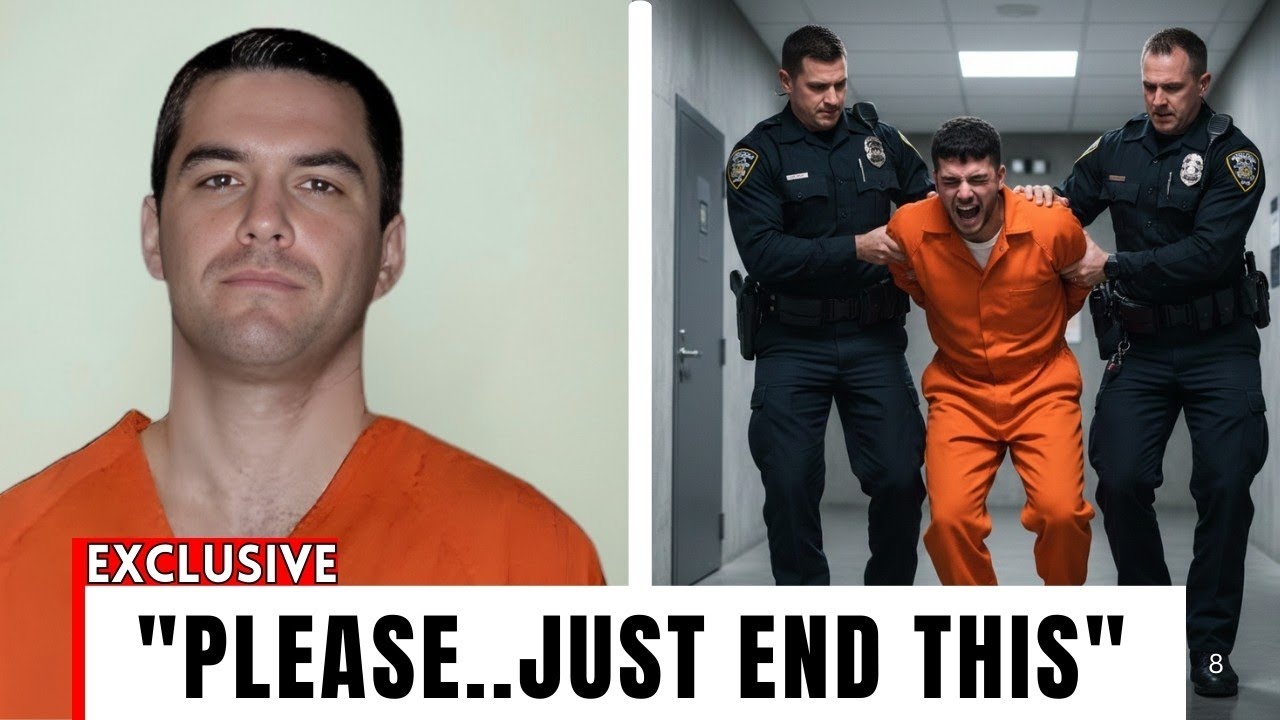
Scott Peterson’s case, once a national sensation, has resurfaced in the courtroom, raising questions about the integrity of his conviction. After more than two decades behind bars for the murders of his pregnant wife, Lacy, and their unborn son, new evidence could pave the way for a retrial, igniting fierce debates on justice. In Redwood City, California, the air crackled with tension as the LA Innocence Project presented a 600-page petition challenging the very foundation of Peterson’s conviction. The nonprofit’s investigation has unearthed potential evidence that casts doubt on the narrative that led to Peterson’s original sentencing. Peterson, now 53, has spent 22 years in Mule Creek State Prison, a stark contrast to the life he once knew. The once-charismatic fertilizer salesman is now a shadow of his former self, his youth eroded by the relentless grind of prison life. He has missed countless milestones, including the funerals of his parents, who died while he remained imprisoned. When Peterson was convicted in 2004, the prosecution painted him as a man driven by a dark motive, one who killed to escape the responsibilities of fatherhood. However, the Innocence Project’s recent findings challenge this portrayal, suggesting that critical evidence was overlooked or suppressed during the investigation. Among the new leads is the discovery of witness statements about a burglary that occurred on December 24, 2002, the day Lacy vanished. Eyewitness accounts now indicate that the burglary may have been in progress while Peterson was allegedly fishing, potentially providing him with an alibi. Moreover, the investigation has spotlighted an orange van found burned near Peterson’s home, which police dismissed as irrelevant at the time. The Innocence Project argues that this vehicle could be linked to the burglars and that the evidence surrounding it warrants further examination. As the legal landscape shifts, Peterson’s status in prison remains precarious. He occupies a dangerous position within the prison hierarchy, stigmatized by his conviction. Reports indicate he lives in a constant state of hypervigilance, navigating a world where he is seen as a target rather than a man seeking redemption. The implications of the Innocence Project’s findings are profound. If new DNA tests reveal evidence pointing to another perpetrator, the ramifications for Peterson and the justice system could be staggering. The notion that an innocent man has endured a living death for over two decades raises urgent questions about the very nature of justice. As the courtroom 𝒹𝓇𝒶𝓂𝒶 unfolds, many are left to ponder whether Peterson’s life sentence is a more civilized punishment than the death penalty. The ongoing investigation serves as a stark reminder of the complexities of truth and the potential for systemic failures within the judicial process. In a society that grapples with the balance between justice and revenge, Peterson’s case stands as a chilling testament to the consequences of a flawed legal system. The world watches as the Innocence Project fights to unveil a truth that has long remained buried, igniting a renewed debate on what constitutes true justice in America.

04 May 2026
Tucson, Arizona—Day 17 in the search for Nancy Guthrie has revealed a troubling setback. The investigation’s latest twist involves a glove initially thought to be linked to her abductor, which has now been ruled out. Pima County Sheriff Chris Nanos faces mounting pressure as the community grows increasingly frustrated with the lack of leads. Sheriff Nanos spoke to reporters today, visibly shaken by the news that the glove, once considered pivotal evidence, did not match any known samples from the crime scene. “We’ve taken their phones, we’ve taken their cars, we’ve processed their houses,” he stated, emphasizing that the Guthrie family has been fully cooperative throughout the investigation. Frustration has permeated the air as investigators struggle to find substantial clues. Helicopters equipped with advanced signal-sniffing technology continue to scour the Tucson area, searching for signals from Nancy’s pacemaker. This device, which sends out a faint signal every two minutes, could lead authorities to her location, even if she is being held captive. The emotional toll on Nancy’s family is palpable. Savannah Guthrie, Nancy’s daughter, has been thrust into the national spotlight, grappling with the anguish of uncertainty. Marc Klaas, a prominent advocate for missing children, shared his own harrowing experience, highlighting the emotional turmoil families endure during such crises. “You become overwhelmed by anger. You don’t sleep. You don’t eat,” he lamented. Sheriff Nanos made a poignant appeal to the kidnappers, urging them to release Nancy. “Just let her go. Just all ends. Just let her go,” he implored, seeking any sign of mercy from those holding her. His conviction that Nancy is still alive offers a glimmer of hope amid the darkness, but the community remains on edge. As investigators delve deeper into the case, they are meticulously analyzing digital footprints and financial records, seeking any anomalies that may provide insight into Nancy’s disappearance. The absence of forced entry or visible struggle complicates the investigation, leaving authorities to sift through a complex web of uncertainties. The atmosphere is thick with tension as the community rallies around the Guthrie family, hoping for a breakthrough. With each passing day, the urgency grows, and the need for resolution becomes more critical. The silence surrounding Nancy’s case is deafening, and the quest for truth continues to unfold. As the investigation progresses, the public remains on high alert, awaiting updates that will hopefully bring clarity to this heart-wrenching mystery. The evidence that could change everything is still out there, waiting to be uncovered. Until then, the search for Nancy Guthrie endures, fueled by hope, determination, and the relentless pursuit of justice.
04 May 2026
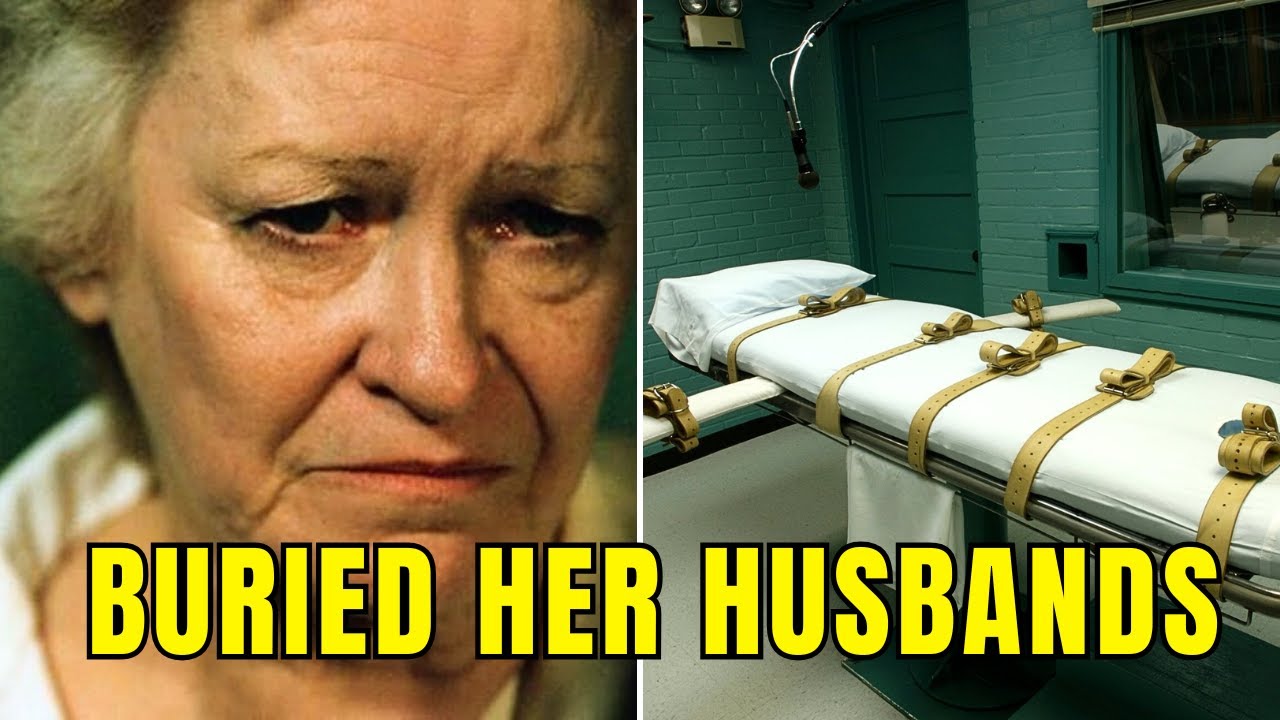
In a chilling tale of betrayal and murder, Betty Lou Beats, a grandmother from Texas, was executed for the brutal slaying of her fifth husband, Jimmy Don Beats, and her fourth husband, Doyle Wayne Barker. Her 𝓈𝒽𝓸𝒸𝓀𝒾𝓃𝑔 story of buried secrets and deceit has captivated the nation, raising questions about her motives and mental state. On a warm August night in 1983, Betty Lou Beats made a fateful decision that would seal her destiny. Her fifth husband, Jimmy Don Beats, had become a target of her wrath. As her son Robbie was inside the house, she pulled him aside and ominously declared that Jimmy had to die that night. With chilling calmness, Betty approached Jimmy, who sat unsuspecting in his recliner. In a swift act of violence, she shot him twice in the head. Afterward, she enlisted Robbie’s help to dispose of the body, burying him in a wishing well they had built together, a haunting reminder of their last summer. The next morning, Betty concocted a story to explain Jimmy’s disappearance. She scattered his heart medication on his boat, making it appear as if he had succumbed to a tragic accident while fishing. As search efforts intensified, Betty remained eerily detached, even asking about life insurance instead of showing concern for her missing husband. For nearly two years, Jimmy’s fate remained a mystery until an anonymous tip led authorities to investigate Betty’s property. On June 8, 1985, police unearthed not one, but two bodies from her yard: Jimmy’s, hidden beneath the wishing well, and Doyle’s, buried behind the shed. The grim discoveries painted a portrait of a woman with a deadly pattern of violence. Betty’s past revealed a history of tumultuous relationships, marked by 𝓪𝓫𝓾𝓼𝓮 and suspicion. Her first marriage ended in divorce, and subsequent unions were fraught with violence. Despite her claims of self-defense, her actions raised red flags, leading to her eventual arrest and trial for murder. In October 1985, Betty stood trial, with her son Robbie testifying against her. His chilling recount of the night of the murder sealed her fate. On October 11, she was found guilty and sentenced to death, a decision that sparked years of appeals and debates about her mental health and past traumas. As Betty awaited execution, her daughters pleaded for clemency, presenting evidence of her long history of 𝓪𝓫𝓾𝓼𝓮. Nevertheless, the parole board denied their requests. On February 24, 2000, at the age of 62, Betty Lou Beats was led to the death chamber, where she faced her final moments with a chilling calmness. Witnesses described her as emotionless as the lethal injection took effect. At 6:18 p.m., she was pronounced dead, leaving behind a legacy of horror and unanswered questions. How could two husbands vanish without a trace, and what secrets lay buried beneath the surface of her life? The case of Betty Lou Beats remains a haunting reminder of the darkness that can lurk within the most unsuspecting faces.
04 May 2026
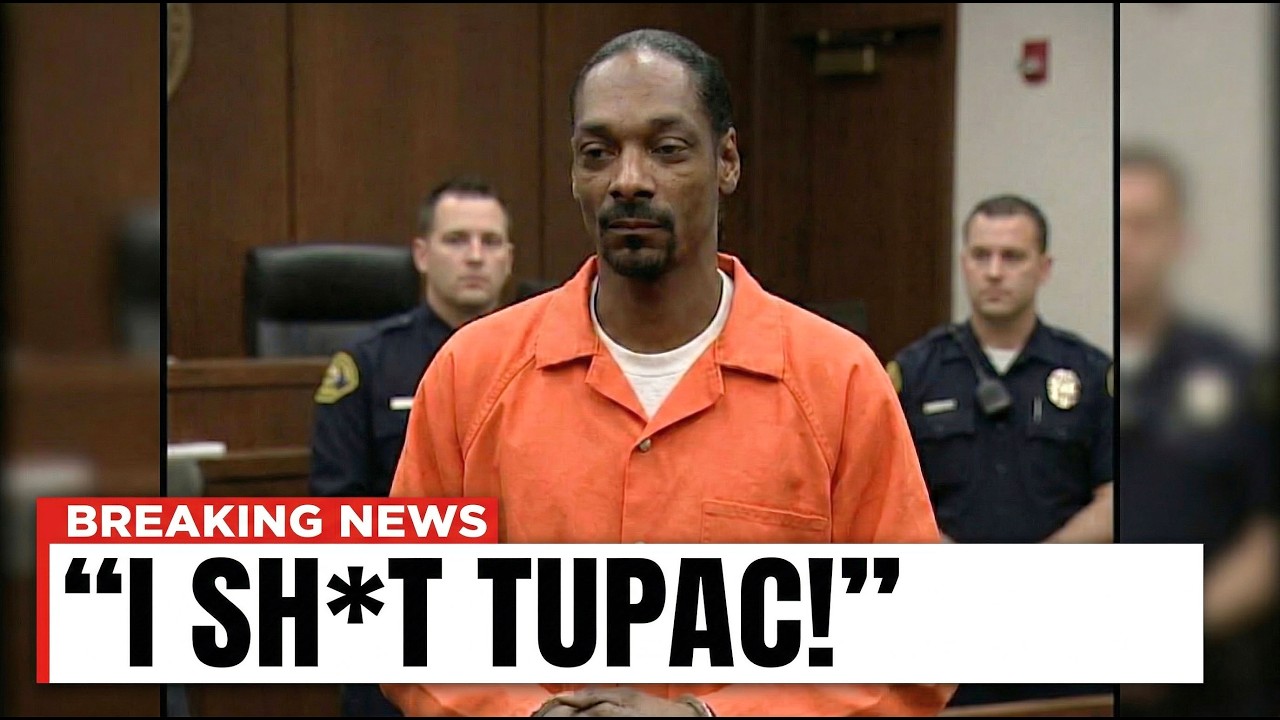
Snoop Dogg is making headlines once again as he reacts to the recent sentencing of Duane Keith Davis, the only man charged in Tupac Shakur’s murder case. The court’s decision to impose a 16…
03 May 2026
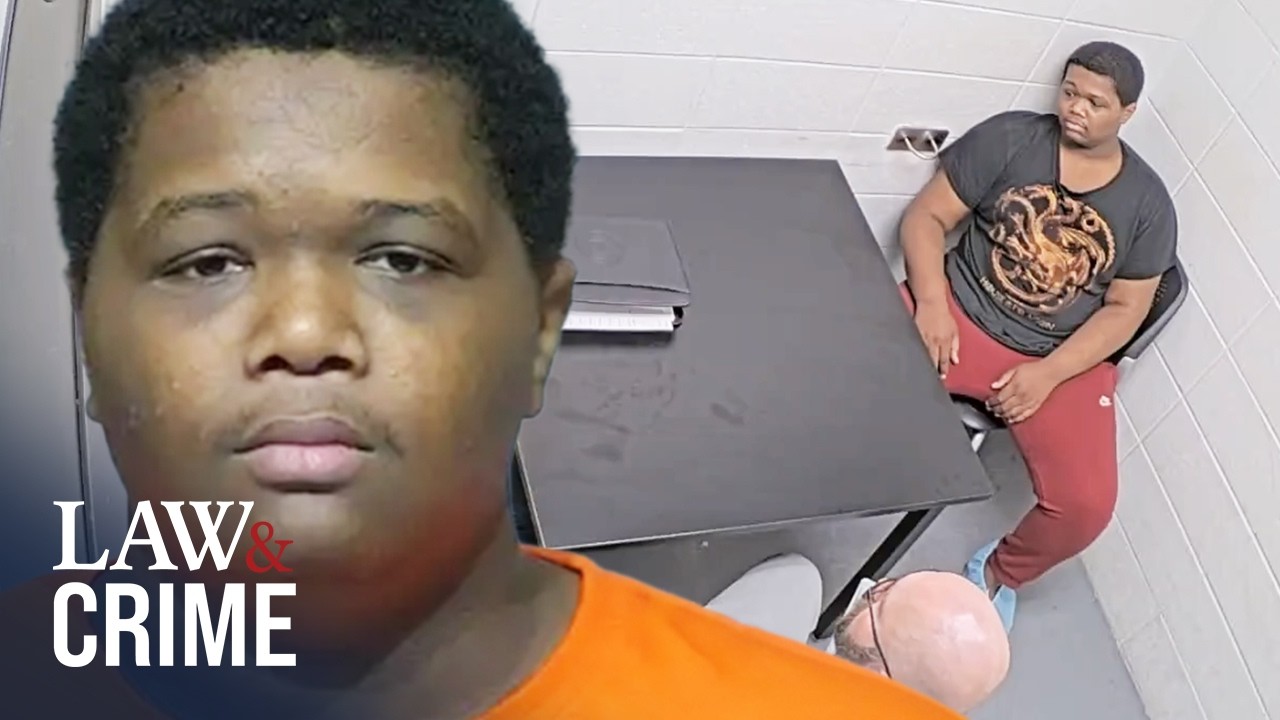
In a 𝓈𝒽𝓸𝒸𝓀𝒾𝓃𝑔 incident in Milwaukee, an 18-year-old, Cory Williams Jr., shot his father, Cory Williams Sr., more than five times in what he claims was self-defense. The shooting unfolded in front of family…

03 May 2026
In a 𝓈𝒽𝓸𝒸𝓀𝒾𝓃𝑔 twist to the ongoing case of Gudrun Linda Jean Casper Lininger Coogle, the mother accused of murdering her daughter and attempting to 𝓀𝒾𝓁𝓁 another with poisoned wine at Thanksgiving dinner is…
03 May 2026
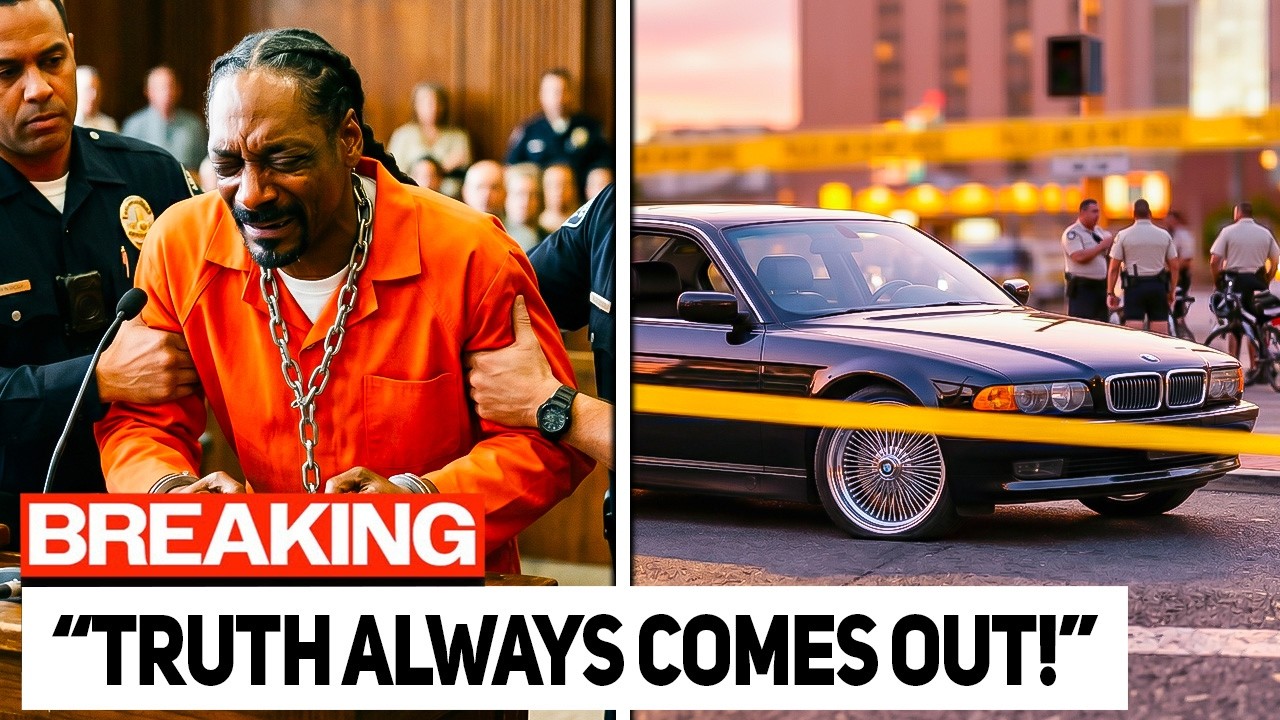
Snoop Dogg has erupted in the wake of new developments surrounding the Tupac Shakur case, which has reignited intense public interest and scrutiny. Following the sentencing of Dwayne “Keefe D” Davis, Snoop’s silence has…
03 May 2026
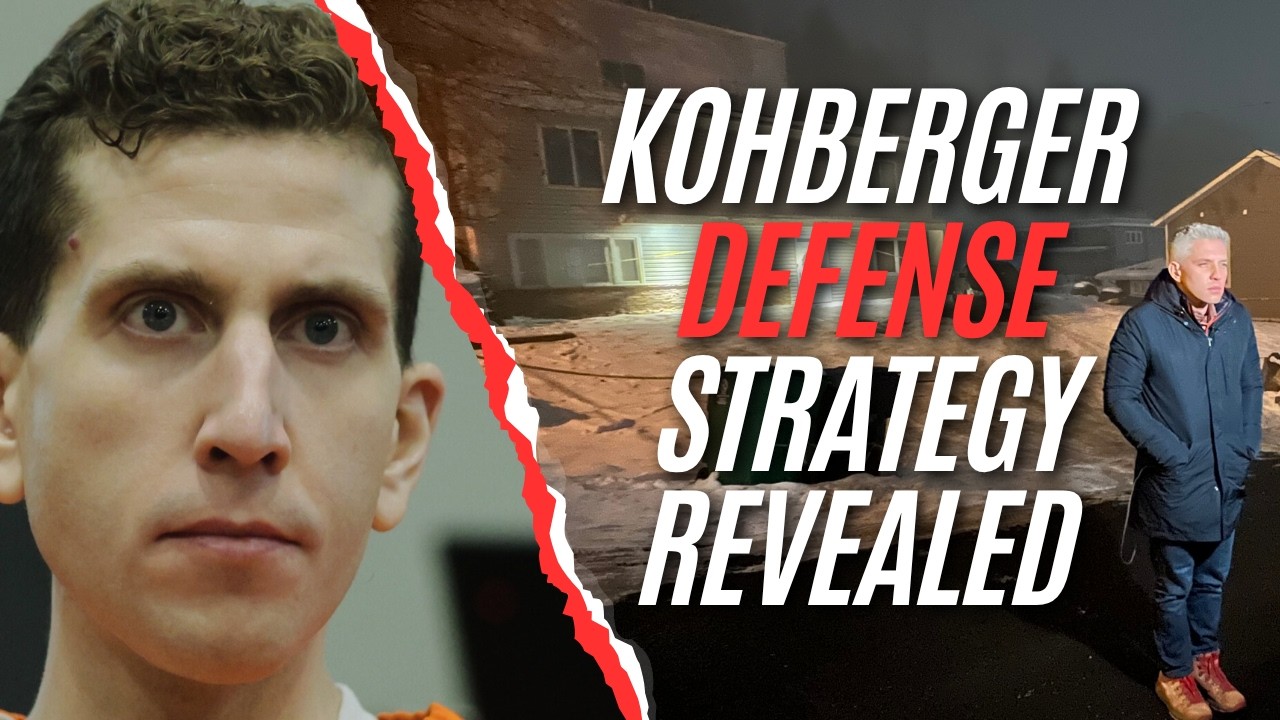
In a 𝓈𝒽𝓸𝒸𝓀𝒾𝓃𝑔 turn of events, Bryan Coberger, the man accused of the brutal murders of four University of Idaho students, has pleaded guilty to all charges, effectively sealing his fate with a life sentence without parole. This dramatic admission raises questions about his defense strategy and the evidence presented against him. Coberger’s plea comes after months of intense media scrutiny and public speculation surrounding the grisly crime that rocked the small town of Moscow, Idaho. The victims—Kaylee Goncalves, Ethan Chapin, Madison Mogen, and Xana Kernodal—were found dead in their off-campus home, prompting a nationwide outcry for justice. The case took a significant turn with the release of a new book titled “Broken Plea,” authored by Christopher Wickcom. This publication attempts to dismantle the prosecution’s case, suggesting that Coberger may not have acted alone, a claim that law enforcement has categorically denied. Wickcom’s arguments hinge on alleged flaws in the evidence, particularly concerning the infamous knife sheath linked to Coberger. Critics of Wickcom’s theory point out the overwhelming evidence against Coberger, including DNA found on the knife sheath, surveillance footage of his vehicle near the crime scene, and cell phone data placing him in the vicinity during the murders. The Moscow police have repeatedly stated that Coberger acted alone, dismissing any notions of an accomplice. Witness accounts from that harrowing night also cast doubt on Wickcom’s claims. One surviving roommate described a masked man passing by her, a chilling testimony that remains pivotal in understanding the events of that night. The emotional weight of such accounts cannot be overstated, as families continue to grapple with their loss. Adding to the complexity of the case, Wickcom’s book reveals previously unseen documents, including letters Coberger wrote to his family from jail. These letters offer a glimpse into his mindset, yet they do little to absolve him of the horrific acts he has confessed to committing. The defense’s decision to plead guilty, rather than go to trial, has sparked debates among legal experts. Some argue that Coberger’s admission was a strategic move to avoid the death penalty, while others believe it reflects the strength of the evidence against him. The prosecution’s case remains robust, with DNA and digital footprints linking Coberger directly to the crime. As the community of Moscow continues to mourn, the implications of Coberger’s plea resonate deeply. The families of the victims seek closure, yet the unanswered questions surrounding the motives and circumstances of the murders linger. The absence of a trial means that many will never know the full story behind this tragic event. In the aftermath, the focus shifts back to the victims and their families, who have endured unimaginable pain. The legal proceedings may have reached a conclusion, but the emotional scars left by this tragedy will take far longer to heal. The haunting question remains: what drove Coberger to commit such heinous acts, and will we ever truly understand the darkness that led to that fateful night?

03 May 2026
In a 𝓈𝒽𝓸𝒸𝓀𝒾𝓃𝑔 revelation that has sent ripples through the basketball community, NBA legend Vince Carter has publicly questioned LeBron James’s so-called “dominance” in the league. During a recent interview, Carter’s candid analysis 𝓮𝔁𝓹𝓸𝓼𝓮𝓭 the disparity in competition between the Eastern and Western Conferences, igniting fierce debate among fans and analysts alike. Carter’s remarks came during a retirement interview, where he began with respect for LeBron but quickly pivoted to a powerful critique. “That Eastern Conference from 2011 to 2018, that wasn’t dominance. That was an open freeway with zero traffic,” he stated, leaving the audience in stunned silence. The implications of his words were clear: LeBron’s path to the finals was far less challenging than previously believed. The basketball world erupted in response. Social media platforms lit up with fans and analysts debating Carter’s assertions. Supporters of LeBron defended him passionately, while old-school basketball purists nodded in agreement with Carter’s analysis. The divide was palpable, with each side passionately defending their views. Carter backed his claims with cold, hard facts, pointing out that during LeBron’s eight consecutive Finals appearances, the Eastern Conference was historically weak. He highlighted that only a handful of teams managed to achieve 55 wins or more, while the Western Conference was a relentless battleground filled with powerhouse teams. “The West was where championships were actually won,” he declared, contrasting it with the less competitive landscape of the East. The former player didn’t shy away from making comparisons, suggesting that if LeBron had faced the same rigorous competition in the West, his legacy might look vastly different. “Imagine LeBron’s Miami Heat battling the Memphis Grizzlies in the first round,” Carter proposed. The thought of such brutal matchups painted a vivid picture of the challenges that awaited teams in the Western Conference. Carter’s comments struck a nerve, prompting many to reconsider LeBron’s legacy. Was he truly the dominant force many believed, or did he simply navigate a less competitive path? The conversation shifted from admiration to scrutiny, forcing fans to confront uncomfortable truths about the context of LeBron’s achievements. Even current players began to express their support for Carter’s perspective, albeit cautiously. A veteran player noted anonymously, “It’s crazy that we can’t even discuss this without people losing their minds. Vince is right, and everyone in the league knows it.” Such sentiments underscored the unspoken acknowledgment of the disparity in competition that Carter highlighted. As the debate rages on, the basketball community finds itself at a crossroads. Does Carter’s critique alter how we evaluate LeBron’s legacy? Are the accolades and Finals appearances enough to secure his place in history, or do they require a deeper examination of the competition faced? In this heated atmosphere, the dialogue continues, with fans and analysts alike grappling with the implications of Carter’s words. The question remains: can we separate the greatness of a player from the context in which they achieved it? The basketball world is listening, and the answers could reshape the narrative surrounding LeBron James for years to come.
03 May 2026
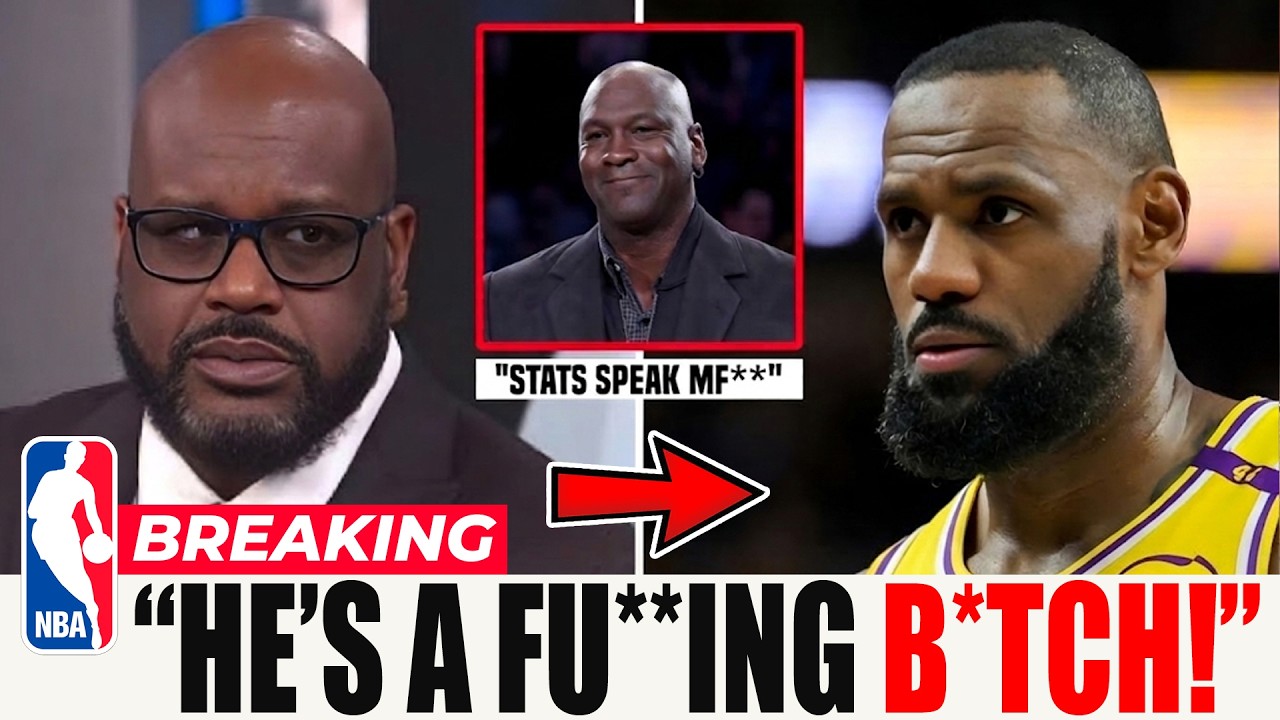
In a 𝓈𝒽𝓸𝒸𝓀𝒾𝓃𝑔 confrontation that reverberated through Madison Square Garden, Shaquille O’Neal confronted LeBron James in a tense tunnel standoff following the Lakers’ 112-100 loss to the Knicks. Shaq unleashed his fury over LeBron’s comments perceived as disrespectful to Michael Jordan, igniting a fierce debate about greatness in the NBA. The air was electric as fans and reporters alike witnessed the aftermath of an intense game that quickly morphed into a broader discussion about basketball’s evolution. Shaq, a towering figure in the sport, waited in the tunnel, blocking LeBron’s exit like a sentinel ready to settle a score that transcended the night’s final score. LeBron had recently stirred controversy during a podcast, arguing that modern injuries reflect a different kind of toughness compared to past eras. This assertion did not sit well with Shaq, who saw it as a dismissal of the brutal legacy that shaped the league he once dominated. The moment was raw, personal, and echoed the fierce competitive spirit of a bygone era. As social media buzzed with clips of the confrontation, Shaq’s words resonated deeply. He articulated a belief that true greatness is measured not just by statistics but by the psychological dominance exerted over opponents. For Shaq, Jordan’s legacy encapsulated that fear factor, something he argued LeBron has yet to achieve. The tension between the old guard and new guard was palpable. Shaq’s critique wasn’t merely about LeBron’s comments; it was a defense of a culture that revered toughness and intimidation. He argued that the league’s physicality has waned, and with it, the aura that once struck fear into the hearts of rivals. LeBron’s supporters counter with a different narrative, emphasizing his adaptability and longevity in a league that has transformed dramatically. They argue that his ability to thrive amid these changes is a testament to his greatness. Yet, Shaq’s passionate rebuttal suggests a deeper concern about how the league defines toughness today. The tunnel incident has escalated a debate that extends beyond the basketball court. It’s a cultural reckoning about how greatness is defined in an era where branding often overshadows raw competitiveness. Shaq’s confrontation serves as a stark reminder of the legacy of players who came before and the respect they commanded. As the dust settles, the implications of this clash will be felt far beyond this season. The dialogue surrounding LeBron’s legacy is now intertwined with Shaq’s powerful stance on what it means to be great in the NBA. The stakes are high, with history and perception hanging in the balance. What happens next will shape how future generations view these two icons. Will the narrative lean towards Shaq’s definition of fear and intimidation, or will it embrace LeBron’s adaptability and career longevity? The basketball world is watching closely, and the echoes of this confrontation will resonate for years to come. In the end, fans must choose a side in this evolving debate. The question of greatness is no longer just about numbers; it’s about the very essence of what it means to be a legend in the world of basketball. As the Lakers prepare for their next game, the legacy of this tunnel standoff looms large, challenging perceptions and igniting passions across the sport.