17 April 2026
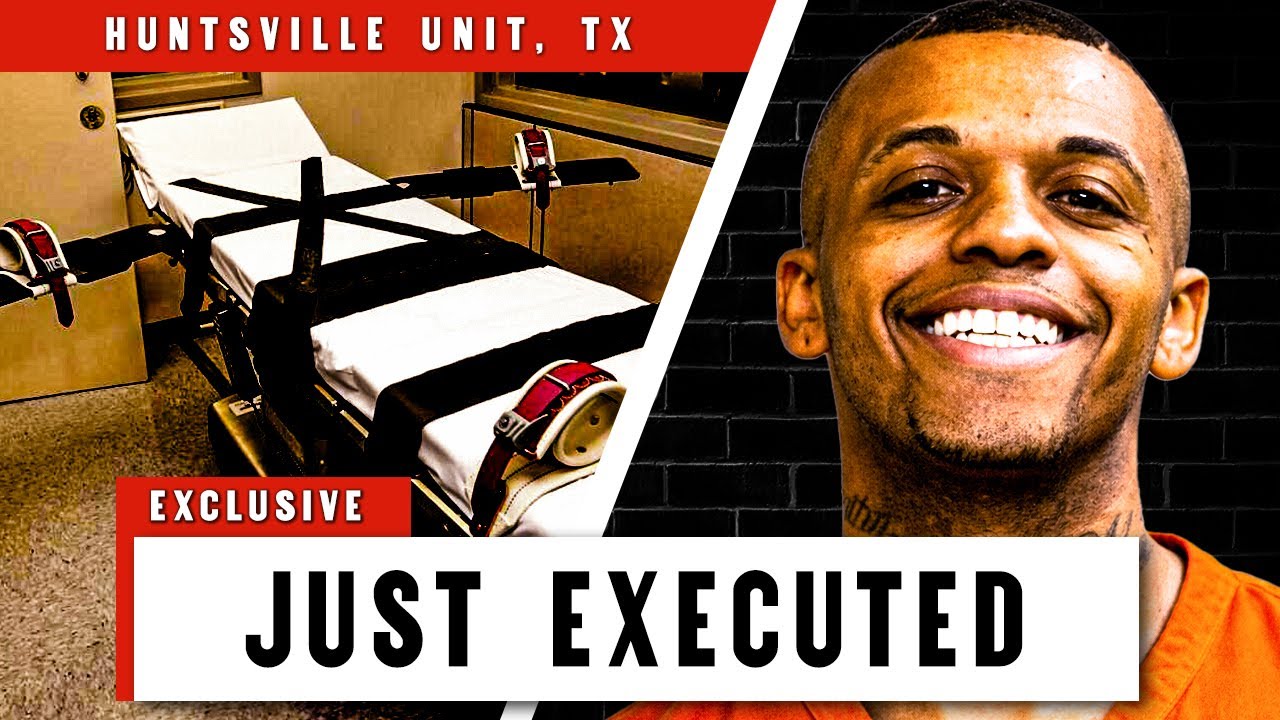
In a chilling culmination of a decade-long legal saga, Steven LoWay Nelson was executed on February 5, 2025, at the Huntsville Unit in Texas. Strapped to a gurney, he faced the lethal injection that ended his life, marking a controversial chapter in a case rife with questions about justice and systemic bias. Nelson’s execution came after 13 harrowing years on death row, following his conviction for the brutal murder of Pastor Clint Dobson during a church robbery in 2011. The crime shocked the community, transforming a sacred space into a scene of unimaginable horror. Dobson, only 28, was strangled in his office, while 69-year-old church secretary Judy Elliott was brutally assaulted, leaving her with life-altering injuries. Witnesses at the scene described the atmosphere as tense, filled with a mix of sorrow and anger. Family members of the victims attended the execution, grappling with the complex emotions surrounding justice and forgiveness. Elliott’s son was present, a testament to the deep scars left by the violence that unfolded in that church. As the clock ticked down to the execution, Nelson’s final moments were marked by a stark absence of ceremony. Texas had eliminated the tradition of last meals, a decision that underscored the somber nature of capital punishment. Instead, he consumed the standard prison fare, a mundane meal devoid of any special significance. In his last words, directed to his wife through a glass partition, Nelson expressed love and a sense of peace. “I’m ready to be at home,” he declared, a haunting statement echoing in the sterile chamber. His eyes, filled with a mix of defiance and resignation, closed as the drugs coursed through his veins, leading to a swift death. The execution has reignited fierce debates across the nation, particularly around issues of racial bias in the justice system. Nelson, a Black man, faced a legal landscape fraught with disparities, raising questions about equity and fairness in capital punishment cases. Activists gathered outside the prison, holding signs and chanting, their voices a stark reminder of the ongoing struggle against the death penalty. Public reactions were polarized. Some viewed the execution as a necessary measure of justice for the victims and their families, while others condemned it as a failure of humanity. The Dobson family issued a statement reflecting on Clint’s kindness and the tragedy of his untimely death, while also grappling with the moral implications of capital punishment. As the news spread, discussions erupted among religious communities. Some Christians advocated for mercy and forgiveness, citing biblical teachings against the death penalty. Others argued for retribution, believing that justice must be served for heinous acts like those committed against Dobson and Elliott. Nelson’s case serves as a poignant reminder of the complexities surrounding crime, punishment, and redemption. The echoes of his life and the lives he impacted linger in the hearts of those left behind, a testament to the far-reaching consequences of violence and the quest for justice in an imperfect system. As the dust settles on this chapter, the questions remain: What does justice look like in a fractured society? How do we reconcile the need for accountability with the call for compassion? The debate continues, leaving a trail of unresolved emotions and lingering doubts about the path forward.
17 April 2026
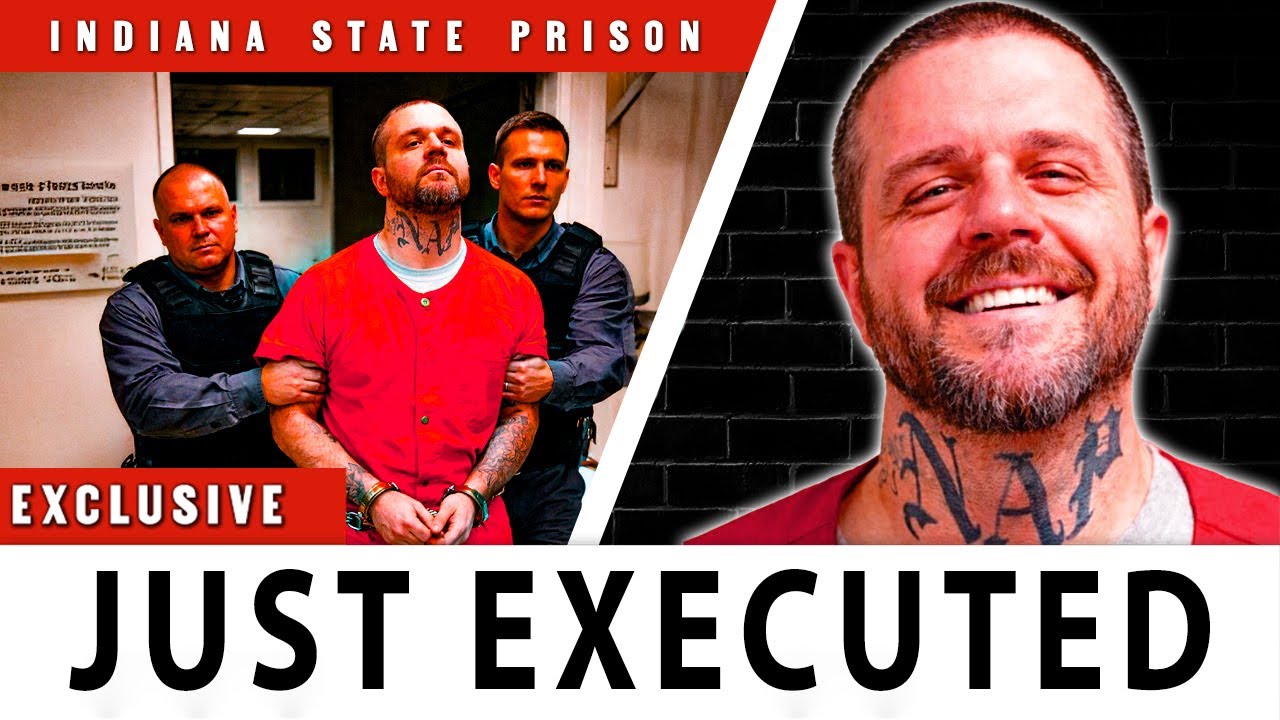
Benjamin Ritchie, a man whose life spiraled from a troubled childhood to a notorious death sentence, was executed at Indiana State Prison early this morning. After 24 years on death row, he was pronounced dead at 12:46 a.m. following a lethal injection that raised questions about the execution process and its implications. The execution marked the grim conclusion of a case that began with a stolen van and the tragic death of Officer William Ronald Tony in 2000. Ritchie fired four shots during a chaotic chase, one of which struck Tony in the chest, resulting in his immediate death. This incident ignited a firestorm of public outrage and fueled a relentless push for justice that ultimately led to Ritchie’s death sentence. Witnesses reported a disturbing scene as the execution unfolded. After the injection of pentobarbital at 12:01 a.m., Ritchie’s body reportedly jerked violently for three seconds before he succumbed. Officials attributed these movements to reflexes, but many questioned whether it was a sign of suffering, leading to calls for transparency regarding the execution’s methods and the quality of the drugs used. Ritchie’s final meal consisted of a tour of Italy from Olive Garden, featuring fettuccine Alfredo, lasagna, and chicken parmesan. In his last words, he expressed love for his family and friends, hoping they would find peace. Yet, these sentiments stood in stark contrast to the pain felt by the family of Officer Tony, whose life was cut short in an instant. The case has sparked heated debates about the fairness of the death penalty, particularly as Ritchie’s execution stood alone among numerous other cop killers in Indiana who did not face the same fate. Critics argue that public sentiment and fundraising efforts for Tony’s family may have unduly influenced the decision to seek the death penalty in this case. As the sun rose over the prison, the echoes of Ritchie’s life and the tragic events that led to his execution lingered in the air. The stark reality of a life lost and the complexities surrounding justice and accountability remain unresolved. The execution raises profound questions about the nature of punishment and the systems that govern life and death decisions. The fallout from Ritchie’s execution is likely to resonate beyond the prison walls. Legislative discussions about execution methods, including potential alternatives like firing squads, are already underway. Advocates for reform are calling for a thorough examination of the death penalty and its application, emphasizing the need for clarity and fairness in a system often clouded by emotion and tragedy. As the community grapples with the implications of this execution, the stories of both Benjamin Ritchie and Officer William Ronald Tony serve as stark reminders of the fragile balance between justice and compassion. The complexities of their narratives intertwine, leaving a lasting impact on all who bear witness to the consequences of crime, punishment, and the quest for closure.

16 April 2026
Tennessee has scheduled the execution of Christa Pike for 2026, a chilling culmination of a brutal crime that occurred over three decades ago. Pike, convicted of the first-degree murder of Colleen Slimmer at just 18, now faces the lethal injection as her legal battles continue amid public outcry and ethical debates surrounding her fate. On January 12, 1995, the University of Tennessee campus became the backdrop for a horrific crime that shocked the nation. Pike, alongside her boyfriend Daryl Ship and friend Shadella Peterson, lured 19-year-old Colleen Slimmer to a secluded park under the pretense of smoking marijuana. What followed was a gruesome act of violence that lasted nearly an hour, leaving Slimmer brutally mutilated and her body discarded like trash. Witnesses and court records reveal the horrifying details of the attack. Pike wielded a box cutter, slashing Slimmer’s throat and carving a pentagram into her chest, all while her victim begged for mercy. The brutality, marked by over 300 wounds, raises unsettling questions about the nature of human cruelty and the psychological factors that drive such heinous acts. In 1996, Pike was convicted and sentenced to death, becoming the youngest woman on death row in the United States. Meanwhile, her accomplices received vastly different sentences; Ship, still a minor, was given life with the possibility of parole, while Peterson, who testified against Pike, walked free. This disparity in sentencing has fueled ongoing debates about justice and accountability. As the date of her execution approaches, Pike’s legal team is mounting a final effort to halt the process, arguing that her youth and traumatic past should mitigate her sentence. They cite her history of 𝓪𝓫𝓾𝓼𝓮 and mental health issues, hoping to sway public opinion and the courts. Yet, many remain unconvinced, viewing her actions as premeditated and devoid of remorse. Public sentiment is sharply divided. Some demand justice for Slimmer’s family, insisting that Pike deserves the ultimate punishment for her calculated brutality. Others advocate for mercy, suggesting that Pike’s troubled upbringing and mental health struggles should warrant a reconsideration of her fate. This clash of perspectives reveals deep-seated tensions surrounding the death penalty and its moral implications. In recent letters, Pike has expressed regret for her actions, framing them as the impulsive mistakes of a troubled youth. However, critics argue that her past does not excuse the calculated cruelty she displayed that night. The question remains: can a lifetime of trauma justify an act of such unthinkable violence? As the execution date looms, Tennessee finds itself at a crossroads, grappling with the complexities of justice, mercy, and the human capacity for violence. The case of Christa Pike is not just about one woman’s fate; it serves as a grim reminder of the consequences of unchecked rage and the moral dilemmas that society faces in the pursuit of justice.
16 April 2026
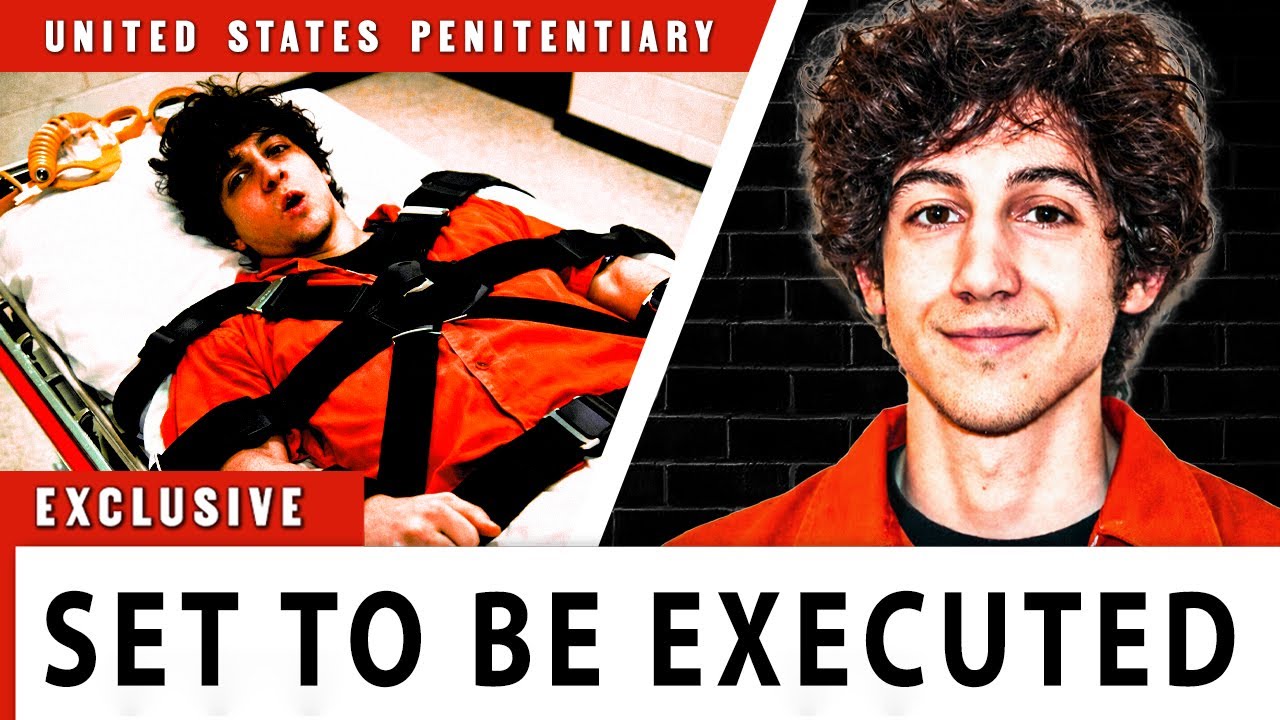
In a 𝓈𝒽𝓸𝒸𝓀𝒾𝓃𝑔 turn of events, Dzhokhar Tsarnaev, the surviving Boston Marathon bomber, faces imminent execution after years on death row, marked by a chilling lack of remorse. As the nation grapples with the aftermath of his heinous actions, questions linger about his motivations and the radicalization that led to the 2013 attack, which left three dead and hundreds injured. On April 15, 2013, Boston’s vibrant marathon atmosphere was shattered in seconds as two pressure cooker bombs exploded near the finish line. The chaos was palpable; screams echoed through the streets as innocent spectators, including children, were 𝒄𝒂𝓊𝓰𝒉𝓉 in the crossfire. Crystal Campbell, 29, and 8-year-old Martin Richard were among the victims, their lives extinguished in a moment of terror. The Tsarnaev brothers, Tamerlan and Dzhokhar, blended seamlessly into the crowd that day, their backpacks concealing deadly devices. As the first explosion ripped through the air, shrapnel tore into flesh, leaving a scene of horror that would haunt the city for years. Just 12 seconds later, the second bomb detonated, amplifying the carnage and panic. In the days that followed, Dzhokhar, just 19 at the time, returned to a seemingly normal life, attending classes and socializing with friends, all while the city mourned its dead. The stark contrast between his carefree demeanor and the chaos he had wrought raised unsettling questions about his mental state and the influence of his older brother, Tamerlan, who had reportedly radicalized him. The manhunt for the brothers culminated in a violent confrontation with law enforcement in Watertown, where Tamerlan was killed, and Dzhokhar fled, ultimately hiding in a boat. His capture marked the beginning of a lengthy legal battle, as he was charged with multiple counts, including the use of a weapon of mass destruction. In 2015, Dzhokhar was sentenced to death, but his appeals have continued to prolong the process. Despite a brief expression of remorse during his sentencing, many victims’ families dismissed his apology as insincere. The case has sparked intense debates about justice, punishment, and the complex dynamics of radicalization. As Dzhokhar awaits execution at the Supermax ADX Florence, the question remains: was he a willing participant in his brother’s schemes or a manipulated pawn? The echoes of that fateful day still resonate in Boston, a city forever marked by the scars of violence and the search for answers in the face of tragedy. The story of the Tsarnaev brothers serves as a chilling reminder of how the seeds of radicalization can sprout in the most unsuspecting places, turning dreams of a new life into a nightmare for countless families. As the nation reflects on the Boston Marathon bombing, the call for vigilance against homegrown terrorism has never been more urgent.
16 April 2026
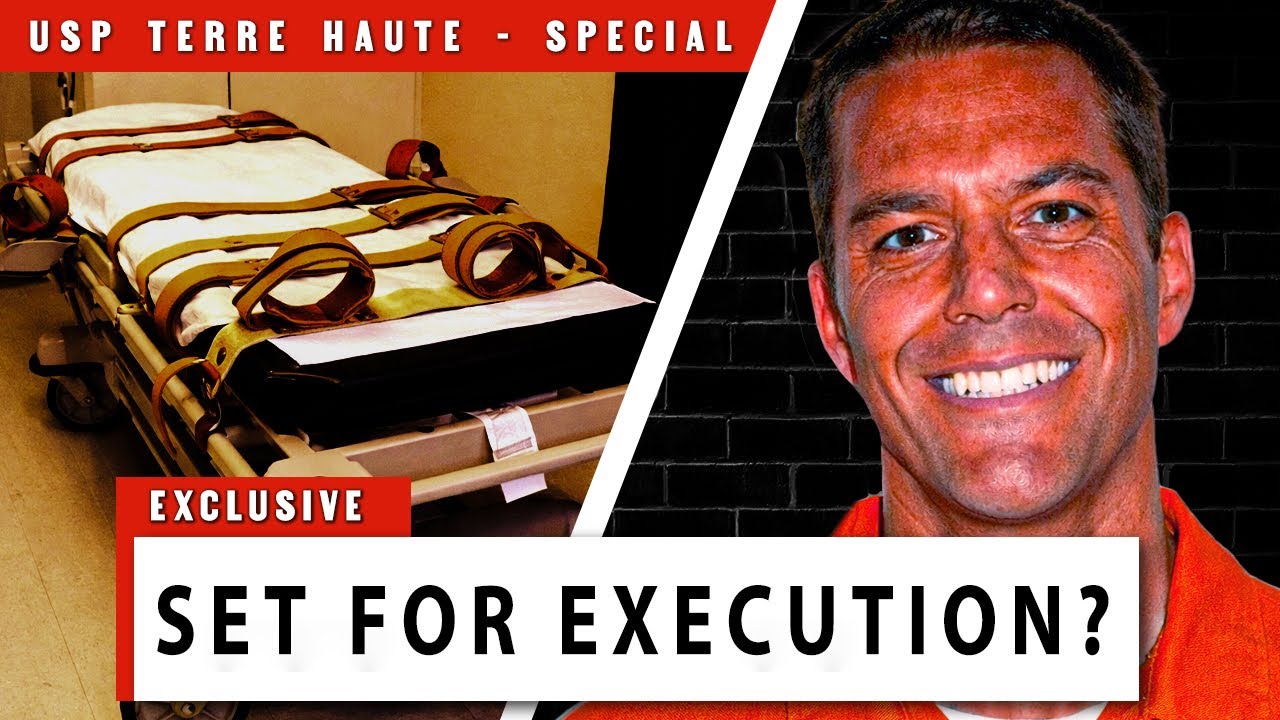
Scott Peterson, once the face of a tragic murder case, is now facing his final days behind bars. As he lingers in Mule Creek State Prison, awaiting execution, the haunting memories of his past continue to echo. The chilling story of his pregnant wife, Laci, and their unborn son, Connor, remains a national tragedy. On January 16, 2026, Peterson’s fate hangs in the balance, with the shadows of his life sentence looming large. The case, which gripped the nation in the early 2000s, revealed a seemingly perfect husband who turned into a murderer. On Christmas Eve 2002, Laci disappeared, and her body, along with that of their unborn child, was discovered months later in San Francisco Bay, igniting a media frenzy and public outrage. Peterson’s story began in San Diego, where he was born into privilege and raised to believe he could have it all. He graduated with a degree in agricultural business and settled into a stable life selling fertilizer. However, beneath the surface, cracks were forming. His 𝒶𝒻𝒻𝒶𝒾𝓇 with Amber Frey began in November 2002, just weeks before Laci’s disappearance, and marked the beginning of his unraveling. On that fateful Christmas Eve, while Laci awaited her husband’s return, Peterson claimed he was out fishing. Hours passed, and when he returned home, Laci was nowhere to be found. As searches intensified, Peterson appeared calm, even detached, raising suspicions among investigators and the public alike. The investigation escalated quickly. Volunteers searched parks and waterways, while media trucks camped outside the Peterson home. As the weeks dragged on, the discovery of Laci and Connor’s bodies sent shockwaves through the community. The autopsies revealed grim details, confirming that Connor had been born alive, and Laci’s death was suspiciously tied to the very waters Peterson claimed to be fishing in. As evidence stacked against him, Peterson’s behavior became increasingly erratic. He sold Laci’s belongings and attempted to flee, raising further suspicions. Police arrested him in April 2003, and the trial that followed revealed a chilling portrait of a man willing to sacrifice everything for freedom from his responsibilities. In November 2004, Peterson was found guilty of first-degree murder for Laci and second-degree murder for Connor. The jury recommended the death penalty, and he was sentenced to death by lethal injection. However, in 2020, the California Supreme Court overturned his sentence due to jury selection errors, leading to a resentencing of life without parole in 2021. Now, as Peterson navigates life in Mule Creek State Prison, the echoes of his past haunt him. The case has left an indelible mark on the American psyche, sparking debates over justice, morality, and the consequences of hidden affairs. Peterson’s life behind bars is a stark reminder of the tragic unraveling of a family, where the facade of perfection crumbled into horror. The bay where Laci and Connor were found remains a silent witness to the tragedy, while the legal battles surrounding Peterson’s case continue to unfold. As appeals linger and the public remains divided, the story serves as a cautionary tale about the darkness that can lurk beneath the surface of even the most picture-perfect lives.

16 April 2026
Timothy McVeigh, the architect of the Oklahoma City bombing that claimed 168 lives, met his fate in Terre Haute, Indiana, on June 11, 2001. Executed by lethal injection, McVeigh left behind no last meal but a handwritten copy of the poem “Invictus,” asserting his defiance until the end. The morning of the execution was marked by a somber atmosphere, as witnesses gathered behind glass to witness the conclusion of a case that shook the nation. McVeigh’s actions on April 19, 1995, remain etched in history, a chilling reminder of domestic terror’s capacity for destruction. The bombing, executed with a 7,000-pound truck bomb, obliterated the Alfred P. Murrah Federal Building in Oklahoma City. The blast, felt miles away, left a crater 30 feet wide and a scene of devastation that included 19 children in a daycare center. As the dust settled, the horror of that day became evident. Office workers, visitors, and innocent children were among the 168 victims, their lives extinguished in a matter of seconds. McVeigh’s motives, rooted in a twisted ideology fueled by events like the Waco siege, painted him as a man driven by revenge against what he perceived as government tyranny. In the years leading to the bombing, McVeigh meticulously planned the attack with accomplice Terry Nichols. They stockpiled explosives, rented a Ryder truck, and executed their plan with chilling precision. McVeigh’s calm demeanor as he drove away from the scene, earplugs in place, left investigators baffled. The manhunt that followed was swift. Just 90 minutes after the blast, McVeigh was pulled over for a traffic violation. His arrest marked the beginning of a legal battle that would expose the depths of his radicalization and the chilling details of the bombing’s execution. During his trial, McVeigh’s defense attempted to portray him as a victim of government overreach, but the evidence was overwhelming. The courtroom became a theater of grief, with survivors recounting their harrowing experiences. Ultimately, a jury found him guilty on multiple counts, sentencing him to death. In the years that followed, McVeigh remained steadfast in his beliefs, refusing to express remorse. His execution drew national attention, reigniting debates over the death penalty and the nature of justice in America. As McVeigh’s life came to a close, the legacy of his actions continued to haunt the nation. The Oklahoma City bombing not only 𝓮𝔁𝓹𝓸𝓼𝓮𝓭 vulnerabilities in domestic security but also ignited a conversation about the roots of radicalization and the fine line between protest and violence. In the end, McVeigh’s final act—a poem about mastery over fate—echoed the delusions that drove him to commit unspeakable atrocities. His ashes, scattered in secret, serve as a reminder of a dark chapter in American history, leaving unanswered questions about the nature of evil and the consequences of unchecked rage.

16 April 2026
As the NBA season unfolds, discussions around team structure and leadership dynamics have become increasingly relevant, particularly for the Los Angeles Lakers. With roster adjustments and evolving player roles, the organization continues to navigate…

16 April 2026
As the NBA season progresses, attention around LeBron James has increasingly shifted toward the broader framework of player movement, contract structures, and long-term roster planning. Rather than focusing solely on wins and losses, league…

16 April 2026
LeBron James is entering the 2026 NBA playoffs at age 41, continuing one of the most remarkable careers in league history. As the Los Angeles Lakers prepare to face the Houston Rockets in the…

16 April 2026
LeBron James is entering the 2026 NBA playoffs at age 41, continuing one of the most remarkable careers in league history. As the Los Angeles Lakers prepare to face the Houston Rockets in the…