01 April 2026
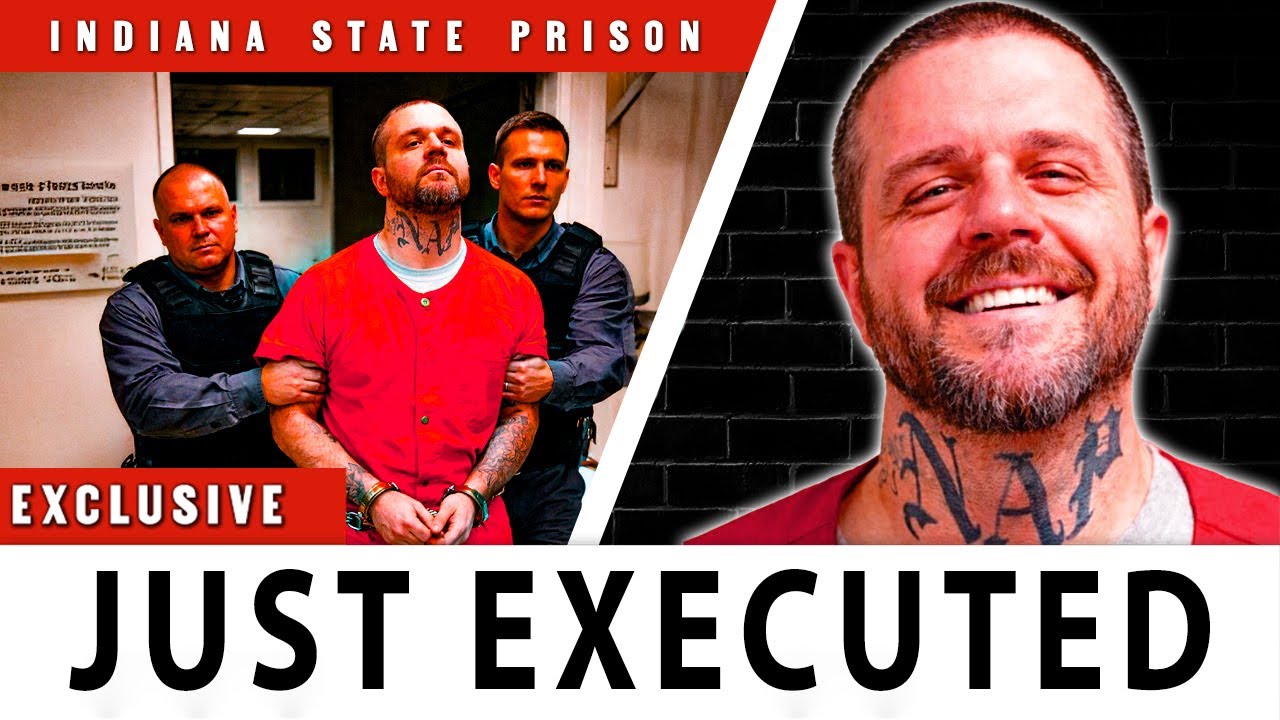
In a dramatic conclusion to a lengthy saga, Benjamin Ritchie was executed early this morning at Indiana State Prison. After spending over two decades on death row for the murder of Officer William Ronald Tony, Ritchie faced the lethal injection at 12:01 a.m., pronounced dead just 45 minutes later. The execution marks the end of a case that began on September 29, 2000, when Ritchie, then 20, stole a van and fatally shot Officer Tony during a police chase. The incident, which unfolded in mere seconds, left the officer dead and sparked public outrage that fueled Ritchie’s swift trial and subsequent death sentence. Witnesses described a harrowing scene as Ritchie was administered the lethal injection. Reports indicated violent jerks and convulsions, raising questions about the execution process itself. Experts have criticized the quality of the drugs used, suggesting they may have caused undue suffering. Ritchie’s final meal included a tour of Italy from Olive Garden, featuring fettuccine Alfredo, lasagna, and chicken parmesan. In his last words, he expressed love for his family and friends, hoping they would find peace. Those sentiments, however, are overshadowed by the pain left behind for Officer Tony’s loved ones. The execution has reignited debates about the death penalty in Indiana, particularly its application in Ritchie’s case. Over the years, 29 Indiana police officers have been killed in the line of duty, yet none of their killers received the death penalty, raising questions of fairness and consistency in sentencing. Ritchie’s journey from a troubled childhood to death row is a complex narrative filled with tragedy. Abandoned as a child and diagnosed with mental health issues, he struggled throughout his life. The circumstances surrounding his crime and subsequent punishment have led many to question whether justice was truly served. As the state grapples with the implications of this execution, discussions about the future of the death penalty are likely to intensify. With calls for transparency in the execution process and the need for a more equitable justice system, Ritchie’s case serves as a stark reminder of the consequences of crime and punishment. The aftermath of this execution will undoubtedly echo through Indiana’s legal landscape, prompting lawmakers to reconsider the methods and ethics surrounding capital punishment. As the dust settles, the complex interplay of justice, morality, and human rights remains at the forefront of public discourse. In the end, Benjamin Ritchie’s execution is not merely a conclusion to one man’s life but a reflection of a flawed system grappling with its own moral dilemmas. The questions raised by his case will linger, urging society to confront the difficult truths hidden within the shadows of justice.

01 April 2026
Scott Peterson, once the face of a tragic tale that captivated America, faced the end of his long legal battle on January 16, 2026, at Mule Creek State Prison. After years of appeals and legal twists, the convicted murderer of his pregnant wife, Laci, and their unborn son, Connor, remains a figure shrouded in controversy and heartbreak. On a day that echoed the shadows of his past, Peterson’s final moments in prison were marked by an unsettling calm. He lingered in his cell, the weight of his life sentence heavy upon him. The sun cast long shadows as guards delivered his last meal—an unremarkable selection, a stark contrast to the life he once led, filled with dreams and deception. Peterson’s story began in 2002, when he appeared to be the ideal husband, but beneath the surface lay a web of lies. His 𝒶𝒻𝒻𝒶𝒾𝓇 with Amber Frey, coupled with mounting debts, painted a portrait of a man unraveling. The chilling events of Christmas Eve, when Laci vanished, turned the idyllic town of Modesto into a crime scene that would haunt the nation. As the search for Laci intensified, Peterson’s demeanor raised eyebrows. While volunteers scoured the landscape, he maintained an unsettling calm, even attending vigils with an air of detachment. Questions swirled around his alibi and actions, leading investigators to scrutinize his every move. The discovery of Laci and Connor’s bodies in the San Francisco Bay marked a grim turning point. The sight of their remains, decomposed and lifeless, shocked the nation and solidified Peterson’s status as a prime suspect. The tragic narrative unfolded in court, revealing the depths of betrayal and the lengths to which he went to cover his tracks. In 2004, Peterson was sentenced to death, a verdict that sent ripples through the justice system. Yet, years of appeals followed, with claims of legal errors and new evidence surfacing, including discussions around DNA that could potentially alter the course of his fate. But the years passed, and Peterson remained behind bars, his life reduced to a series of legal battles. As January 2026 dawned, the specter of a new DNA motion loomed, but the clock had run out for Peterson. The silence of the prison walls echoed his long-held secrets, and the unresolved questions surrounding his case continued to haunt those who followed the tragic story. The case of Scott Peterson serves as a chilling reminder of the fragility of life and the hidden darkness that can lie beneath a seemingly perfect exterior. As he faces the consequences of his actions, the legacy of Laci and Connor lives on, a poignant reminder of the lives lost to betrayal and deceit. The bay, once a site of horror, now stands as a silent witness to the unfolding 𝒹𝓇𝒶𝓂𝒶 of justice and tragedy.

01 April 2026
In a chilling conclusion to a dark chapter in American history, Timothy McVeigh was executed on June 11, 2001, at 7:14 a.m. in Terre Haute, Indiana. This marked the first federal execution in nearly four decades. Instead of a last meal, McVeigh left behind a handwritten poem, “Invictus,” reflecting his defiance. The execution came six years after McVeigh orchestrated the Oklahoma City bombing, a heinous act that claimed 168 lives, including 19 children. The devastating explosion, caused by a truck loaded with 7,000 pounds of explosives, shattered the Alfred P. Murrah Federal Building, leaving a crater 30 feet wide. The aftermath was a scene of chaos, with rescue workers sifting through the rubble for survivors. On that fateful morning of April 19, 1995, McVeigh parked the yellow Ryder truck outside the daycare center, a deliberate act that underscored his twisted ideology. He believed he was fighting against a tyrannical government, fueled by events like the Waco siege and Ruby Ridge. His actions sparked a national conversation about domestic terrorism and the radicalization of individuals. McVeigh’s journey to this point was marked by a growing resentment towards federal authority. After serving in the Gulf War, he became increasingly isolated, immersing himself in anti-government rhetoric. The friendships he formed with fellow veterans only deepened his convictions, leading to the tragic events of April 1995. As McVeigh lay on the gurney, witnesses included survivors and family members of the victims, all grappling with the weight of his actions. His final words, penned in “Invictus,” echoed a chilling sense of control over his fate, even as he faced the consequences of his violent ideology. The execution itself was swift, a stark contrast to the suffering he inflicted years earlier. The fallout from the bombing and McVeigh’s subsequent trial raised questions about the effectiveness of law enforcement and the government’s role in preventing such acts of terror. Critics pointed to failures in intelligence and communication, fueling debates that continue to this day. In the wake of his execution, discussions surrounding the death penalty reignited, particularly regarding its application in cases of domestic terrorism. The public’s response was mixed, reflecting deep divides over justice, punishment, and the complexities of radicalization. McVeigh’s legacy is one of tragedy and horror, serving as a grim reminder of the potential for violence rooted in ideology. His actions have inspired a new generation of extremists, prompting law enforcement to reevaluate strategies for countering domestic terrorism. As the ashes of Timothy McVeigh were scattered in secrecy, the nation was left to ponder the lessons learned from the Oklahoma City bombing. The scars of that day remain, a stark reminder of the fragility of safety in public spaces and the ongoing struggle against radical ideologies.
01 April 2026
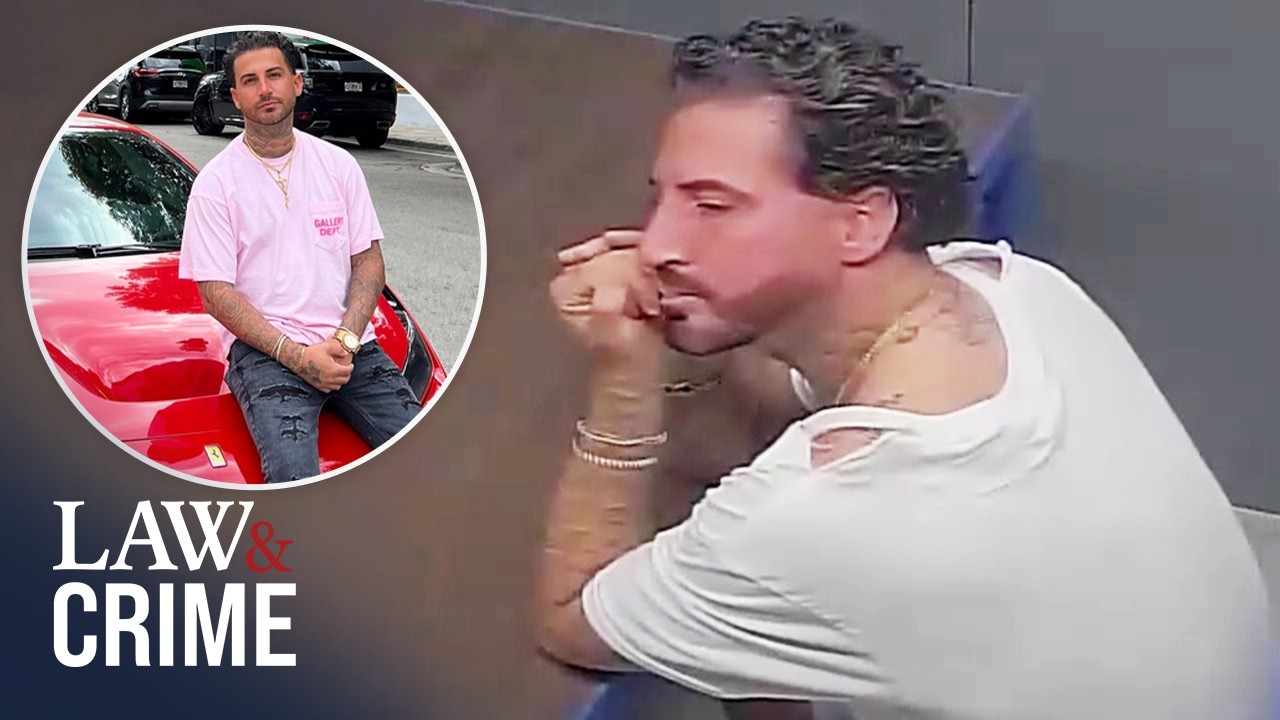
A Miami celebrity hairstylist, Ryan Pearl, is under intense scrutiny following his arrest for allegedly soliciting 𝒔𝒆𝒙𝒖𝒂𝒍 acts from a 15-year-old girl. The 𝓈𝒽𝓸𝒸𝓀𝒾𝓃𝑔 case has garnered significant media attention, particularly after a recently…

01 April 2026
In a 𝓈𝒽𝓸𝒸𝓀𝒾𝓃𝑔 turn of events, a critical mistake by the kidnapper has been uncovered, potentially altering the course of the investigation into the disappearance of Nancy Guthrie. SWAT Commander revealed that an overlooked…

01 April 2026
Bow Wow electrified the stage at the Boys 4 Life concert in Brooklyn, bringing out surprise guest Lil Mama to an ecstatic crowd. The duo’s unexpected collaboration sent fans into a frenzy, proving that…
01 April 2026
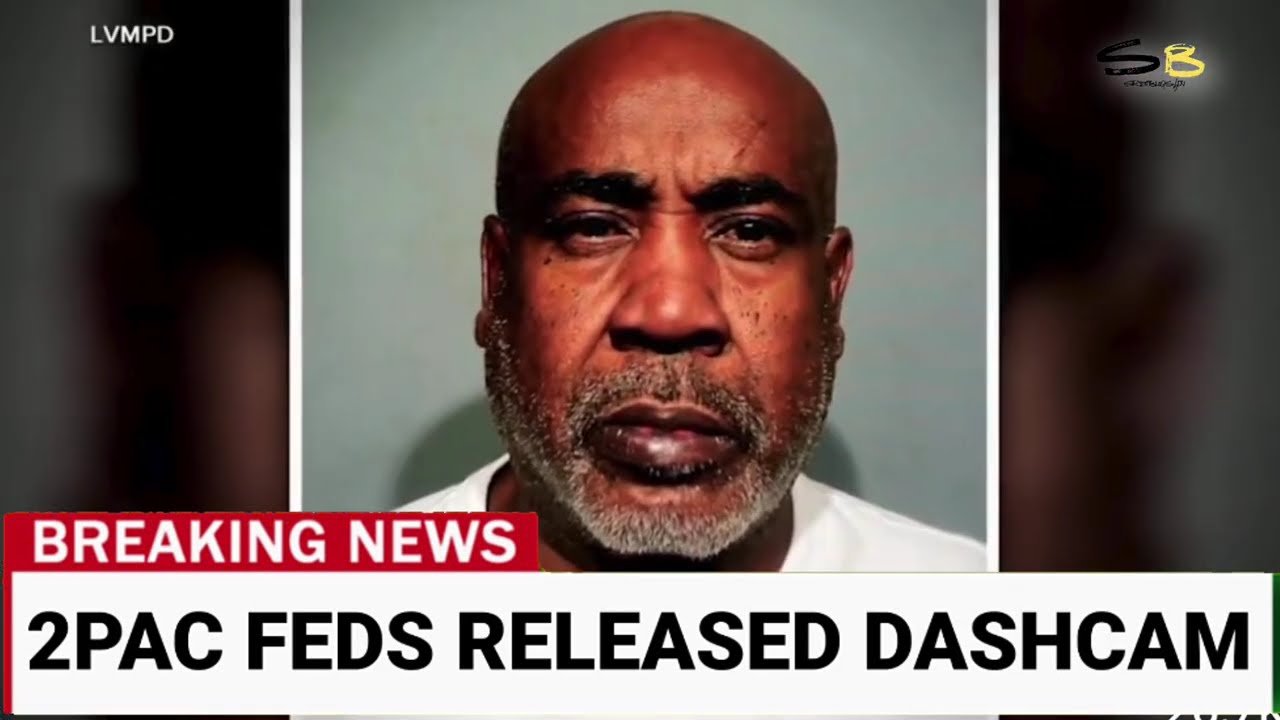
Snoop Dogg has been arrested by federal authorities amidst an explosive investigation linking prominent hip hop figures to a sprawling criminal case involving witness tampering, 𝓵𝓮𝓪𝓴𝓮𝓭 evidence, and years of hidden violence. As the…
01 April 2026
Snoop Dogg has been arrested by federal authorities, with 𝓈𝒽𝓸𝒸𝓀𝒾𝓃𝑔 revelations surfacing about his alleged involvement in the Tupac Shakur murder case. The arrest follows a series of explosive claims linking high-profile figures in…

01 April 2026
Houston’s iconic jeweler Johnny Dang faces explosive accusations from top rappers alleging he sold 𝒻𝒶𝓀𝑒 diamonds disguised as premium natural gems, sparking a wildfire of distrust across hip-hop culture. Former insiders and Day Ones…

01 April 2026
In a 𝓈𝒽𝓸𝒸𝓀𝒾𝓃𝑔 turn of events, four alleged members of the Dallas Crips have been apprehended with multiple firearms in a neighborhood linked to rapper Boosie Badazz. This development comes in the wake of…